


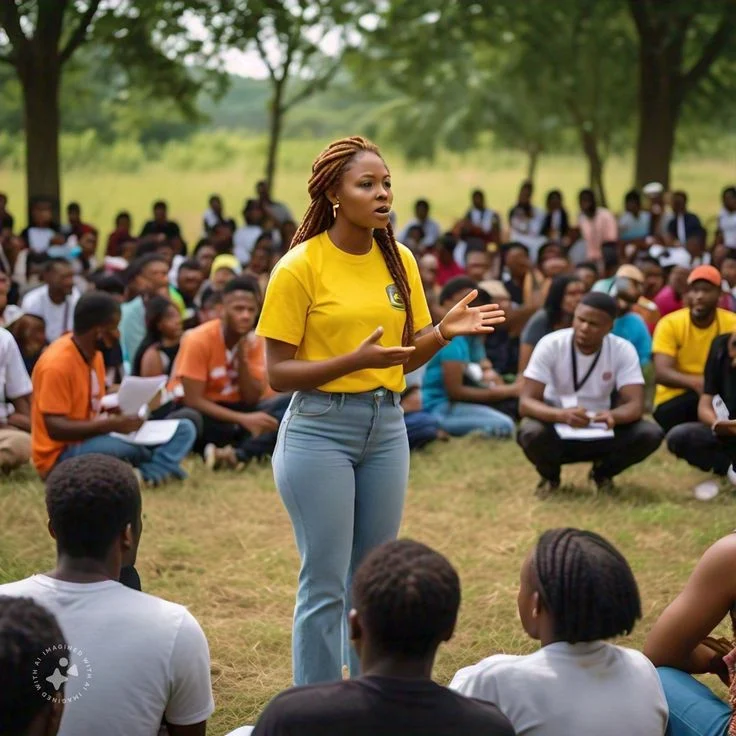
Youth perspectives in social research are no longer optional they are a critical component of evidence-based decision-making. With over 1.2 billion young people worldwide, their inclusion in policy design, development programming, and evaluation frameworks is essential for building sustainable and equitable solutions.
Across sectors such as education, health, employment, climate action, and digital governance, young people encounter challenges differently compared to adults. Yet too often, research and policy frameworks are designed about them rather than with them. This exclusion limits innovation reduces program relevance and ultimately weakens impact.
At Insight and Social, we are committed to reshaping research methodologies by integrating young people not only as respondents but as co-researchers, evaluators, and solution architects.
1. Youth Offer Real-Time Insights into Rapid Social Change
Young people are primary drivers of cultural, digital, and behavioral trends. From technological adoption to civic engagement patterns, their responses reflect where society is headed not just where it has been. Incorporating youth perspectives in social research enables organizations to anticipate future shifts rather than react to outdated data.
2. Youth Inclusion Strengthens Policy Relevance and Longevity
Policies developed without youth participation risk becoming obsolete within a few years. Whether drafting national education strategies in Ghana, digital inclusion policies in India, or climate resilience plans in Kenya, governments and NGOs must engage the demographic that will live longest with the outcomes. Youth-informed research ensures policies remain future-proof.
3. Youth Participation Improves Trust and Data Quality
Research fatigue and distrust toward institutions are common challenges. However, studies show that young respondents are more open and honest when research is youth-led or youth-friendly. By using peer facilitators, relatable language, and digital tools commonly used by younger demographics, data becomes richer, more accurate, and more actionable.
4. Young Voices Uncover Hidden Realities Adults Often Overlook
Certain experiences such as online harassment, mental health stigma, or informal digital economies are often underreported in adult-centered research. Youth bring nuanced perspectives on cyber safety, identity, and livelihood shifts that are otherwise missed in conventional data collection frameworks.
5. Programs Designed with Youth Input Achieve Higher Impact
Research conducted across Africa and Asia shows that programs co-created with young people have higher participation, retention, and advocacy outcomes. When youth feel ownership over solutions, they become ambassadors not just beneficiaries.
6. Youth Participation Drives Creativity and Innovation in Methodology
Young researchers are more likely to introduce digital storytelling, gamified surveys, interactive focus groups, and social media-based polling. These tools not only increase engagement but also reduce data collection costs and timelines, especially in remote or conflict-prone settings.
7. Global Development Frameworks Now Mandate Youth Inclusion
Institutions such as UNICEF, UNDP, OECD, and the World Bank now emphasize the necessity of integrating youth voices in research and evaluation. Youth-inclusive Monitoring and Evaluation (M&E) is no longer considered progressive it is a baseline requirement for responsible research practice.
How Insight and Social Integrates Youth into Research Processes

At Insight and Social, we operatively operate youth engagement using structured, ethical, and scalable methodologies, including:
1. Peer-Led Data Collection
Trained youth researchers conduct interviews and community dialogues for authenticity and cultural relevance.
2. Hybrid Data Collection Models
Combining mobile-based surveys, WhatsApp interviews, and traditional questionnaires to increase accessibility.
3. Youth Advisory Panels
Young people participate in research tool development, sampling strategies, and interpretation of findings.
4. Capacity Building for Youth Evaluators
We invest in training young people in quantitative and qualitative research methods, enabling long-term leadership in the development sector.
Youth perspectives in social research are not an added benefit they are a foundational requirement for credible, inclusive, and future-ready development strategies.
At Insight and Social, we help development partners, NGOs, and government institutions design research frameworks that Centre youth voices ethically and effectively from data collection to policy translation.
Ready to ensure your next project reflects the realities of tomorrow’s leaders?
Partner with Insight and Social to embed youth-driven insights into your research and evaluation systems.