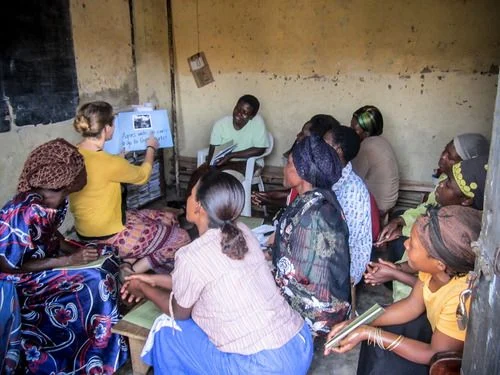


Gendered Impact of Economic Hardship
The gendered impact of economic hardship has become one of the most defining yet least visible consequences of today’s global economic crises. From inflation and currency devaluation to climate shocks and conflict-driven instability, economic stress is not gender-neutral. Across Africa and the world, women are absorbing the heaviest blows often silently.
As household incomes shrink and public systems weaken, women increasingly function as shock absorbers, stretching limited resources, filling care gaps, and sustaining families through unpaid and underpaid labor. This invisible burden is deepening gender inequality at a pace that threatens decades of progress.
Women as Shock Absorbers in Times of Economic Crisis
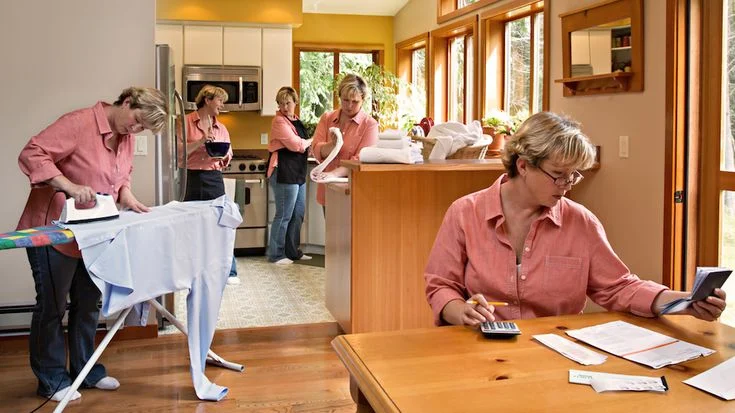
When economies falter, households do not collapse evenly. They bend usually on the backs of women.
Across Africa’s urban settlements and rural communities, women are the first to adjust consumption, reduce personal spending, and increase labor often without compensation. This coping role is a central feature of the gendered impact of economic hardship, yet it remains largely unmeasured in traditional economic indicators.
Women:
- Eat last and least when food prices rise
- Take on additional informal work to stabilize household income
- Compensate for failing public services through unpaid care
In effect, women subsidize economic crises with their time, health, and future opportunities.
The Explosion of Unpaid Care Work
One of the clearest manifestations of the gendered impact of economic hardship is the surge in unpaid care work.
Economic crises often lead to:
- Cuts in healthcare and education services
- Reduced access to childcare and eldercare
- Higher illness rates linked to poverty and stress
These gaps are overwhelmingly filled by women and girls.
Across Africa, women already perform three to five times more unpaid care work than men. During economic downturns, this workload expands forcing many women to exit paid employment, reduce working hours, or accept more precarious jobs.
Unpaid care becomes the hidden tax women pay for economic survival.
Informal Economies, Formal Neglect
The informal economy is both a lifeline and a trap for women.
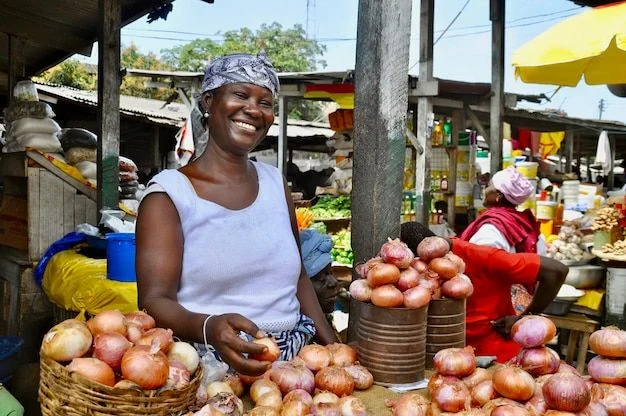
Over 60% of working women in Africa are employed informally without job security, social protection, or income stability. When economic hardship intensifies, informal workers are the most exposed to:
- Sudden income loss
- Market disruptions
- Rising operating costs
The gendered impact of economic hardship is especially severe here because women dominate low-profit, labor-intensive sectors such as petty trading, domestic work, and subsistence agriculture.
With no safety nets, women absorb shocks privately selling assets, increasing unpaid labor, or withdrawing children (especially girls) from school.
Economic Stress and Women’s Health

Economic hardship does not only reduce income; it erodes wellbeing.
As women prioritize family survival, their own health becomes negotiable. Delayed medical care, increased stress, and nutritional deficiencies are rising outcomes of the gendered impact of economic hardship.
Mental health consequences are particularly under-reported:
- Anxiety linked to financial insecurity
- Emotional exhaustion from care overload
- Burnout from balancing multiple survival roles
These impacts are rarely captured in macroeconomic recovery plans, yet they shape long-term social resilience.
A Global Pattern, Not an African Exception
While Africa offers some of the clearest examples, the gendered impact of economic hardship is a global phenomenon.
From Latin America to South Asia and even high-income economies, women are:
- More likely to lose jobs during recessions
- Slower to regain employment during recovery
- Overrepresented in care and service sectors vulnerable to shocks
Economic crises magnify existing inequalities, turning gender gaps into structural fractures that persist long after GDP rebounds.
Why Data Blindness Is Making Inequality Worse
One of the most dangerous aspects of the gendered impact of economic hardship is how poorly it is measured.
Traditional economic data often fails to capture:
- Unpaid care labour
- Informal survival strategies
- Intra-household coping dynamics
Without gender-responsive data, policymakers underestimate the true cost of crises and recovery strategies risk reinforcing inequality instead of reversing it.
Rethinking Economic Recovery Through a Gender Lens
Addressing the gendered impact of economic hardship requires more than social programs it demands a shift in how economies are analyzed and rebuilt.
Key priorities include:
- Investing in care infrastructure
- Protecting informal workers
- Designing gender-responsive social protection
- Integrating lived-experience data into economic planning
Without these steps, women will continue to underwrite economic resilience without recognition or reward.
From Insight to Impact
At Insight and Social, we believe that invisible burdens must be made visible and measurable.
We work with governments, development partners, NGOs, and research institutions to uncover how economic shocks reshape gender inequality, using evidence that drives smarter policy and fairer outcomes.
Partner with Insight and Social to design research, monitoring, and evaluation frameworks that expose the real gendered impact of economic hardship and turn data into action that protects women, strengthens households, and builds inclusive resilience.
Let’s move from crisis management to gender-smart recovery.