Drug abuse in Africa is often discussed through those we see, we count the kilograms seized, we count the arrests, we count the destroyed cannabis farms and intercepted shipments.
But how often do we count what happens after?
How many young people drop out of school because of substance use? How many families spend years trying to help someone struggling with addiction? How many people lose jobs, relationships, opportunities or their sense of direction?and how many communities are quietly carrying the cost?
This is the side of drug abuse in Africa that rarely makes the headlines.
Drug Abuse in Africa Is Bigger Than Drug Seizures

Drug abuse and drug seizures are often the most visible part of the problem. Across the continent, authorities continue to intercept large quantities of cannabis, opioids, stimulants and other substances moving through borders and communities.
In September 2026, Nigeria’s National Drug Law Enforcement Agency reported major seizures across several states, including more than two tonnes of cannabis hidden inside a fuel tanker and hundreds of thousands of opioid tablets. The agency has also reported interceptions involving Captagon, tramadol, methamphetamine and other substances. NDLEA’s latest drug enforcement report
These figures matter. They show that drug trafficking is a serious and evolving problem, with drug abuse moving through increasingly complex networks but a seizure only tells us about what was found. It does not tell us what reaches consumers, who is most vulnerable to using it, why people begin using substances or what happens to them afterwards.
The World Health Organization African Region identifies cannabis as the most widely used illicit substance in the region, while amphetamine-type stimulants are also widely abused. WHO also highlights the wider health, social and financial consequences associated with substance abuse. WHO Africa: Substance Abuse
So the conversation cannot stop at how many drugs are seized.
We also need to understand what drug abuse is doing to the people and communities behind the statistics.
1. Lost Education and Lost Potential
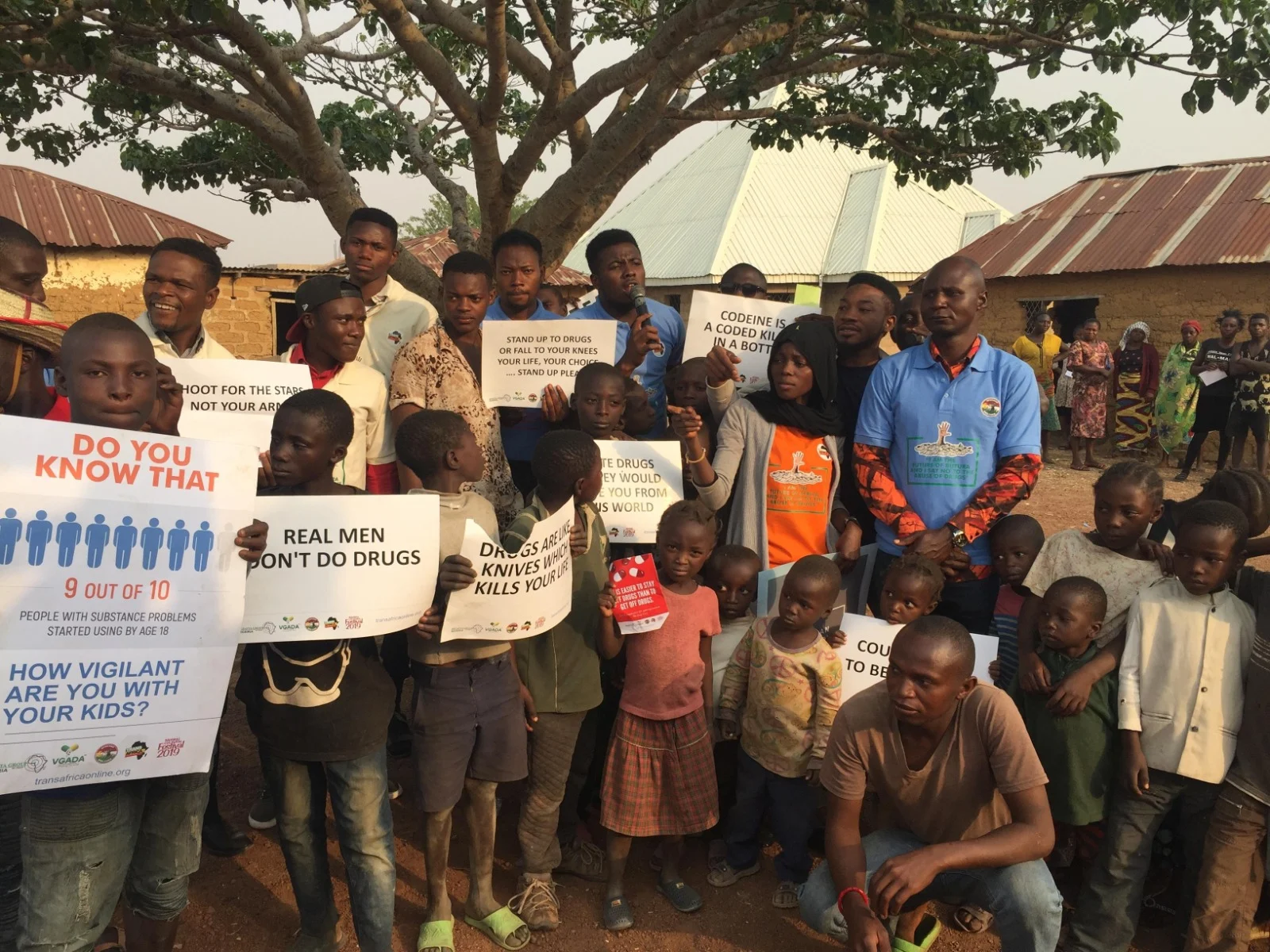
One of the most damaging costs of drug abuse can be the opportunities that disappear before a young person has had the chance to build a future.
Drug Abuse use can affect concentration, attendance, academic performance and relationships within schools and universities. For some young people, what begins as experimentation or peer influence can gradually interfere with education and long-term plans.
This matters in a continent where young people make up a significant share of the population and where education and skills development are closely tied to future employment and economic opportunity.
The loss is therefore bigger than one missed class or one failed examination. When substance use contributes to someone leaving school or abandoning a career path, a family loses potential income, an employer may lose future talent and a community loses someone who could have contributed to its development.
That is a social cost that a drug seizure figure will never capture.
2. The Pressure on Families

Addiction rarely affects only the person influenced by Drug Abuse.
Families can find themselves dealing with financial pressure, conflict, fear, emotional exhaustion and uncertainty about what to do next. Parents may spend money seeking treatment. Partners may struggle with broken trust. Siblings may take on responsibilities that should not have been theirs.
Yet many families experience these challenges privately.
Stigma can make the situation even harder. When substance use is viewed only through the lens of shame or moral failure, people may hide what is happening rather than seek help. A family may be afraid of what neighbours will say. A young person may avoid speaking to a teacher or health professional because they fear judgement.
This silence has consequences.
When people are afraid to talk about a problem, it becomes harder for researchers, policymakers and organisations to understand its true scale. It also becomes harder to design services that people will actually use.
3.The Economic Cost We Don’t Always See

The financial impact of drug abuse extends beyond healthcare and rehabilitation.
Consider the economic chain behind one person whose substance use affects their ability to work. There may be lost wages, reduced productivity, job loss, additional household expenses and financial dependence on relatives. Multiply that across households and communities, and the wider economic consequences become much more significant.
Young people are particularly important in this conversation. When substance abuse contributes to school dropout, unemployment or long-term health challenges, it can affect their ability to participate fully in the economy.
Families may also redirect money that would otherwise have gone towards education, housing, food or business into dealing with the consequences of addiction.
These costs are often invisible in conversations about drug trafficking because they happen gradually and privately.
The real economic cost is not simply what people spend on drugs. It is also what they stop being able to spend, earn or build because of the consequences.
4.Communities Carry the Consequences
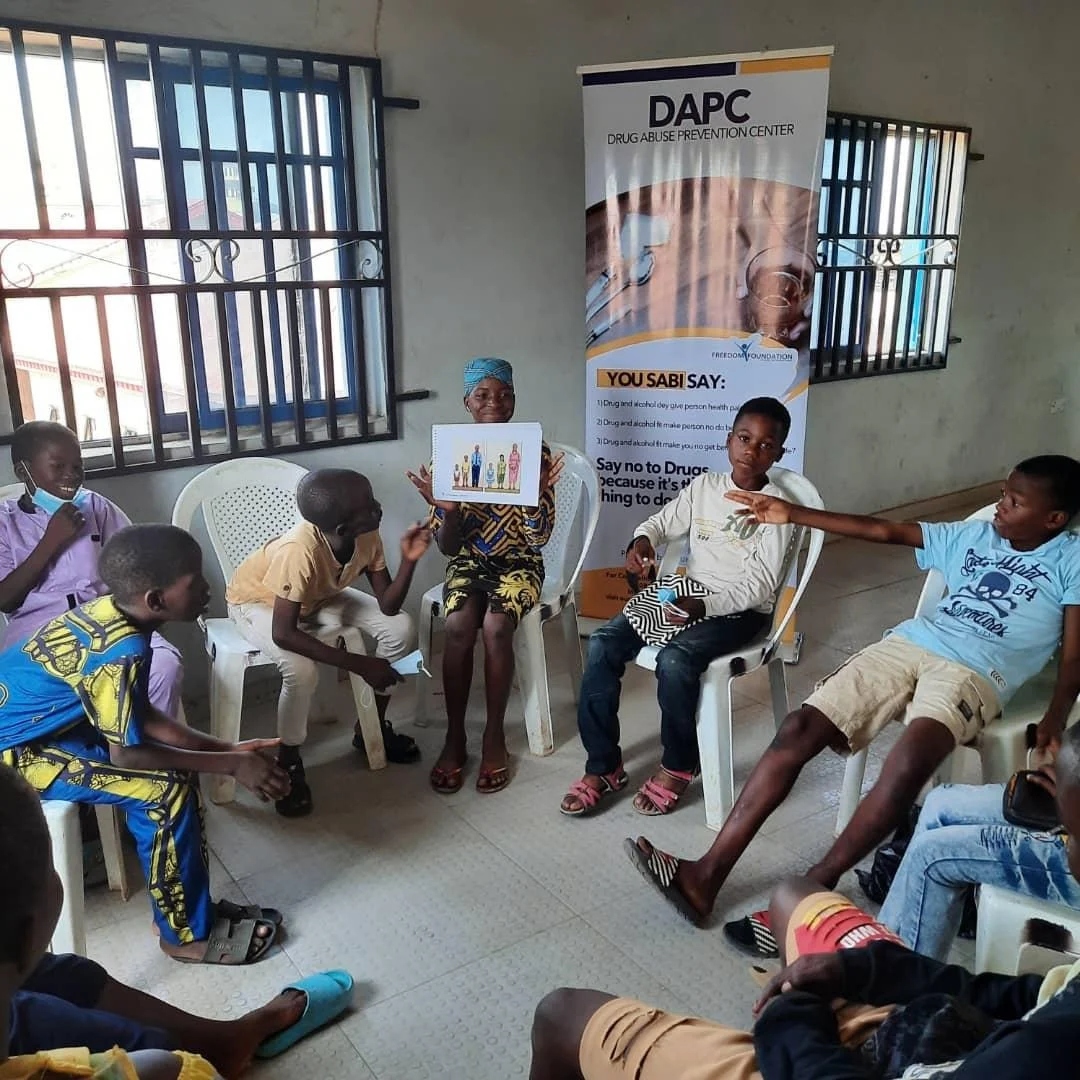
The effects of Drug abuse can eventually become visible at community level.
Schools may face increasing behavioural and attendance challenges. Health facilities may have to respond to substance-related conditions. Community organisations may find themselves supporting families dealing with addiction. Local businesses can be affected when substance use contributes to absenteeism, instability or unsafe working environments.
There is also a deeper social question around trust and safety.
When harmful substance use becomes widespread, communities may begin to experience problems connected to violence, exploitation, crime or social instability. These problems do not necessarily have a single cause, but substance abuse can become part of a much wider cycle of vulnerability.
This is why community-level evidence matters.
A national statistic can tell us that Drug abuse exists. It cannot always tell us how the problem looks in a particular neighbourhood, what residents believe is driving it or which groups are most affected.
Those answers require listening.
5.The Cost of Getting the Solution Wrong

Perhaps one of the most overlooked costs is investing in solutions without knowing whether they are actually working.
A prevention programme can reach thousands of young people. An awareness campaign can generate millions of views. A school can hold a drug education seminar. An organisation can distribute educational materials across several communities.
But what happened afterwards?
Did knowledge improve? Did attitudes change? Did risky behaviour decrease? Did more people seek support? Did young people feel better equipped to resist peer pressure? Did families become more willing to discuss substance use?
Without measuring these outcomes, it is difficult to know.
This is where the conversation around drug abuse needs to move beyond activity and into impact.
Research can help organisations understand the people they are trying to reach before an intervention begins. Quantitative studies can identify patterns across different populations, while qualitative research can explore the experiences, motivations and social pressures behind those patterns.
Focus group discussions can reveal how young people actually talk about drugs among themselves. Interviews with teachers, healthcare workers, parents, community leaders and other stakeholders can uncover barriers that may not appear in survey results.
Sometimes, the reason a programme is not working has little to do with the message itself.
Perhaps the programme is reaching the wrong audience.
Perhaps the message does not reflect how young people actually experience the problem.
Perhaps people know the risks but do not have access to support.
Perhaps the biggest driver is not a lack of awareness at all, but unemployment, peer pressure, family instability, trauma or social isolation.
Good social research helps uncover these realities.
Turning Evidence Into Better Action
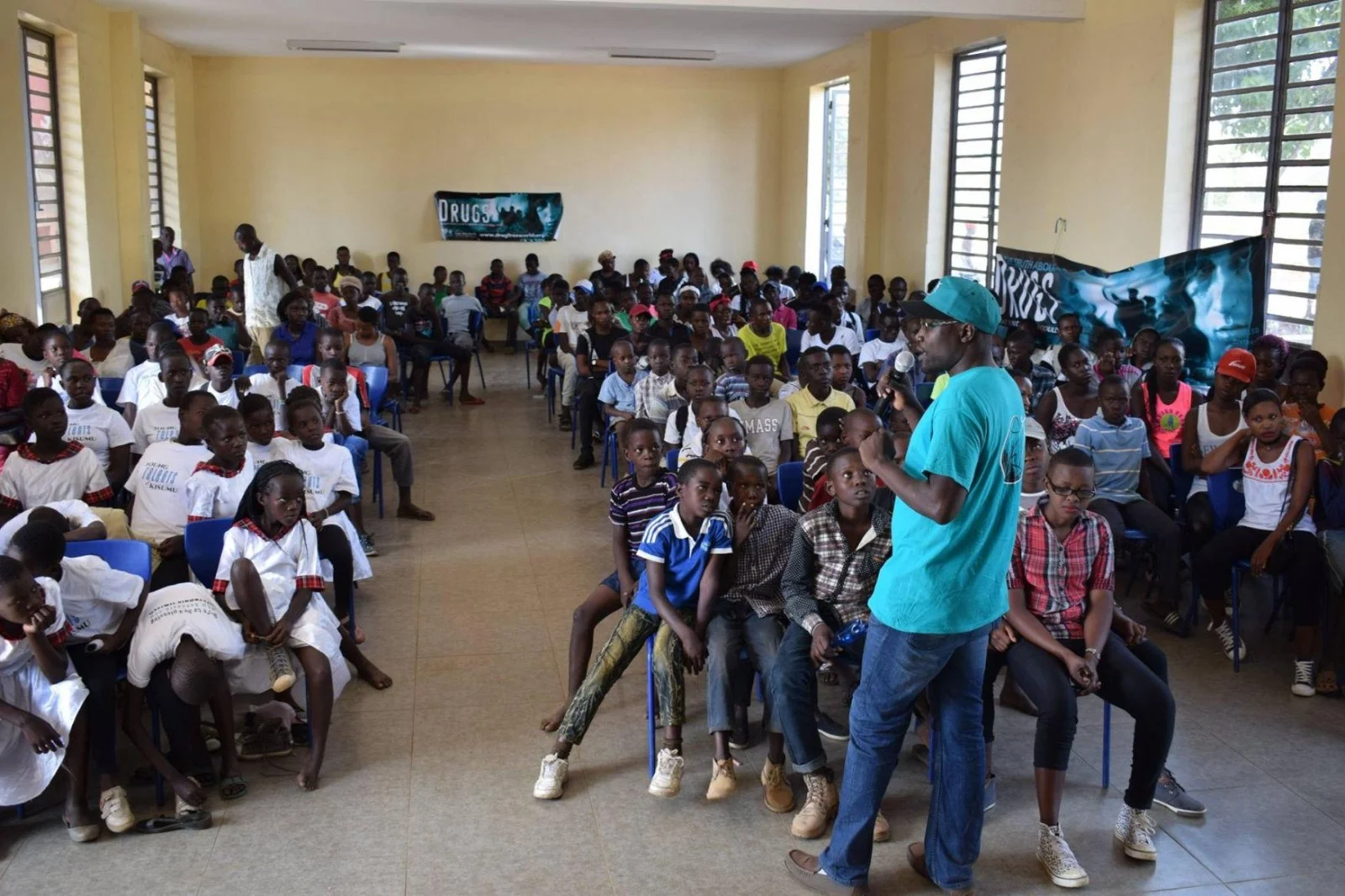
Understanding drug abuse in Africa requires more than collecting statistics. It requires evidence that connects numbers with lived experiences.
This is where Monitoring & Evaluation becomes important. Baseline research can establish what is happening before an intervention begins. Monitoring can show whether activities are reaching the intended communities and being delivered as planned. Evaluation can help determine whether those activities produced meaningful changes and what should be improved.
The purpose is not to create another report that sits on a shelf.
It is to help organisations make better decisions.
If a prevention programme is working, evidence can help show why. If it is not working, research can help explain what needs to change. If certain communities are more vulnerable, data can help organisations target their resources more effectively.
That is the difference between simply responding to a social problem and learning how to respond to it better.
Africa needs strong action against drug trafficking and the networks that profit from it but enforcement cannot address every reason people begin using substances, nor can it alone provide the support needed by people already affected by addiction.
Prevention, treatment, rehabilitation, education, community engagement and evidence-based policy all have a role to play.
In September 2026, Nigeria’s House Speaker Tajudeen Abbas made a distinction that reflects an important part of this wider conversation: those who profit from drugs should face justice, while people struggling with addiction need care. National Assembly Drug Abuse Prevention and Treatment Fund statement
That balance matters.
Because the response to drug abuse cannot stop at catching those who supply substances. It must also address the people, families and communities living with the consequences.
What Can Social Research Tell Us?
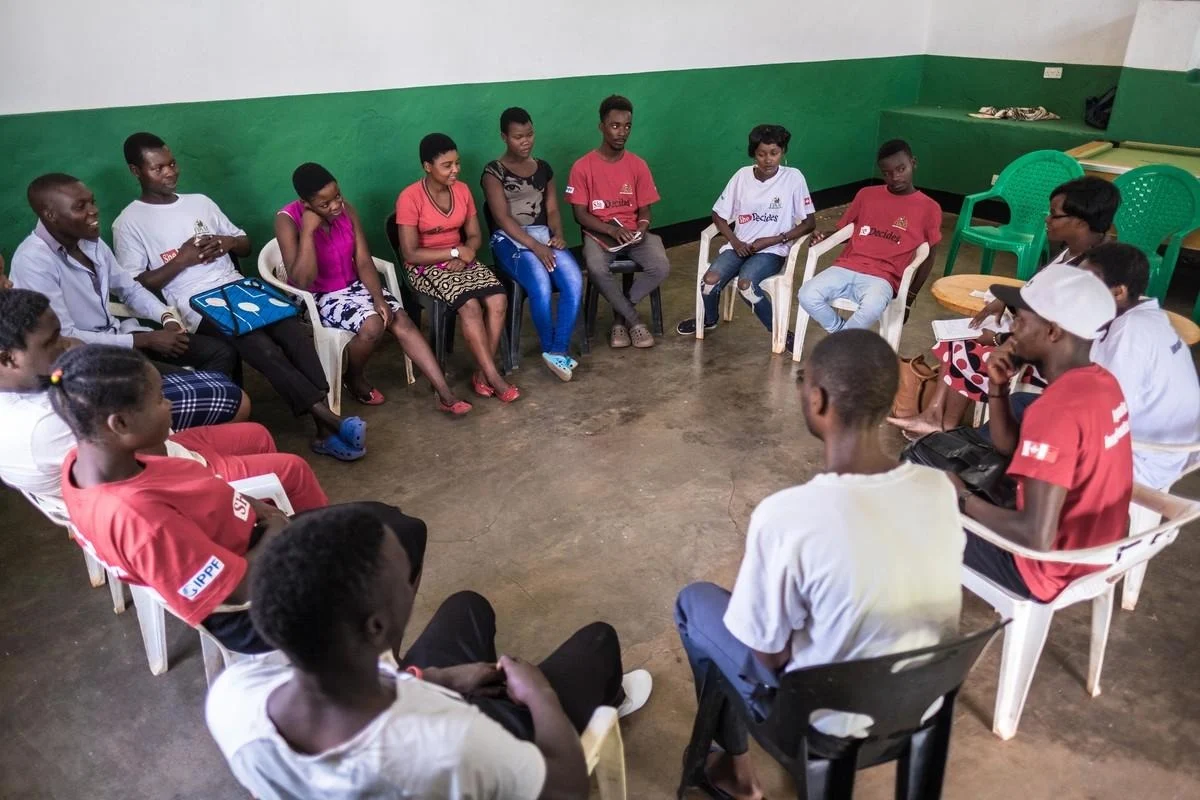
At Insight & Social, we believe that social challenges require evidence that reflects real experiences.
Through quantitative and qualitative research, community assessments, focus groups, Monitoring & Evaluation and impact assessments, we help organisations understand what is happening on the ground and determine whether their interventions are creating meaningful change. Explore Insight & Social’s research and evaluation services
For an issue as complex as substance abuse, asking the right questions is just as important as collecting the answers.
Who is most affected?
What is driving the behaviour?
What prevents people from seeking help?
Which interventions are reaching the right people?
And most importantly, what is actually changing?
The hidden cost of drug abuse in Africa is not just found in the substances seized. It is found in the young person who never finished school, the family that quietly struggles for years, the job that was lost, the opportunity that disappeared and the community that learned to live with a problem instead of solving it.
The question is not only how many drugs are being seized. It is how many lives are being changed, how many are being lost, and whether we are collecting the right evidence to know the difference.