Birth Certificate in Nigeria remains a significant social development challenge, leaving millions of children without an official record of their existence. A birth certificate may look like a simple document, but it establishes a child’s legal identity and helps them prove their age, nationality and family relationships.
In August 2026, UNICEF raised concern over approximately 3.5 million children under one year of age without birth certificate across Lagos, Ogun, Oyo, Osun, Ondo, Ekiti and Edo State. The figure was highlighted during a media dialogue organised by the National Population Commission (NPC) in collaboration with UNICEF. According to the UNICEF report on the birth registration gap, the absence of legal identity can affect children’s access to essential services and opportunities.
The National Population Commission has also reported that national birth certificate coverage stands at approximately 57%. This means millions of births are still missing from Nigeria’s official records.
But why are so many children still being left out of the registration system when birth registration is a recognised right and is free for children under five at NPC registration centres? Here are 7 reasons Nigerians still lack birth Certificates :
1. Many Parents Do Not Understand the Importance of Birth Certificate Registration
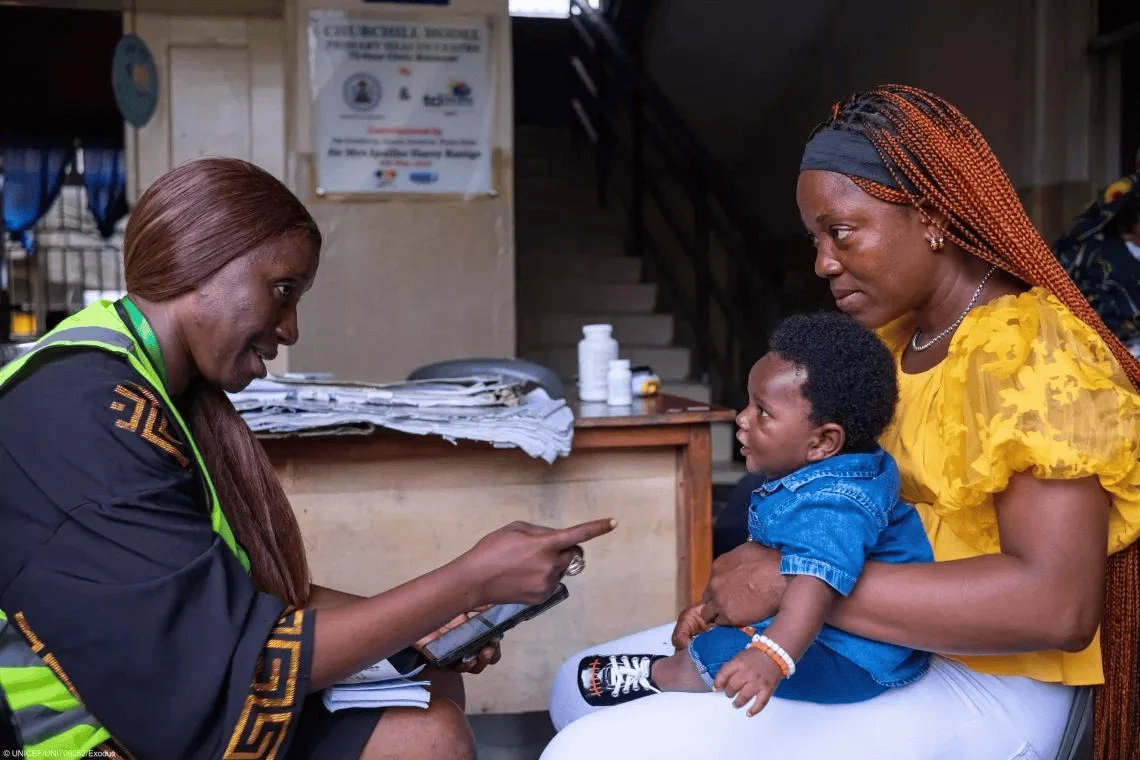
For some parents, registering a child’s birth may not seem urgent, particularly when the child is still a baby. The immediate priorities may be healthcare, feeding, childcare and other household responsibilities. As a result, birth registration is sometimes postponed until the child needs a document for school admission, travel or another official process.
This delay can create problems later. A birth certificate provides formal proof of a child’s existence, date of birth and parentage. Without it, families may face difficulties when they need to establish a child’s age, nationality or family relationship.
Low awareness is therefore an important part of the registration gap. Some parents may not know where to register, what documents are required or that registration for children under five is free at NPC registration centres. When information does not reach families in a clear and accessible way, an essential service can remain underused even when it is available.
2. Distance and Limited Registration Centres Make Access Difficult
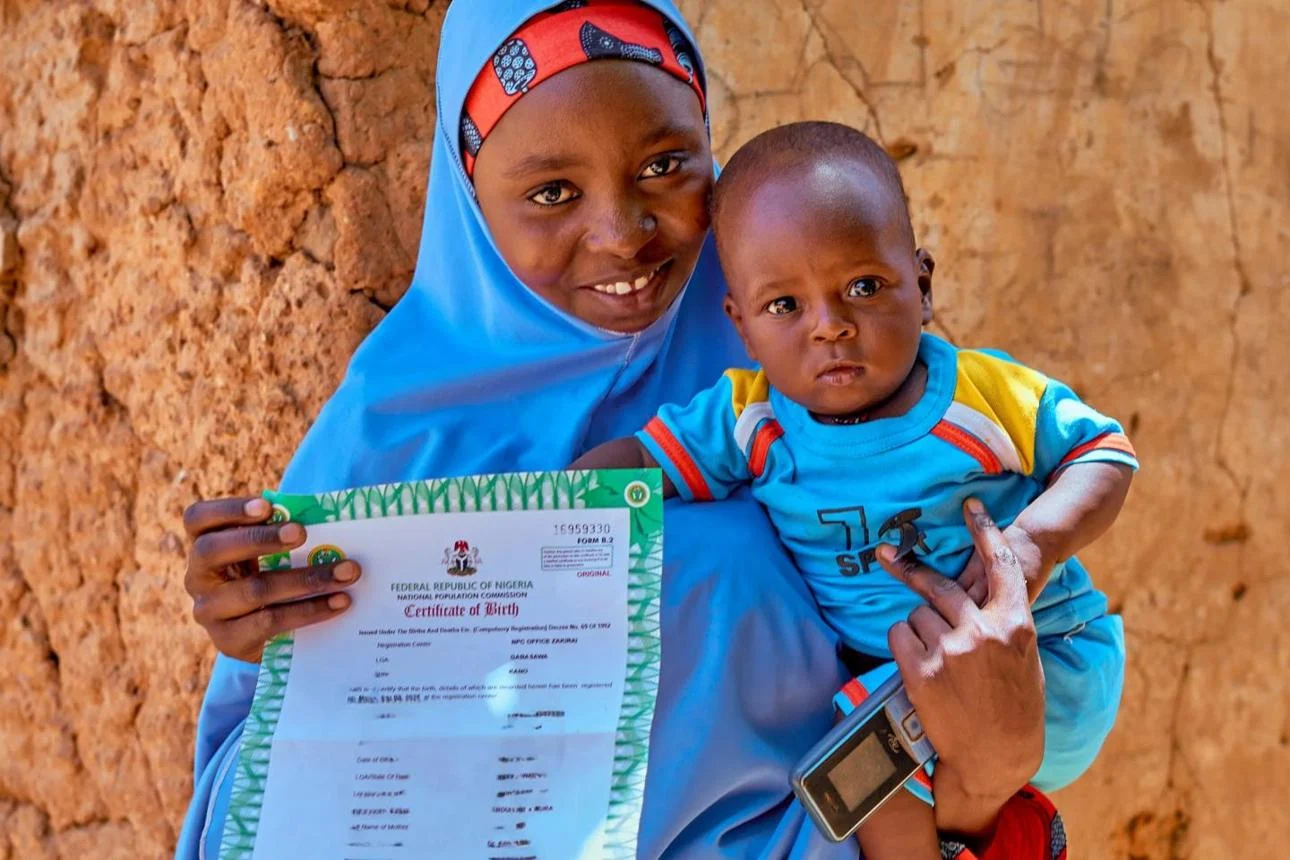
Where a family lives can influence whether a child gets registered.
In some rural and hard-to-reach communities, parents may have to travel considerable distances to reach an active NPC registration centre. The journey can involve transportation expenses, time away from work and the additional responsibility of travelling with a young child.
The challenge is not always the complete absence of registration facilities. It can also be the shortage of available registrars, limited operating capacity or the absence of registration desks in nearby health facilities.
UNICEF and the NPC have been working to integrate birth registration into routine health services, making it possible for parents to register children during visits to health facilities. UNICEF’s update on Nigeria’s efforts to strengthen birth registration highlights how decentralising registration and bringing services closer to communities can help reach children in underserved areas.
However, communities without consistent access to these services may continue to experience registration gaps.
3. Home Births Can Be Missed by the Formal Registration System
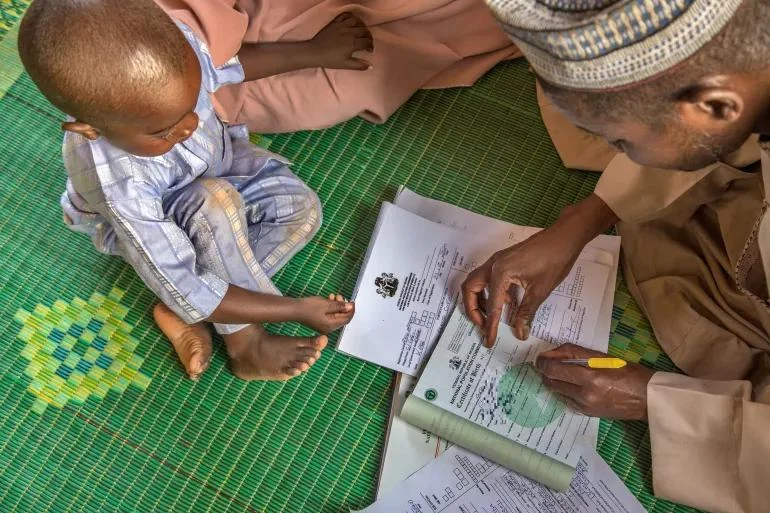
Not every child in Nigeria is born in a hospital or formal health facility.
Some deliveries take place at home or are assisted by traditional birth attendants. In communities where access to healthcare facilities is limited, these arrangements may be more common.
The challenge arises when information about these births does not reach the official registration system. A child can be born, named and welcomed into a family without the birth being formally recorded by the appropriate authorities.
This does not mean that home births cannot be registered. Rather, it highlights the importance of connecting traditional birth attendants, community leaders, health workers and local registration officials to the civil registration system.
When births outside formal health facilities are not properly captured, official records may fail to reflect the actual number of children living in a community. This is one reason community-level engagement is important when addressing gaps in public service delivery.
4. Poor Internet Connectivity Can Disrupt Digital Birth Certificate Registration
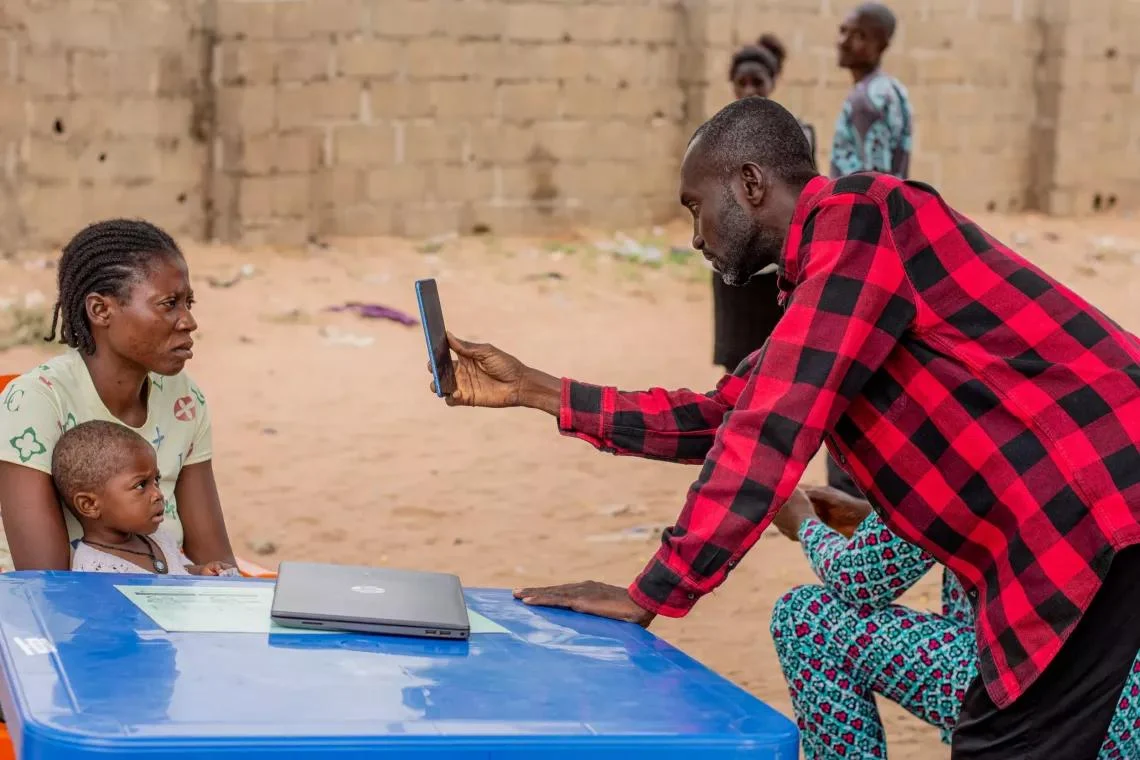
Nigeria’s transition towards digital birth registration is intended to improve record keeping, make registration more accessible and strengthen the country’s civil registration system.
The nationwide digital registration of births and deaths through the VitalReg platform commenced on 1 July 2026. While the shift offers opportunities for more efficient registration, it also depends on reliable digital infrastructure.
The National Population Commission has identified poor network connectivity as one of the challenges affecting the smooth implementation of electronic birth registration. A BusinessDay report on the NPC’s digital registration challenges highlights how network problems can delay the registration process.
In communities where internet access is unreliable, registrars may experience delays when submitting or retrieving information. This creates a gap between having a digital registration platform and being able to use it effectively everywhere.
For digital registration to improve access, the system must work for families and registrars in rural communities as well as those in urban areas. Technology can make public services more efficient, but only when the infrastructure and support required to use it are available.
5. National Identification Requirements Can Create Additional Hurdles
The connection between birth registration and national identity systems is another important part of Nigeria’s digital transition.
The National Population Commission’s online registration processes involve identity verification, including the use of a parent’s identification details in relevant applications. This can become an additional hurdle for families whose identity records are incomplete, whose details do not match across databases or who have difficulty completing digital verification.
For parents who are unfamiliar with online government services, understanding the requirements and resolving errors can also make the process more difficult.
The intention behind connecting birth records with national identity systems is to strengthen legal identity and improve the reliability of official records. However, the process must also account for parents who face challenges obtaining or verifying their own identification.
The NPC provides guidance on registration requirements and digital applications through its official VitalReg frequently asked questions. Making these instructions easier to understand and access can help families navigate the process.
A system designed to give every child a legal identity should not unintentionally leave vulnerable families further behind because of difficulties navigating another registration process.
6. Registration May Be Free, but Indirect Costs Still Matter
Birth registration for children under five is free at NPC registration centres. However, accessing a free service does not always mean that families face no expenses.
Parents may still have to pay for transportation, take time away from work, travel more than once because of incomplete documentation or spend additional time resolving administrative issues.
These indirect expenses can be particularly difficult for low-income households. A parent who has to choose between losing a day’s income and travelling to a registration centre may postpone the process, even when they understand its importance.
This is why access should be measured not only by whether a service exists, but also by whether families can realistically use it.
Understanding these household-level barriers requires more than administrative records. It requires listening to parents and examining the practical experiences that influence whether they complete the registration process.
7. Gaps in Government Records Make It Harder to Reach Every Child
Birth registration is not only important to individual families. It also provides information that governments need to plan for their populations.
When large numbers of children are missing from official records, the data available to policymakers may not accurately reflect the number of children living in particular communities. This can affect how authorities estimate demand for schools, healthcare facilities, immunisation, social protection and other essential services.
For example, if a community’s actual child population is higher than the number reflected in official records, planning based on incomplete data may underestimate the services required.
The problem can become more complicated when information from hospitals, community birth attendants, local registrars and national databases is not properly connected.
Improving birth registration therefore requires more than encouraging parents to collect certificates. It requires stronger coordination, accurate data collection and systems that capture births wherever they occur.
Why Birth Registration Matters Beyond the Certificate
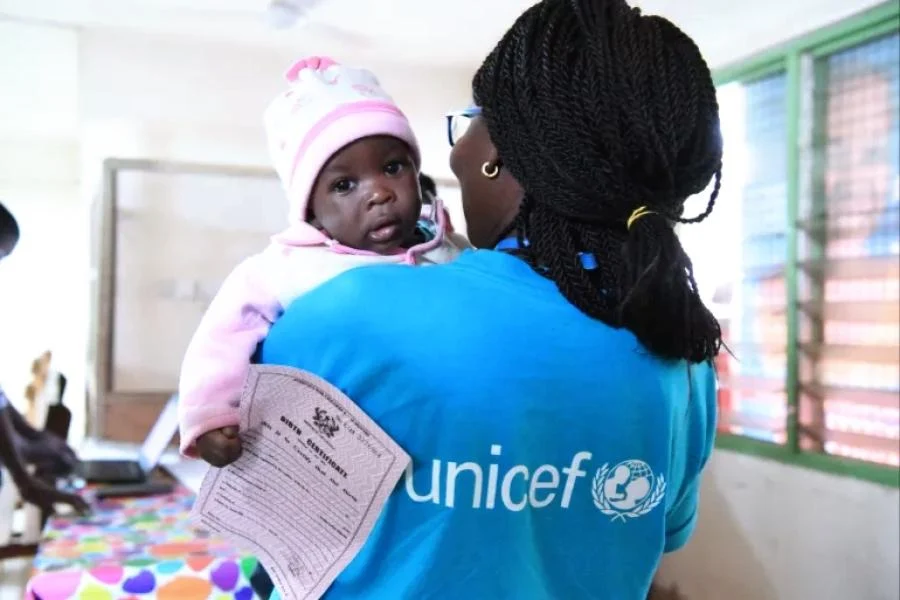
A birth certificate is often treated as a document families only need when a child reaches school age or applies for a passport. In reality, its importance begins much earlier.
It provides legal recognition, helps establish a child’s age and family relationships, and supports access to services and rights throughout life. It also gives governments more reliable information about the people they are responsible for serving.
The 3.5 million children identified across South-West Nigeria and Edo State represent more than a registration statistic. They highlight a gap between the children who exist in communities and the children captured in official records.
Closing that gap requires understanding the different experiences of families. A parent who does not know that registration is free faces a different challenge from one who lives far from a registration centre. A family struggling with digital verification needs a different intervention from a community where home births are not consistently reported.
Treating all these situations as one problem can lead to solutions that do not address the actual barriers.
What Can Social Research Tell Us?
At Insight & Social, we recognise that social development challenges require more than general observations. They require evidence about the people affected, the conditions they live in and the systems they depend on.
Through social research and impact assessment services, organisations can better understand why families are missing from birth registration systems and which interventions are most likely to improve coverage.
Household surveys and community assessments can identify areas with low registration rates, examine how distance and household income affect access, and assess parents’ awareness of registration requirements. Qualitative interviews can uncover the difficulties families encounter when using digital platforms or accessing local registration services.
This approach connects with the wider role of social research in helping organisations make better decisions. It allows decision-makers to move beyond assumptions and understand the experiences behind the statistics.
Monitoring and Evaluation can also help determine whether registration campaigns are reaching the intended populations, whether more children are being registered and whether improvements are sustained over time. As explained in our article on Monitoring and Evaluation in Africa, measuring progress is essential to understanding whether development interventions are delivering their intended results.
The goal should not simply be to increase the number of registration campaigns. It should be to understand whether more children are actually receiving legal identity and whether the barriers preventing families from accessing the service are being removed.
Every child is born into a family, but every child also deserves to be recognised by the system responsible for protecting their rights.
The question is no longer just how many birth certificates have been issued. It is how many children are still missing from the records, why they remain unregistered and what evidence can help close the gap.
At Insight & Social, we help organisations understand social challenges through research, reliable data and measurable evidence, supporting better decisions and more effective development programmes.At Insight & Social, we recognise that social development challenges require more than general observations. They require evidence about the people affected, the conditions they live in and the systems they depend on.
Through social research and impact assessment services, organisations can better understand why families are missing from birth registration systems and which interventions are most likely to improve coverage.
Household surveys and community assessments can identify areas with low registration rates, examine how distance and household income affect access, and assess parents’ awareness of registration requirements. Qualitative interviews can uncover the difficulties families encounter when using digital platforms or accessing local registration services.
This approach connects with the wider role of social research in helping organisations make better decisions. It allows decision-makers to move beyond assumptions and understand the experiences behind the statistics.
Monitoring and Evaluation can also help determine whether registration campaigns are reaching the intended populations, whether more children are being registered and whether improvements are sustained over time. As explained in our article on Monitoring and Evaluation in Africa, measuring progress is essential to understanding whether development interventions are delivering their intended results.
The goal should not simply be to increase the number of registration campaigns. It should be to understand whether more children are actually receiving legal identity and whether the barriers preventing families from accessing the service are being removed.
Every child is born into a family, but every child also deserves to be recognised by the system responsible for protecting their rights.
The question is no longer just how many birth certificates have been issued. It is how many children are still missing from the records, why they remain unregistered and what evidence can help close the gap.
At Insight & Social, we help organisations understand social challenges through research, reliable data and measurable evidence, supporting better decisions and more effective development programmes.