


COP30 (Conference of the Parties) is the top decision-making body of the UN Framework Convention on Climate Change (UNFCCC). Every country that has signed the Convention known as “Parties” participates in these meetings.
The main goal is straightforward but crucial: to review how nations are performing in reducing greenhouse gas emissions and to make decisions that ensure the effective implementation of the Convention. Over time, COP has become a central platform for governments, organizations, and stakeholders to negotiate commitments and shape policies that influence the global response to climate change.
As COP30 unfolds in Belém, Brazil, it is important to reflect on seven transformative ways past COP conferences have shaped global policy, and what this year could mean for Africa and the Global South.
Transformative Way 1: Health Systems Integration
Climate change is now recognized as a major public health issue. Previous COPs have steadily integrated health systems into climate policy:
- COP26 (Glasgow, 2021): 50+ countries committed to climate-resilient, low-carbon health systems.
- COP27 (Egypt, 2022): The first “Health Pavilion” highlighted climate-driven disease risks.
- COP28 (Dubai, 2023): Health became central, with the COP28 Declaration on Climate and Health.
For COP30, this trajectory continues, emphasizing adaptation financing for hospitals, early-warning systems, and climate-smart healthcare.
Transformative Way 2: Government Policy & Diplomacy
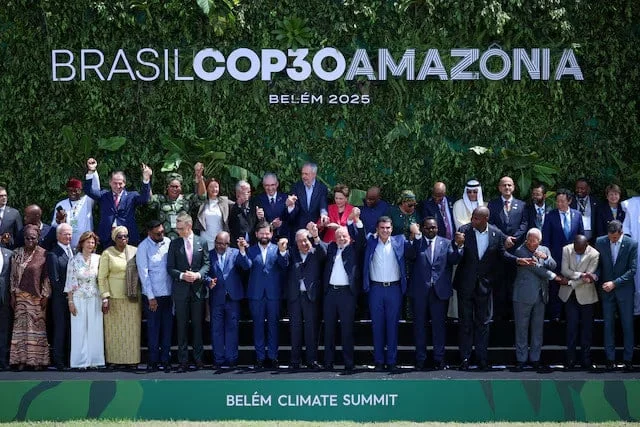
From COP1 to today, conferences have shaped national policies:
- COP3 (Kyoto Protocol, 1997): First binding emission targets.
- COP21 (Paris Agreement, 2015): Countries agreed to limit warming to 1.5°C via NDCs.
- COP26–COP29: Refinement of adaptation, finance, and transparency frameworks.
COP30 reinforces these efforts by supporting African and developing nations in shaping NDCs and national adaptation plans (NAPs).
Transformative Way 3: Technology & Innovation

Past COPs have influenced tech sector transformation:
- Post-COP21: tech giants committed to net-zero emissions.
- COP26: rise of “green tech” initiatives, renewable data centers, AI for environmental monitoring.
- COP28: investment surge in carbon-capture and nature-based AI solutions.
COP30 builds on these, pushing tech companies toward scalable climate solutions and adaptive tools. Read more on technology-policy intersection.
Transformative Way 4: Business & Sustainable Finance
Businesses have increasingly adapted to COP-driven policy:
- Paris Agreement → corporate climate disclosure frameworks.
- COP26 → Glasgow Financial Alliance for Net Zero (GFANZ) united firms representing $130 trillion in assets.
- COP28 → ESG adoption became integral, with measurable corporate accountability.
COP30 emphasizes metric-driven commitments, supply chain resilience, and investor-aligned climate strategies.
Transformative Way 5: Africa & Global South Impact
Africa contributes less than 4% of global emissions but suffers disproportionately. Past COPs created frameworks for equity and adaptation:
- COP27 → Loss and Damage Fund established.
- COP28 → Operationalization of fund mechanisms.
COP30 builds on this, emphasizing:
- Direct access to climate finance for African nations.
- Renewable energy partnerships and local adaptation projects.
- Regional collaboration through African Union Climate Strategy aligned with global frameworks. Read more: adaptation projects
Transformative Way 6: Institutional Evolution of COP

COPs themselves have evolved into powerful global institutions:
- Early COPs focused on basic emission reporting and protocols.
- Later COPs (21–29) built finance, transparency, and sectoral frameworks.
COP30 continues this trajectory by integrating multi-stakeholder dialogue, cross-sector policy alignment, and measurable outcomes.
Transformative Way 7: Global Policy Convergence & Progress
Finally, COP conferences have aligned global systems: health, business, tech, finance, and government now operate on shared climate policy principles.
COP30 reinforces this convergence, highlighting:
- Cross-sector coordination.
- Enhanced implementation monitoring.
- Forward-looking frameworks for a low-carbon, climate-resilient future.
Conclusion
From health systems to business, tech, and government, past COPs have left a transformative policy footprint. COP30 builds on three decades of precedent, offering Africa and the Global South pathways to adaptation, finance, and sustainable growth.
The challenge remains: turning frameworks into measurable progress. COP30 isn’t just another meeting it’s shaping the policies, investments, and strategies that will define the global climate response for years to come.