

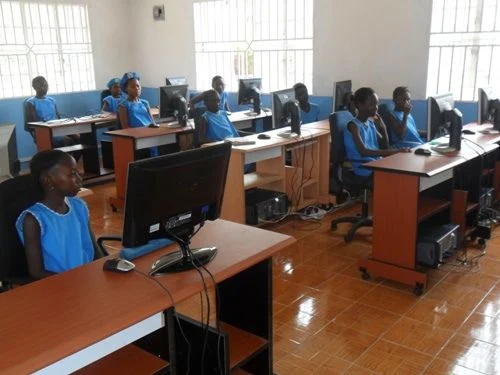
Africa stands at a defining moment. With the continent’s youth population projected to reach 830 million by 2050, the question facing governments, development agencies, and businesses is simple yet urgent: How do we equip the next generation with the skills, exposure, and opportunities needed to compete in a global economy?
Corporate Social Responsibility (CSR) has emerged as one of the continent’s most powerful levers for talent development. From education programs and digital literacy initiatives to scholarships, vocational training, and workforce-readiness acceleration, CSR is reshaping Africa’s talent pipeline in transformative ways.
This article explores 7 powerful ways CSR is strengthening Africa’s future workforce and why investing in young people is not only ethical but also economically strategic for multinational companies operating in Africa.
1. Strengthening Foundational Education Systems
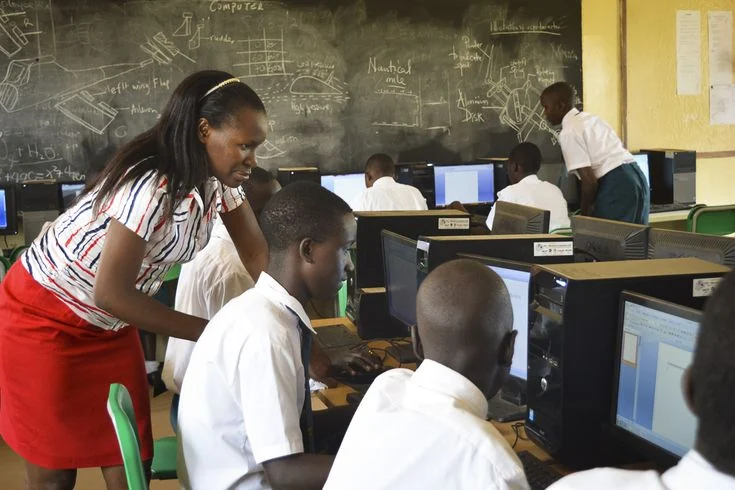
Many African children still face barriers to quality primary and secondary education. Corporate Social Responsibility initiatives are helping close these gaps.
Companies are funding:
- Classroom construction
- Teaching materials
- Teacher training
- Digital learning labs
- Access to STEM education
Impact: A more literate, digitally exposed, and curious generation ready for advanced skills development.
2. Promoting Digital Literacy and Future-Ready Skills
Corporate Social Responsibility programs now heavily emphasize digital capacity-building because Africa’s future workforce must be tech-enabled.
Brands are investing in:
- Coding bootcamps
- Robotics clubs
- ICT training for girls
- Digital innovation hubs
- Online learning access
Impact: Future talent equipped for roles in technology, finance, communications, and creative industries.
3. Offering Scholarships and Educational Sponsorships

Scholarship programs remain one of the most direct ways companies supports educating the next generation.
Common areas:
- STEM degrees
- Business and leadership courses
- Vocational and polytechnic programs
- Scholarships for underserved communities
Impact: Thousands of young Africans gain opportunities they wouldn’t otherwise access.
4. Driving Vocational and Technical Skills Development
Africa’s economy needs electricians, mechanics, welders, artisans, renewable energy technicians, and construction professionals just as much as it needs software engineers.
Corporate Social Responsibility programs bridge this gap through:
- Technical training centers
- Apprenticeships
- Certifications
- Work-readiness coaching
Impact: Companies contribute to a skilled, employment-ready workforce, reducing unemployment and under skilling.
5. Building Employability Through Internships and Early Career Programs
Many multinational companies now integrate CSR into early career recruitment.
Common Corporate Social Responsibility-powered youth programs include:
- Paid internships
- Graduate trainee schemes
- Mentorship programs
- Management acceleration programs
Impact: Young talent gains valuable real-world experience and professional exposure.
6. Supporting Innovation, Entrepreneurship, and Start-Up Ecosystems
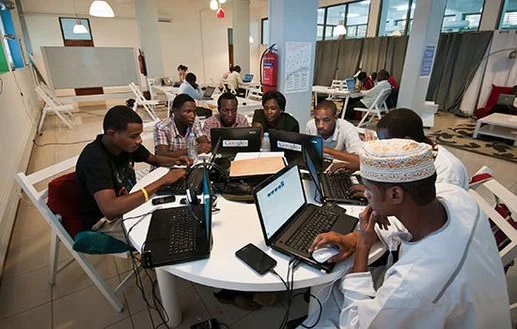
CSR is increasingly tied to Africa’s innovation movement.
Companies fund:
- Start-up incubators
- Grant challenges
- Social innovation competitions
- Youth business development services
Impact: Entrepreneurial youth create jobs not only seek them.
7. Supporting Community-Based Education and Lifelong Learning
CSR increasingly focuses on inclusive, community-centered learning, ensuring children and adults develop practical skills for life and work.
These include:
- Community libraries
- Adult literacy programs
- Life-skills training
- Financial literacy workshops
- Gender empowerment programs
Impact: A well-rounded, socially aware, and economically empowered youth population.
Why CSR is Critical to Africa’s Future Workforce Strategy
CSR fills educational and developmental gaps that governments alone cannot close. Businesses gain:
- Stronger local talent pipelines
- Reduced recruitment costs
- Lower expatriate dependence
- Better community relationships
- A reputation of meaningful impact
Young Africans gain:
- Skills
- Opportunities
- Economic mobility
- Exposure
- Confidence
This mutual benefit is why CSR is now a core element of Africa’s talent strategy, not just philanthropy.
Insight and Social’s Perspective: Why CSR and Youth Development Matter to Us
At Insight and Social, our work sits at the intersection of data, community development, and social impact. Supporting youth-focused CSR initiatives isn’t just an external observation it is central to the insights we generate and the solutions we build for clients across Africa.
Through our research into education systems, labour markets, digital readiness, and community-focused CSR programmes, we’ve seen first-hand how strategic investments in young people reshape economic futures. This is why our platform continues to highlight evidence, success stories, behavioural insights, and policy gaps surrounding CSR’s evolving role in Africa’s talent pipeline.
Our commitment is simple:
Provide the insight that helps organizations make sustainable, socially impactful decisions that advance the next generation. Learn more our services
Conclusion
Educating the Next Generation: CSR’s Role in Africa’s Talent Pipeline is more than a development slogan it is a strategic investment into the continent’s social and economic future.
Companies that invest in Africa’s youth today help shape:
- A more innovative workforce
- Thriving local communities
- Sustainable business growth
- A competitive continental economy
CSR is not charity; it is a long-term talent strategy. And Africa’s next generation is ready.