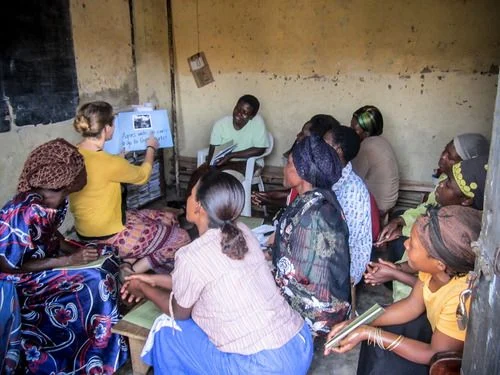


Extreme heat in Africa is no longer an occasional weather event.
For millions of people across the continent, rising temperatures are becoming a daily reality that shapes how they sleep, work, and live.
Across cities, rural communities, and growing urban centers, heatwaves are becoming more frequent and more intense. Climate researchers warn that Africa is warming faster than the global average, and the effects are already visible in everyday routines according to research from the World Meteorological Organization.
Extreme heat in Africa is affecting:
Sleep quality and nighttime rest
Physical and mental productivity during work hours
Household energy use
Health and wellbeing
While climate change discussions often focus on large environmental impacts, the reality is that heat is quietly transforming the daily rhythms of life across the continent.
Understanding these everyday changes is becoming increasingly important for governments, employers, researchers, and communities.
How Rising Temperatures Are Disrupting Sleep Patterns

Extreme Heat Affecting Sleep
One of the most immediate effects of extreme heat in Africa is the disruption of sleep.
Nighttime temperatures in many regions are rising faster than daytime temperatures. This means homes often remain hot long after sunset, especially in densely populated cities where concrete structures retain heat.
When temperatures remain high overnight, the body struggles to cool down. This makes it difficult to fall asleep and reduces the quality of rest, a trend highlighted in climate and health research by the World Health Organization.
Poor sleep can lead to several consequences:
Increased fatigue during the day
Reduced concentration and memory
Higher stress levels
Lower overall productivity
For households without air conditioning or reliable electricity, managing nighttime heat becomes even more challenging.
People often adapt by:
Sleeping outdoors or near windows
Using fans where electricity is available
Adjusting sleep schedules
Taking afternoon rest breaks
These coping strategies highlight how extreme heat in Africa is quietly altering daily routines across communities.
The Impact of Extreme Heat on Work Productivity

Extreme Heat Impact
Extreme heat in Africa also has a direct impact on how people work.
Many sectors across the continent depend on outdoor or physically demanding labor, including:
Agriculture
Construction
Transportation
Informal street trade
When temperatures rise above comfortable levels, the human body must work harder to maintain a stable internal temperature. As heat stress increases, workers experience fatigue more quickly.
This can lead to:
Slower work pace
Reduced productivity
Increased health risks
Higher chances of mistakes or accidents
Research from the International Labour Organization shows that heat stress can significantly reduce global labor productivity, particularly in tropical regions.
In some regions, workers are already adjusting their schedules to cope with the heat.
For example, workdays may start earlier in the morning or pause during the hottest midday hours.
However, these adjustments are not always possible in many industries where productivity depends on strict timelines or customer demand.
As temperatures continue to rise, the relationship between extreme heat in Africa and economic productivity is becoming an important area of research and policy discussion.
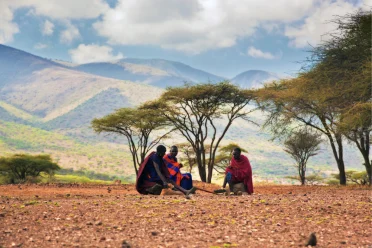
Beyond sleep and productivity, extreme heat in Africa also poses significant health risks.
High temperatures can lead to heat-related illnesses such as:
Heat exhaustion
Dehydration
Heatstroke
Vulnerable populations face the greatest risks, including:
Elderly individuals
Children
Outdoor workers
People living in densely populated urban areas
In many cities, limited access to cooling infrastructure and green spaces makes heat exposure even more severe.
Urban areas often experience what researchers call the urban heat island effect, where buildings and asphalt absorb and trap heat, making cities significantly warmer than surrounding rural areas, as explained in climate research by NASA Earth Observatory.
As a result, public health systems across Africa may face increasing pressure as heatwaves become more frequent.
How Communities Are Adapting to Rising Heat
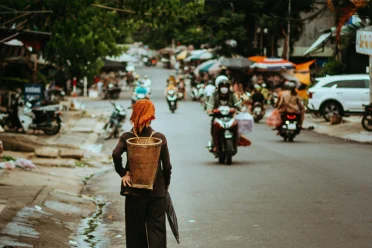
Community Adaptation to Extreme Heat
Despite the challenges, communities across Africa are developing practical ways to adapt to extreme heat.
Some common strategies include:
Adjusting work hours to cooler parts of the day
Increasing hydration and rest breaks
Using shade structures in markets and workplaces
Designing homes with better airflow and ventilation
Urban planners and policymakers are also exploring long-term solutions such as:
Expanding urban green spaces
Promoting climate-resilient building design
Improving access to electricity and cooling technologies
These efforts are essential for building resilience in the face of rising temperatures.
Why Understanding Everyday Climate Impacts Matters
Extreme heat in Africa is more than an environmental issue.
It is a social, economic, and public health challenge that affects everyday life.
From disrupted sleep to reduced workplace productivity, rising temperatures are already shaping how people live and work across the continent.
Understanding these lived experiences is critical for designing policies, infrastructure, and workplace strategies that help communities adapt to a warming climate.
Research that captures these everyday realities provides valuable insight into how climate change is affecting daily life.
Organizations looking to understand community experiences and behavioral responses to climate change can explore research approaches used by Insight and Social.
Understanding the Human Impact of Climate Change
Climate research is most valuable when it connects environmental trends with human experiences.
At Insight and Social, we support organizations in understanding how major issues such as climate change affect communities, livelihoods, and public wellbeing.
Our research helps transform complex data into meaningful insights that guide better decisions and sustainable solutions.
Turn Research Into Action
Organizations working on climate, development, and social programs need evidence that reflects real community experiences.
At Insight and Social, we help organizations:
Conduct Community and Climate Research
Capture Real Experiences Through Social Data
Design Evidence-Based Climate Strategies
Translate Insights Into Policy and Action
Partner With Insight and Social. Contact us today.