


Collecting reliable data is never a straightforward task, and the difficulty multiplies when the setting involves remote villages, humanitarian crisis zones, or areas with limited infrastructure. In these situations, data is not only harder to gather it is also more vulnerable to biases, gaps, and inaccuracies. How Social Researchers Ensure Data Quality in Difficult Environments depends on a combination of cultural awareness, flexible research design, ongoing training, and thorough validation systems. These strategies work together to keep the research ethical, credible, and meaningful for both communities and decision-makers who rely on the results.
Understanding How Social Researchers Ensure Data Quality in Difficult Environments begins with acknowledging that people are more than data points. Respect, patience, and presence are essential to producing research outcomes that genuinely reflect lived realities.
Community-Centered Understanding & Trust Building
Trust is the foundation of credible social research. Researchers start by learning cultural values, consulting community leaders, and explaining project goals transparently. Consent processes are tailored so participants understand the purpose and risks clearly. When researchers engage respectfully, communities become more open, reducing fear and bias. This openness strengthens response accuracy and ensures the results truly reflect lived realities.
Understanding local dynamics also helps identify potential cultural barriers. For instance, in some societies, gender norms affect who speaks publicly. Researchers who adapt by using same-gender interviewers or safe spaces for conversations enhance both participation and data quality.
Strengthening Local Capacity Through Targeted Training

Field environments are unpredictable. A survey tool that works in an urban setting might fail in a rural area with Local enumerators and data collectors are key to field success. They understand local languages, customs, and geography better than outsiders. However, data reliability requires consistent technique, which comes through thorough preparation.
Training sessions cover:
- Ethical and respectful interaction
- Neutral questioning to avoid leading responses
- Accurate device or paper-form handling
- Confidentiality and respondent protection
Practical role-plays, pilot interviews, and regular refreshers reduce human error. A confident, well-trained team ensures that every piece of information gathered upholds the highest quality standards.
Layered Quality Assurance and Verification
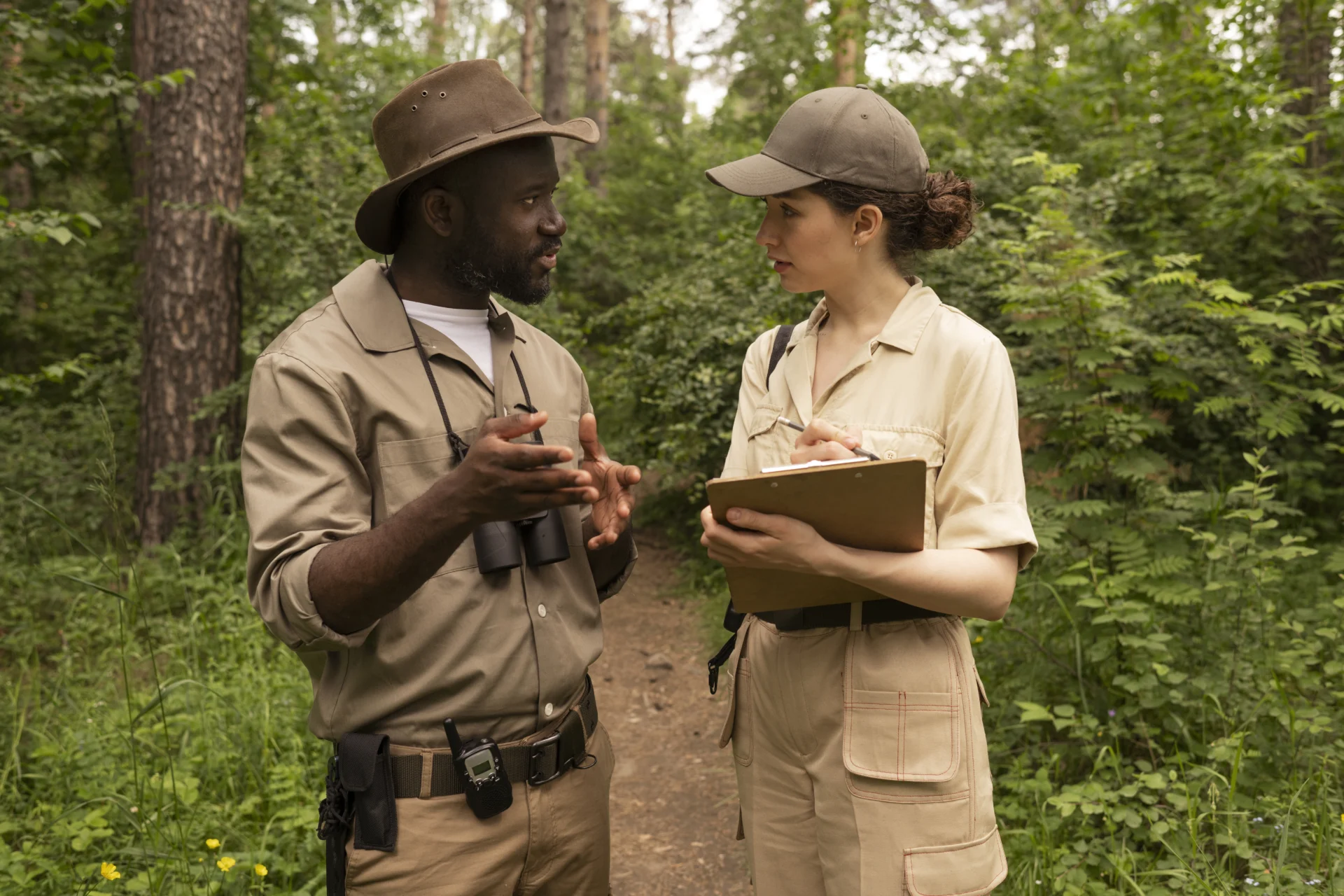
Quality assurance is a continuous process not an afterthought. Supervisors conduct daily reviews of completed questionnaires, cross-check information with respondents, and analyze random samples for accuracy. Digital tools capture GPS coordinates and timestamps, confirming interviews happened at the right place and time.
Automated systems can also detect data anomalies, such as duplicate entries or implausible numbers. These checks form the backbone of How Social Researchers Ensure Data Quality in Difficult Environments, combining field oversight with data analytics for maximum reliability.
Ethical Safeguards and Participant Protection
Quality assurance does not end when the interview concludes. Throughout the data collection process, researchers implement multiple validation steps to maintain integrity:
In complex or vulnerable contexts, ethics are non-negotiable. Researchers safeguard participants by anonymizing responses, encrypting digital data, and minimizing collection of personal identifiers. Consent forms are translated into local languages to ensure full understanding.
When dealing with sensitive topics such as health, gender, or conflict, participants are referred to local support networks. These protective measures maintain participant dignity and reinforce community confidence in the research process.
Leveraging Appropriate Technology
Technology has transformed field data work. Mobile data collection applications, GPS tagging, timestamping, and automated skip patterns reduce manual errors. However, in difficult environments where electricity or connectivity is limited, researchers balance tech with backup systems, ensuring no information is lost.
Let Knowledge Lead Change
In the end, How Social Researchers Ensure Data Quality in Difficult Environments comes down to respect, preparedness, and adaptability. When researchers listen, engage, and validate at every step, the data produced becomes strong enough to inform policy, shape interventions, and drive sustainable development.
Insights in Action
Need help improving data quality, conducting field research, or strengthening your monitoring systems? Connect with our team for collaborative support and tailored research solutions. Let’s transform field realities into reliable insights that drive meaningful change.