


The impact of food security in war is one of the most urgent yet underreported humanitarian and economic challenges today. Across conflict zones like Ukraine, Sudan, and Yemen, rural households traditionally the backbone of local food systems are facing severe income losses while increasingly relying on subsistence farming just to survive.
For social research and monitoring professionals, this trend reveals a dangerous paradox: as income declines, dependence on agriculture rises, even as the conditions for farming deteriorate.
Income Collapse in Rural Economies

War disrupts more than infrastructure it dismantles livelihoods.
In Ukraine, once known as a global grain powerhouse, rural households have experienced significant income declines due to:
- Destroyed supply chains
- Limited access to markets
- Rising input costs
Similarly, in Sudan and Yemen, prolonged conflicts have eroded rural income sources, forcing households to abandon diversified livelihoods such as trade, livestock, or small enterprises.
Insight:
Rural families are not just losing income they are losing economic resilience.
Increased Dependence on Farming for Survival
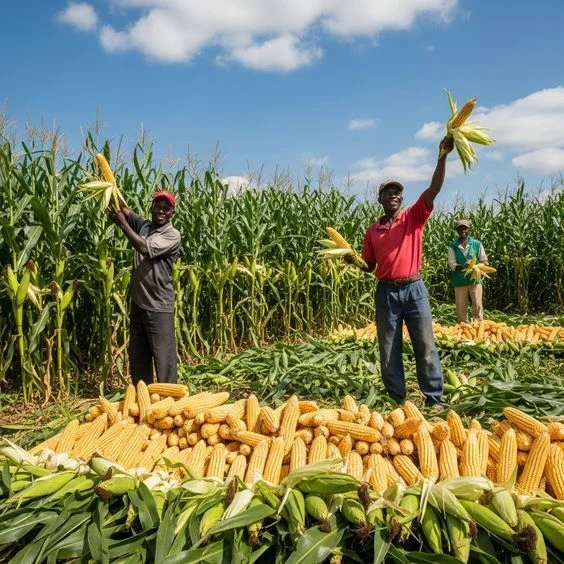
Ironically, even as agriculture becomes more difficult, rural households are relying on it more than ever.
With limited employment opportunities, many families are turning to:
- Small-scale subsistence farming
- Informal food production
- Barter systems within communities
In Ukraine’s conflict-affected regions, households report growing dependence on personal food production to compensate for lost wages.
Insight:
Farming is no longer just a livelihood it is a survival mechanism.
Disrupted Agricultural Systems
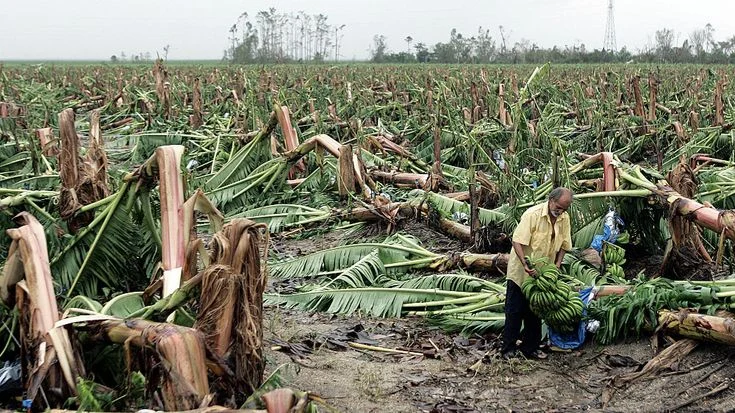
The impact of food security in war is deeply tied to the breakdown of agricultural systems.
Key disruptions include:
- Land contamination from explosives
- Destruction of irrigation systems
- Shortages of seeds, fertilizers, and fuel
In Yemen, for instance, agricultural productivity has sharply declined due to damaged infrastructure and restricted imports.
Insight:
Even when households rely on farming, the system itself is failing them.
Rising Food Prices and Market Instability
War-induced inflation further compounds food insecurity.
In conflict zones:
- Food prices surge beyond affordability
- Market access becomes unpredictable
- Supply chains collapse
In Sudan, staple food prices have skyrocketed, pushing rural households into deeper vulnerability despite their proximity to production areas.
Insight:
Being close to food production no longer guarantees food access.
Gendered Impact on Rural Livelihoods
Women in rural households often bear the brunt of food insecurity.
With men displaced or engaged in conflict:
- Women take on increased farming responsibilities
- Household labor burdens intensify
- Access to resources becomes more constrained
Across Ukraine and Yemen, women-led households are particularly vulnerable to income shocks and food shortages.
Insight:
Food security in war is also a gender equity issue.
Shift from Market Participation to Survival Mode
Rural economies typically thrive on market participation, but war forces a shift toward survival.
Households are:
- Consuming rather than selling produce
- Reducing crop diversity
- Avoiding risk due to uncertainty
This shift reduces overall economic activity and weakens local markets.
Insight:
The long-term economic cost extends beyond households to entire rural economies.
Long-Term Threats to Food Systems
What This Means for Research and Policy
For organizations working in monitoring, evaluation, and social research, these patterns highlight critical priorities:
- Track income vs. food reliance trends in rural households
- Assess resilience strategies beyond traditional metrics
- Design interventions that address both income recovery and agricultural support
- Integrate gender-sensitive approaches in food security programming
Understanding the lived realities of rural households is essential to designing solutions that are both effective and sustainable.
The End
The impact of food security in war reveals a complex and deeply human story: rural households are losing income while becoming more dependent on a fragile agricultural system. This dual pressure is reshaping livelihoods, economies, and entire food systems.
Without targeted, data-driven interventions, the consequences will extend far beyond conflict zones affecting regional stability and global food security.
At Insight and Social, we go beyond surface-level data to uncover the realities shaping vulnerable communities.
Partner with us to design evidence-based strategies, monitor impact, and deliver insights that drive meaningful change in complex environment.