


The Postpartum Mental Health Crisis is one of the most overlooked public health and social challenges affecting mothers around the world.
Every year, millions of women experience emotional, psychological, and social struggles after childbirth, yet the issue often remains hidden behind cultural expectations that motherhood should be purely joyful.
While healthcare systems focus heavily on pregnancy and childbirth outcomes, far less attention is paid to what happens after the baby arrives. This gap leaves many mothers navigating postpartum depression, anxiety, and emotional exhaustion without the support they need.
For social researchers, understanding the Postpartum Mental Health Crisis is essential. It highlights how health systems, families, workplaces, and communities shape maternal wellbeing.
Below are seven realities that reveal why postpartum mental health deserves greater attention in research, policy, and society.
Postpartum Depression Affects Millions of Mothers
One of the most significant aspects of the Postpartum Mental Health Crisis is the prevalence of postpartum depression.
Research across multiple countries suggests that 10–20% of new mothers experience postpartum depression, although the real number may be significantly higher due to underreporting.
Symptoms may include:
- Persistent sadness
- Emotional numbness
- Difficulty bonding with the baby
- Fatigue and sleep disruption
- Anxiety or feelings of guilt
Despite its widespread occurrence, postpartum depression often goes undiagnosed, particularly in communities where mental health discussions remain stigmatized.
For social researchers, this raises a critical question: how many mothers are silently struggling without recognition or support?
Cultural Expectations Often Silence Mothers
Motherhood is frequently portrayed as a time of unconditional happiness. While many mothers experience deep joy, the expectation that motherhood must always feel fulfilling can create pressure to hide emotional struggles.
In many societies, mothers feel reluctant to speak openly about postpartum stress or depression because they fear judgment or misunderstanding.
This cultural silence contributes significantly to the Postpartum Mental Health Crisis, making it harder for mothers to seek help.
Understanding these cultural dynamics requires social research that examines attitudes toward motherhood, mental health, and emotional vulnerability.
Postnatal Care Often Focuses on the Baby, Not the Mother
Healthcare systems often prioritize the newborn’s health during postnatal visits, while the mother’s emotional wellbeing receives far less attention.
Once childbirth is over, many mothers have limited follow-up appointments that address their mental health or emotional recovery.
This imbalance highlights a structural issue within maternal care systems and reinforces the growing Postpartum Mental Health Crisis globally.
A more holistic approach to maternal care must consider both physical recovery and mental wellbeing.
Social Isolation Intensifies Postpartum Challenges
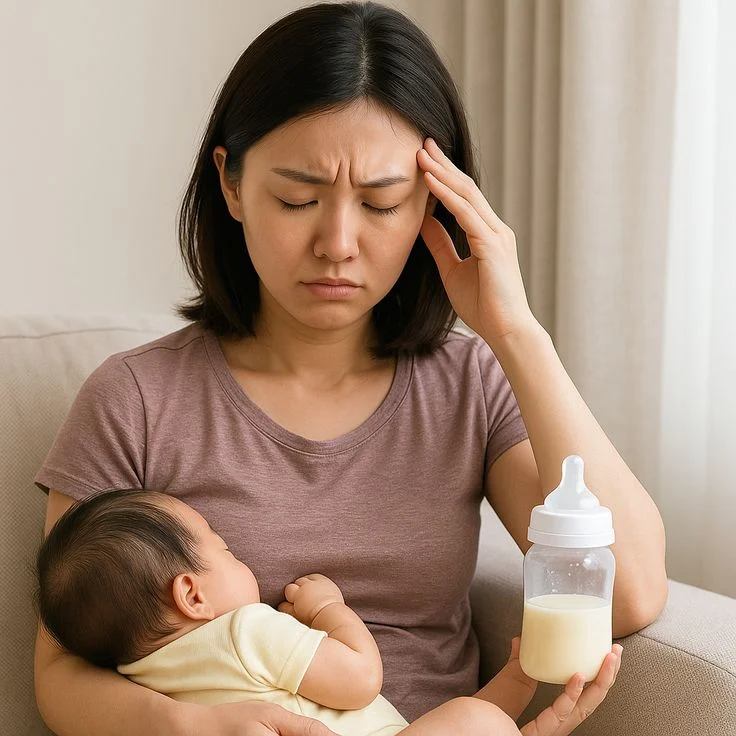
Another overlooked dimension of the Postpartum Mental Health Crisis is social isolation.
Modern lifestyles, urban migration, and nuclear family structures mean many mothers raise newborns without extended family support.
Without strong support networks, mothers may face:
- Emotional isolation
- Increased stress
- Reduced opportunities for rest
- Difficulty sharing childcare responsibilities
Social research shows that community support and social connections play a major role in maternal wellbeing during the postpartum period.
Economic Pressure Adds Emotional Strain
Raising a child often introduces new financial responsibilities, including healthcare costs, childcare, and basic household needs.
For many families, especially in regions with limited social safety nets, the financial pressures of parenthood can amplify stress and anxiety.
When combined with sleep deprivation and emotional adjustment, economic strain can worsen the Postpartum Mental Health Crisis.
Research into maternal wellbeing must therefore examine economic conditions, employment security, and family financial resilience.
Mental Health Screening is Still Limited

In many healthcare systems, postpartum mental health screening is not routinely implemented.
This means symptoms of depression or anxiety may go unnoticed by healthcare professionals, leaving mothers without access to appropriate support.
Social research can help identify:
- Gaps in maternal mental health screening
- Awareness levels among mothers
- Barriers to seeking professional support
Understanding these gaps is essential to addressing the Postpartum Mental Health Crisis effectively.
Mothers’ Voices Are Often Missing in Policy Decisions
Policies related to maternal health, family support, and childcare are often designed without directly engaging mothers themselves.
Yet mothers’ lived experiences provide critical insights into the real challenges families face.
Social research plays a crucial role in capturing these voices through:
- Surveys
- Interviews
- Community research
- Behavioural studies
By listening to mothers, policymakers and organizations can design solutions that genuinely improve maternal wellbeing.
Why Social Research Matters for Maternal Wellbeing

The Postpartum Mental Health Crisis demonstrates why social research is essential for understanding complex human experiences.
Maternal health is not shaped only by biology. It is influenced by:
- Cultural expectations
- Economic conditions
- Social support systems
- Access to healthcare
- Workplace policies
Without reliable social data, these realities remain invisible.
Research helps transform individual experiences into evidence that can inform policy, healthcare systems, and social interventions.
Fact
Mother’s Day celebrations remind us to appreciate the role of mothers in families and communities.
But meaningful recognition must go beyond celebration. It must include listening to mothers’ experiences and addressing the challenges they face.
The Postpartum Mental Health Crisis highlights a critical gap in how societies understand maternal wellbeing. By investing in social research, institutions and policymakers can gain deeper insight into the emotional, economic, and social realities of motherhood.
Better data leads to better policies and ultimately, better support for mothers everywhere.
At Insight and Social, we believe the most important voices in society are often the least heard.
Through rigorous social research, we help organizations, governments, and institutions understand the lived experiences behind the data.
From maternal wellbeing to community development and public policy, our research uncovers the insights needed to design solutions that truly improve lives.
If your organization is seeking evidence-based insights into social issues that matter, partner with Insight and Social to turn human experiences into meaningful research.