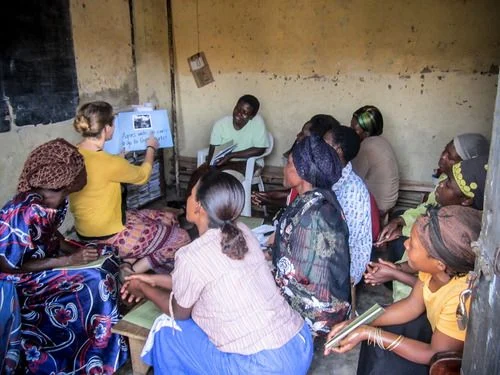


The role of social research in crisis situation cannot be overstated. When societies face emergencies whether from natural disasters, health outbreaks, armed conflict, or political instability understanding human behavior, needs, and coping strategies becomes critical. Research conducted in such moments ensures that interventions are not only swift but also grounded in evidence. Without structured inquiry, decision-makers risk relying on assumptions rather than facts, which can lead to misplaced resources and ineffective solutions.
The Importance of Investigating During Emergencies
In times of disruption, traditional data collection systems often collapse or fail to capture the realities on the ground. Social research in crisis situation steps in to fill these gaps by documenting lived experiences, struggles, and survival strategies. Such research uncovers vulnerabilities within affected populations while highlighting areas of resilience that can be strengthened. For example, studying how communities organize mutual support during crises can guide humanitarian organizations to build upon existing coping mechanisms rather than imposing external models that may not work locally.
Adaptive Approaches for Challenging Contexts

Conducting studies during emergencies requires creativity and adaptability. Field conditions are unpredictable, which means researchers must design flexible approaches that balance accuracy with safety. Remote interviews, mobile-based surveys, and rapid assessments are now common tools that allow information to flow even when face-to-face research is impossible. These adaptive strategies are essential in ensuring that the voices of affected populations remain central.
Additionally, social research in crisis situation prioritizes ethical safeguards. Participants may already be vulnerable, and poorly designed questions could cause distress. Sensitivity, confidentiality, and respect are therefore vital in creating trust between researchers and respondents.
How Crisis-Oriented Studies Shape Response
Findings from crisis-related research directly inform humanitarian aid, governance, and development programs. When social research identifies urgent needs such as shortages of clean water, mental health services, or shelter it allows agencies to allocate resources more effectively. Evidence-based decision-making ensures that interventions are not only fast but also relevant to the realities of those in need.
Beyond immediate relief, the outcomes of such studies also help to strengthen accountability. Governments and humanitarian actors are better positioned to justify policies and spending when backed by solid, context-specific evidence.
Technology as a Bridge in Crisis Research
The growing reliance on digital tools has revolutionized social research in crisis situation. Mobile surveys, SMS-based questionnaires, social media sentiment analysis, and online focus groups enable researchers to gather timely information at scale. These tools are particularly valuable when physical access is restricted, such as during pandemics or security threats.
Technology also helps visualize crises more effectively. Digital mapping of affected areas provides insights into population movement, service access, and emerging needs. Combined with qualitative interviews, this creates a holistic picture of both the human and structural impact of crises.
Looking Ahead: Building Resilience Through Research
The importance of crisis-related studies extends far beyond the emergency itself. Lessons learned can inform long-term recovery, rebuilding, and resilience strategies. By documenting what worked and what failed, societies are better prepared to withstand future disruptions.
For instance, research conducted during the COVID-19 pandemic has influenced public health preparedness plans worldwide. Similarly, studies after natural disasters often shape building codes, disaster management policies, and community preparedness strategies. Ultimately, social research in crisis situation not only addresses immediate needs but also contributes to creating stronger, more resilient societies.
Partner With Us to Drive Impact
At Insight and Social, we recognize that social research in crisis situation is essential for shaping effective, human-centered solutions. Our expertise ensures that even in the most uncertain environments, evidence-based insights are captured to guide action. Partner with us to design studies that bring clarity amid uncertainty and create lasting impact for communities in need.