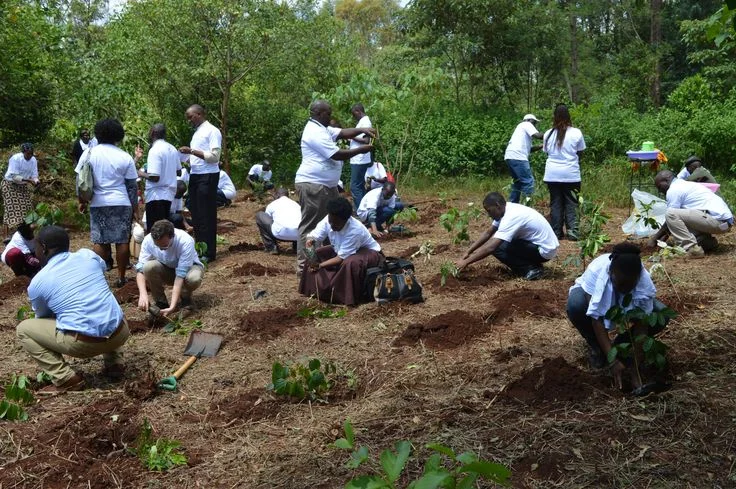


Social Research is one of the most influential yet underestimated forces shaping our world. From the price of food in your local market to government policies, from the ads you see online to healthcare programs in rural Africa Social science Research quietly influences everyday life.
But what exactly is Social Research? And why should it matter to you?
Whether you are a policymaker, entrepreneur, student, NGO leader, or simply a citizen trying to understand society better, this guide will show you how Social Research drives meaningful change across the globe with special relevance to Africa’s evolving landscape.
Let’s explore.
What Is Social Research?
Social Research is the systematic study of people, behaviors, relationships, institutions, and social systems using scientific methods to generate reliable insights.

It answers questions like:
- Why do young people migrate to cities?
- What influences voter behavior?
- How do communities respond to climate change?
- Why do some businesses succeed while others fail?
- What factors affect education outcomes?
Using tools such as surveys, interviews, focus groups, ethnography, observation, and data analytics, Social Research helps us understand patterns, motivations, and societal trends.
Organizations like the United Nations (UN), World Bank, African Development Bank (AfDB), WHO, and global research institutions rely heavily on Social Research to design programs that improve lives.
Why Social Research Matters in Everyday Life
Here are 7 powerful reasons Social Research shapes your world daily:
1. It Shapes Public Policy and Governance
Governments do not (or should not) create policies blindly. Social Research provides evidence that informs decisions on:
- Education reforms
- Healthcare systems
- Poverty reduction strategies
- Employment policies
- Electoral processes
For example:
- The World Bank’s poverty assessments use community Research to guide funding.
- African governments use demographic and health surveys to shape maternal health programs.
- UNICEF relies on social data to improve child protection policies.
Without Social Research, policy becomes guesswork.
2. It Improves Healthcare Outcomes
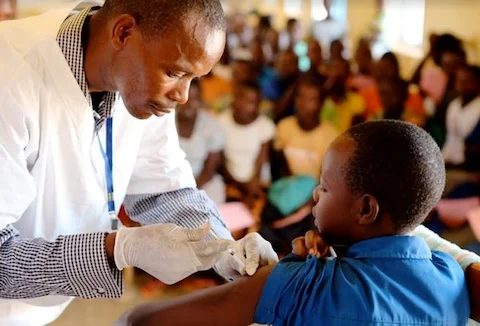
Why do vaccination campaigns succeed in one region but fail in another?
Social Research studies cultural beliefs, trust levels, misinformation, and behavioral drivers.
During the COVID-19 pandemic, Societal Research helped:
- Identify vaccine hesitancy patterns
- Understand misinformation spread
- Design culturally sensitive awareness campaigns
In Africa, organizations like WHO Africa Region and local public health institutions rely on community Research to address malaria, HIV, maternal mortality, and community health behaviors.
Healthcare without Social Research is incomplete.
3. It Drives Economic and Business Growth
Businesses that understand people succeed.
Companies use Social Research to:
- Identify consumer behavior trends
- Test new products
- Understand brand perception
- Improve customer experience
In emerging African markets like Nigeria, Kenya, South Africa, and Ghana, Social Research helps companies navigate:
- Informal economies
- Youth-driven markets
- Digital transformation
- Urbanization trends
Multinationals and local enterprises alike depend on social insights to adapt to rapidly changing consumer landscapes.
4. It Supports Education and Youth Development
Education systems evolve based on Social Research findings about:
- Learning gaps
- Gender disparities
- Digital access inequality
- School dropout rates
Organizations like UNESCO and national education boards use community Research to:
- Reform curriculum
- Improve teacher training
- Expand access to marginalized communities
In many African countries, community Research has revealed critical insights about rural access to education and the digital divide.
Without it, educational reform would lack direction.
5. It Promotes Social Justice and Inclusion
Social Science Research gives voice to marginalized communities.
It identifies:
- Gender inequality
- Racial discrimination
- Disability exclusion
- Income inequality
- Rural-urban disparities
NGOs and advocacy groups use Social Research findings to:
- Campaign for human rights
- Design inclusive policies
- Hold institutions accountable
Data transforms invisible struggles into measurable realities.
6. It Helps Solve Global Challenges
Climate change. Migration. Conflict. Urbanization.
These are not just environmental or political issues they are social issues.
Societal Research examines:
- Community adaptation strategies
- Migration drivers
- Youth unemployment trends
- Conflict triggers
- Urban housing crises
For example:
- The African Union integrates Community Research into continental development planning.
- Climate adaptation programs use social data to understand community vulnerability.
Global challenges require human-centered solutions and Social Research provides that lens.
7. It Empowers Individuals and Communities
Perhaps the most powerful impact of Social Research is empowerment.
When communities participate in research:
- They express needs.
- They influence development priorities.
- They shape solutions.
Participatory Community Research approaches ensure development is not imposed but co-created.
In many African regions, community-led research initiatives are helping reshape:
- Agricultural systems
- Women’s economic participation
- Youth employment strategies
Community Research transforms citizens from passive recipients into active contributors.
Why This Matters Now, especially in Africa

Africa is experiencing:
- Rapid population growth
- Digital expansion
- Urban transformation
- Economic diversification
- Youth demographic surge
To navigate this transformation effectively, data must guide decisions.
Institutions across Africa from national statistics bureaus to private research firms are investing in stronger Community Research frameworks to:
- Strengthen democracy
- Improve governance transparency
- Support sustainable development
- Attract global investment
Africa does not need assumptions. It needs evidence.
How Modern Research Is Evolving
Modern Social Research combines:
- Quantitative surveys
- Qualitative interviews
- Focus group discussions
- Big data analytics
- Digital behavioral tracking
- Ethnographic studies
Technological advancements such as mobile data collection and digital analytics have transformed Community Research in developing regions, increasing reach and accuracy.
Common Misconceptions
Myth 1: It’s only for academics.
Reality: Businesses, NGOs, governments, and communities rely on it.
Myth 2: It’s too complex to understand.
Reality: At its core, Social Research simply seeks to understand people better.
Myth 3: It doesn’t affect ordinary people.
Reality: It shapes healthcare access, education systems, public safety, and economic opportunities.
The Future of Social Research
The future of Social Research lies in:
- Digital data integration
- Artificial intelligence analysis
- Community-driven research models
- Cross-border collaboration
- Ethical data governance
As societies become more interconnected, Societal Research will become even more critical in guiding responsible and inclusive growth.
Why Social Research Truly Matters
Social Research is not abstract theory. It is the backbone of informed decisions, effective policies, thriving businesses, and empowered communities.
From Lagos to London, Nairobi to New York, Johannesburg to Jakarta Social science Research influences daily life more than most people realizes.
It matters because people matter.
And when we understand people better, we build better societies.
Partner With Insight and Social for Evidence That Drives Impact
At Insight and Social, we believe social science Research should do more than collect data it should influence decisions, strengthen institutions, and create measurable change.
Our team works with governments, development agencies, NGOs, academic institutions, and private sector organizations to design and execute high-quality Social Research across Africa and beyond. From community-based studies to large-scale national surveys, we turn complex social data into clear, actionable intelligence.
If your organization is seeking:
- Evidence-based policy support
- Community perception studies
- Monitoring and evaluation research
- Social impact assessments
- Behavioral and public opinion studies
Insight and Social is ready to collaborate.
Because meaningful change starts with understanding people.
Explore our blog page insightful reads. Insights