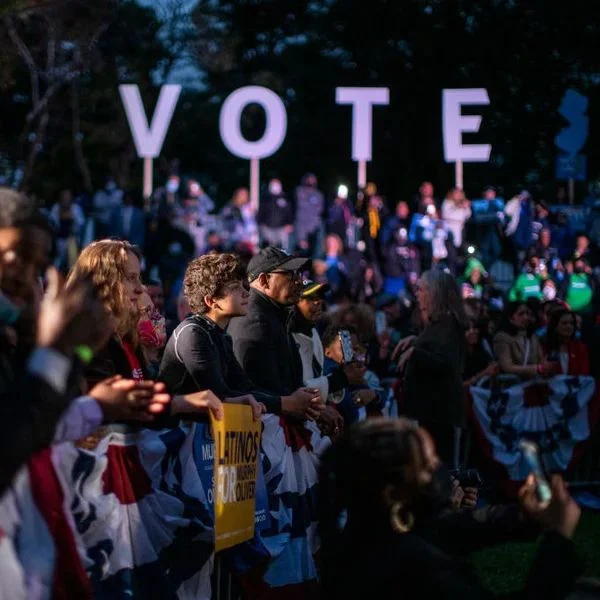


What Research Reveals About Hope in Fragile State is that hope continues to survive even in difficult environments marked by conflict, political instability, or weak institutions. Studies across Africa, the Middle East, and parts of Asia show that people living in fragile contexts often rely on community networks, faith systems, and local leadership structures to maintain confidence in the future. These insights demonstrate that hope is not accidental it’s shaped by social ties, shared goals, and cultural identity.
Insights from Global Findings
Resilience Patterns and Coping Strategies
A critical finding in What Research Reveals About Hope in Fragile State is the importance of collective resilience. Families, youth groups, neighborhood associations, and women’s networks help individuals navigate unpredictable realities. These support systems reduce emotional strain and strengthen determination. They also provide practical assistance, such as information sharing, small savings groups, and informal job networks.
Psychologists call this “buffered hope ”optimism strengthened by the people around you. Studies show that communities that maintain strong social ties report higher levels of mental well-being, even when economic indicators are low.
Community Trust and Local Leadership
Research also highlights how trust influences hope. Communication from religious leaders, community elders, humanitarian groups, and civil society organizations heavily affects public sentiment. Where leadership is seen as credible, transparent, and community-centered, hope flourishes. Conversely, where corruption, insecurity, or unresponsiveness dominate, hope diminishes.
Trust and legitimacy in leadership are therefore essential for fostering positive outlooks in fragile environments. Initiatives that combine governance accountability with community engagement see stronger signs of hope and collective action.
Youth Expectations and Social Mobility
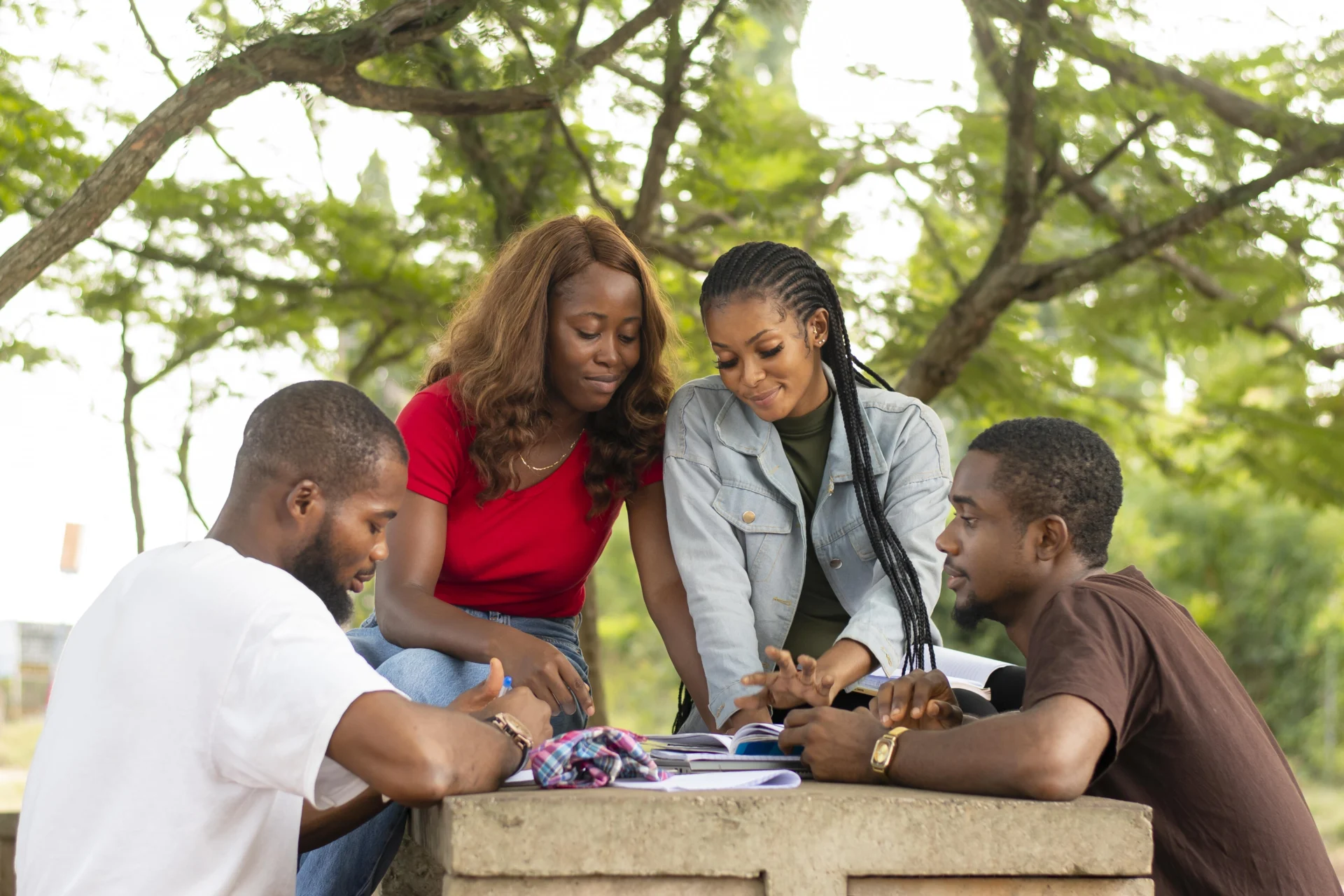
Youth are central to hope in fragile contexts. Surveys show that even under economic and political pressure, young people remain optimistic when they have access to education, skills development, and entrepreneurship opportunities.
Digital platforms and social media amplify youth voices, enabling participation in debates, civic projects, and innovative ventures. Young people often drive social change, organize community projects, and launch micro-businesses, demonstrating that hope is not only an emotional response but a driver of tangible action.
Emotional Strength & Cultural Anchors
Belief Systems, Identity, and Social Values
Another key insight in What Research Reveals About Hope in Fragile State is the role of cultural and spiritual values. Faith, traditions, and shared histories provide emotional grounding. They help individuals interpret hardship as a temporary stage rather than permanent defeat. This is sometimes called meaning-based hope, where motivation is derived from life’s purpose despite adversity.
Local Innovation and Creative Problem-Solving
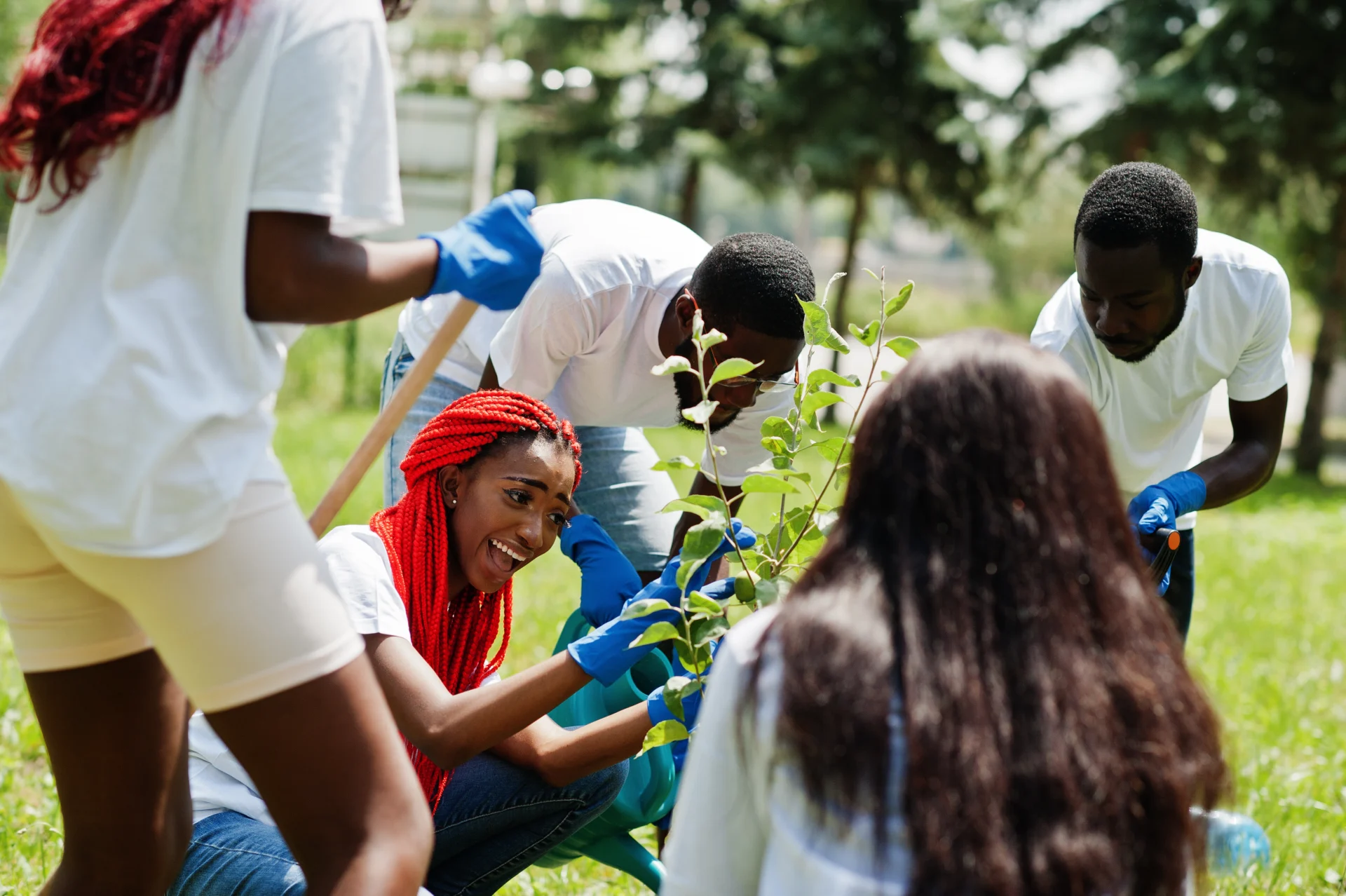
Even in resource-limited settings, innovation flourishes. Grassroots initiatives, especially led by women and youth, create small enterprises, safety nets, and community programs that address pressing local needs. These initiatives prove that hope triggers practical solutions, strengthens resilience, and inspires collective action.
Examples include local savings cooperatives in West Africa, youth-led digital learning hubs in the Middle East, and women-led farming initiatives in fragile regions of Asia. Each demonstrates hope transforming into sustainable outcomes.
International Support and Policy Implications
What Research Reveals About Hope in Fragile State also shows that external support matters. Development agencies and NGOs that align interventions with local priorities supporting youth, empowering women, or strengthening community institutions amplify hope rather than undermine it. Policies focused on inclusive participation, transparency, and social cohesion yield better outcomes than purely material aid.
Why This Matters for Development Actors
Across studies, What Research Reveals About Hope in Fragile State is that hope is both emotional and practical. It influences decision-making, shapes community behavior, and affects how societies rebuild after crisis. For policymakers, NGOs, donors, and social researchers, understanding hope is essential. It guides program design, strengthens engagement, and ensures interventions speak to what people value most.
When hope is intentionally supported through trust building, youth engagement, and inclusive leadership fragile states can move toward stability and growth.
Transform Insight Into Action
For deeper insights, human-centered analysis, and stories from fragile and emerging regions, Discover research that transforms understanding into real impact.