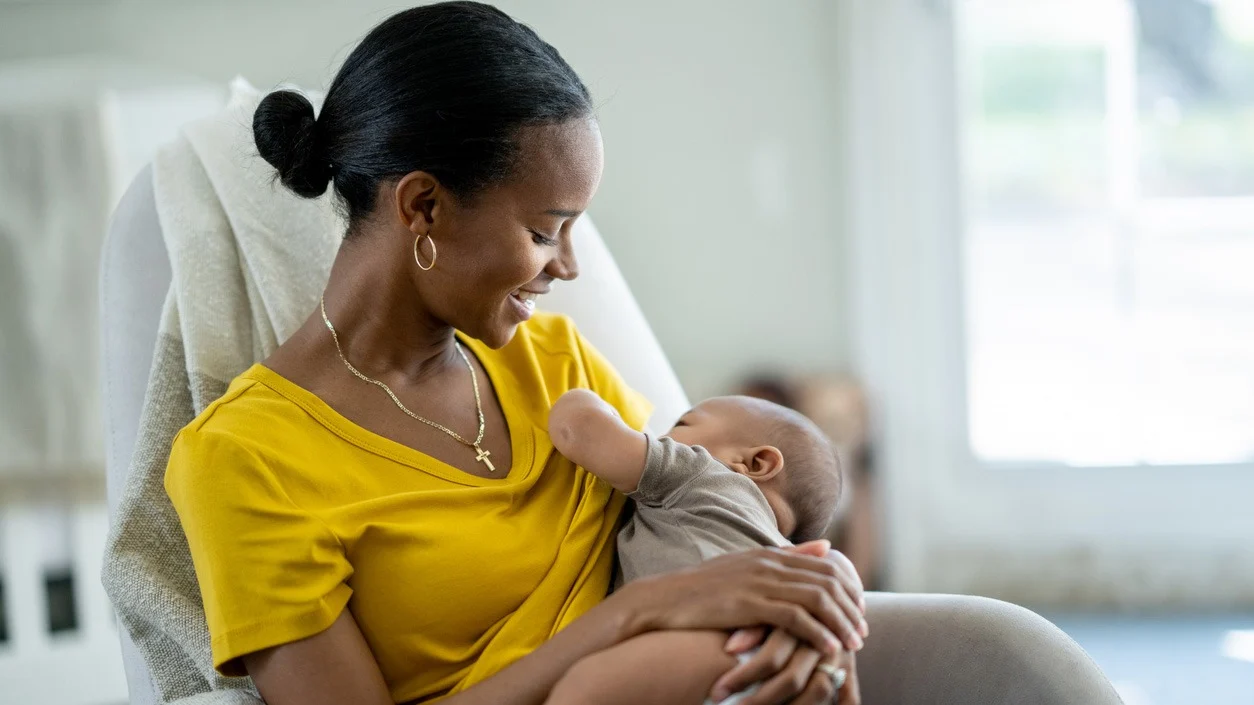
This August, World Breastfeeding Week 2026 reminds the world that breastfeeding is more than a personal decision between a mother and her child. It is one of the most effective public health interventions available one that influences survival, nutrition, education, economic development, and national productivity.
For decades, researchers have demonstrated that supporting breastfeeding leads to healthier children, healthier mothers, and stronger communities. Yet millions of families continue to face barriers such as inadequate maternity protection, workplace discrimination, misinformation, limited healthcare support, and unequal access to quality maternal services.
World breastfeeding week 2026 is more than a celebration. It is a call to strengthen the systems that help families succeed from hospitals and workplaces to governments and development programs.
For organizations working in monitoring and evaluation, public health, and social development, the question is no longer whether breastfeeding matters. The real question is:
How do we know our programs are making a measurable difference?
Why World Breastfeeding Week 2026 Matters
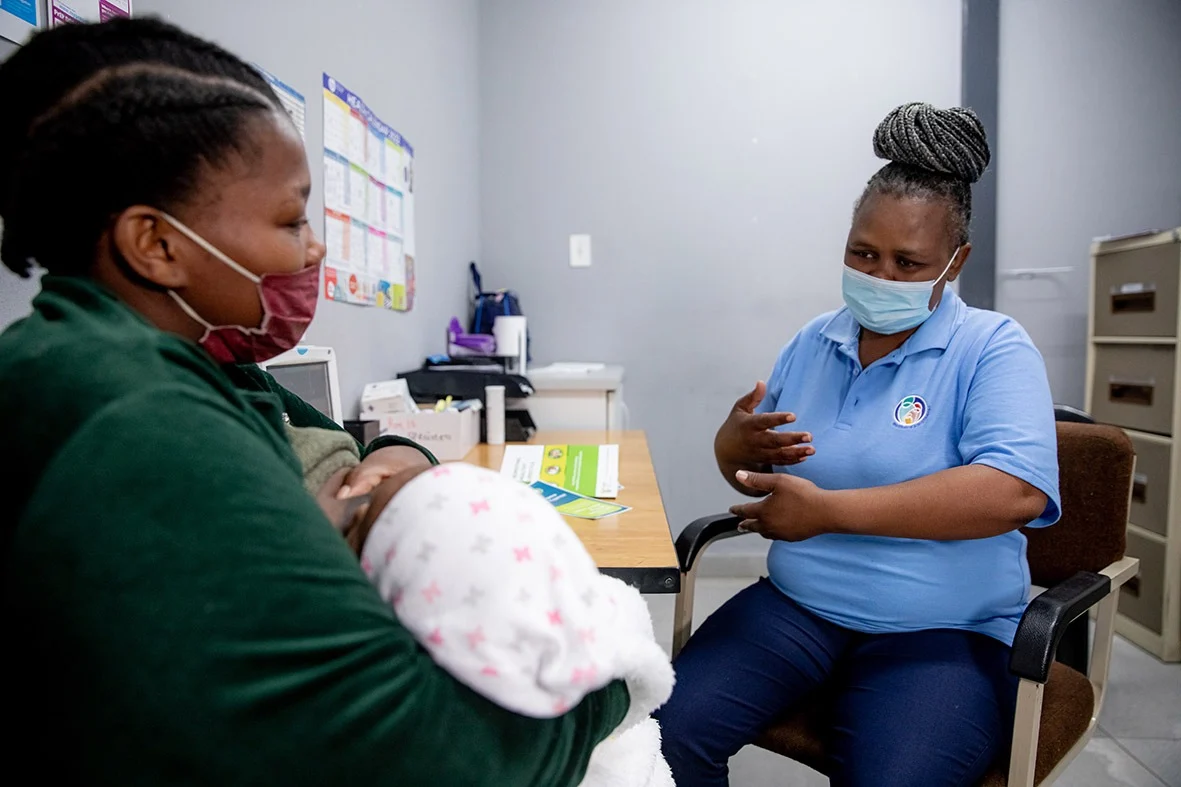
Organized annually by the World Alliance for Breastfeeding Action (WABA) in collaboration with the World Health Organization (WHO) and UNICEF, World Breastfeeding Week raises awareness about breastfeeding while encouraging governments, healthcare providers, employers, and communities to invest in policies that support mothers and babies.
World breastfeeding week 2026 campaign serves as a reminder that improving breastfeeding outcomes requires collective action not only from mothers but also from health systems, employers, policymakers, researchers, and communities.
According to the WHO, breastfeeding is one of the most cost-effective ways to improve child survival and health worldwide. Yet global progress remains uneven, with many countries still working to improve exclusive breastfeeding rates and create environments where mothers receive the support they need.
What the Evidence Shows
Evidence not assumptions should guide health programs.
According to the World Health Organization and UNICEF:
- Global exclusive breastfeeding rates during the first six months have risen from approximately 37% in 2012 to more than 47% today.
- Every US$1 invested in breastfeeding support generates an estimated US$59 in economic returns through improved health, education, and productivity.
- Scaling up breastfeeding support worldwide could prevent hundreds of thousands of child deaths and more than 100,000 maternal deaths every year.
These figures demonstrate that breastfeeding is not simply a nutrition issue. It is an investment in human capital.
Seven Powerful Reasons Breastfeeding Builds Healthier Communities
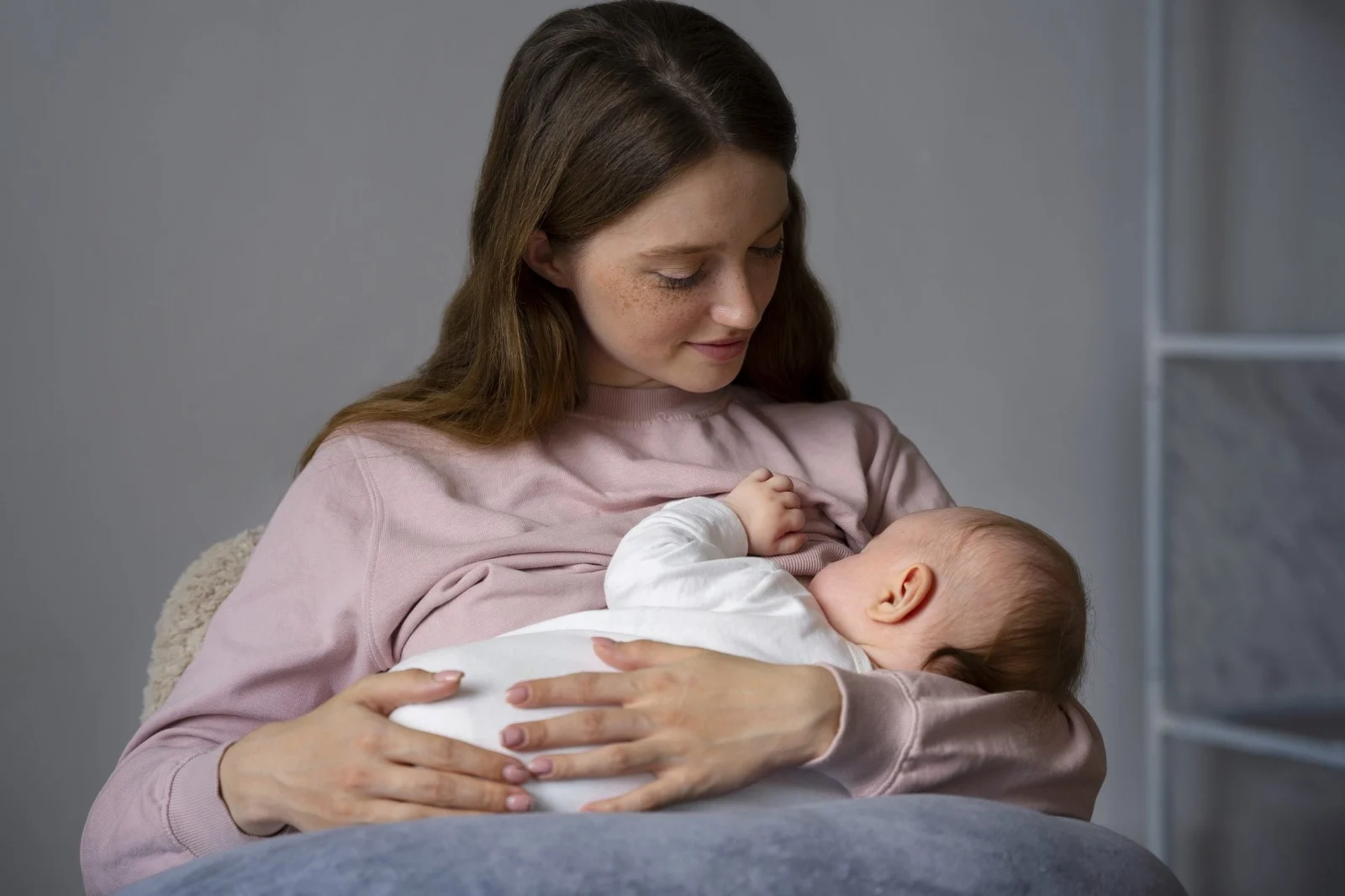
1. It Gives Children the Strongest Possible Start
Breast milk provides the nutrients babies need during the earliest stages of life while supporting healthy growth and development.
It also contains antibodies and bioactive components that help strengthen infants’ natural immune systems, reducing vulnerability during the critical first months of life.
A healthier beginning often translates into healthier childhoods.
2. It Improves Maternal Health
Breastfeeding benefits mothers as well as babies.
Research shows that breastfeeding contributes to postpartum recovery and is associated with a lower risk of several long-term health conditions.
However, these benefits are only achievable when mothers receive adequate healthcare, counselling, family support, and workplace flexibility.
Supporting mothers is essential to improving outcomes.
3. It Reduces Pressure on Healthcare Systems
Preventing illness is often more effective and less expensive than treating it.
Communities with stronger breastfeeding support frequently experience lower healthcare costs associated with preventable childhood illnesses, easing pressure on health facilities while improving quality of life.
This makes breastfeeding not only a health intervention but also a smart economic investment.
4. It Supports Sustainable Development
Breastfeeding requires no manufacturing plants, transport networks, packaging waste, or fuel for preparation.
Compared with many feeding alternatives, breastfeeding has a significantly smaller environmental footprint.
Supporting breastfeeding contributes to several Sustainable Development Goals, including good health, reduced inequalities, responsible consumption, and poverty reduction.
Healthy children also become healthier learners, workers, and citizens.
5. It Strengthens Families
Families benefit when mothers receive practical and emotional support.
Partners, grandparents, employers, healthcare workers, and community leaders all influence breastfeeding success.
When societies create breastfeeding-friendly environments, families experience greater confidence, reduced stress, and improved wellbeing.
Breastfeeding should never be viewed as a mother’s responsibility alone.
6. Data Helps Us Understand What Really Works
Awareness campaigns are important.
But awareness alone does not tell us whether programs improve breastfeeding rates or reach the mothers who need support most.
This is where monitoring, evaluation, and social research become indispensable.
Reliable data answers critical questions such as:
- Are mothers receiving breastfeeding counselling?
- Which communities have the lowest breastfeeding rates?
- Which interventions produce lasting behavioural change?
- How effective are national breastfeeding policies?
- Are investments producing measurable health outcomes?
Without evidence, programs risk relying on assumptions instead of measurable impact.
7. Better Decisions Begin with Better Research
Public health programs succeed when decisions are informed by accurate evidence.
Household surveys, qualitative interviews, impact evaluations, community assessments, baseline studies, endline evaluations, and policy research all contribute to a better understanding of maternal and child health.
These insights help governments, NGOs, donors, and healthcare providers allocate resources more effectively while ensuring that interventions reach those who need them most.
In today’s development landscape, data is no longer optional.
It is essential.
Beyond Awareness: Why Monitoring and Evaluation Matter
Every year, governments and development partners invest millions in maternal and child health programs.
Yet an important question remains:
Are these investments changing lives?
Monitoring and evaluation provide the evidence needed to answer that question.
Strong M&E systems help organizations:
- Measure programme effectiveness
- Monitor breastfeeding indicators
- Evaluate policy implementation
- Improve accountability
- Identify underserved communities
- Inform evidence-based decision-making
- Demonstrate impact to funders and stakeholders
For maternal and child health initiatives, good intentions are not enough.
Measurable results matter.
Our Role At Insight and Social
Improving maternal and child health requires more than collecting data.
It requires understanding people, communities, behaviours, and outcomes.
At Insight and Social, we partner with governments, NGOs, international development agencies, and healthcare organizations to generate the evidence needed for smarter decisions.
Our expertise includes:
- Monitoring and Evaluation
- Baseline and Endline Studies
- Health Systems Research
- Social and Behavioural Research
- Impact Assessments
- Qualitative and Quantitative Studies
- Policy Evaluation
- Community Engagement Research
Whether assessing maternal health interventions, evaluating nutrition programmes, or measuring community impact, our work helps organizations turn evidence into action.
The fact
World Breastfeeding Week 2026 is not simply about encouraging mothers to breastfeed.
It is about creating systems that make breastfeeding possible.
It is about ensuring that healthcare workers have the resources they need.
It is about giving employers the tools to support working mothers.
It is about helping policymakers invest where the evidence is strongest.
And above all, it is about recognizing that healthier societies begin with healthier starts in life.
When we strengthen breastfeeding support, we strengthen families.
When we strengthen families, we strengthen communities.
And when we measure what matters, we create better futures for everyone.
You Need us
At Insight and Social, we believe every successful health program begins with reliable evidence. Through monitoring and evaluation, impact assessments, and social research, we help governments, NGOs, healthcare providers, and development partners understand what works, improve program performance, and achieve measurable results.
If your organization is implementing maternal and child health, nutrition, or community development programs, partner with Insight and Social to transform data into meaningful insights that drive lasting impact.