

In a world shaped by data, decisions, and dominant narratives, marginalized voices often go unheard. But social research when done ethically and inclusively has the power to shift this reality. By amplifying voices from the margins, social research can challenge inequity, inform just policies, and spark real change. In this blog post, we explore how this transformative process works and why it’s essential today.
Understanding Marginalization and the Role of Research

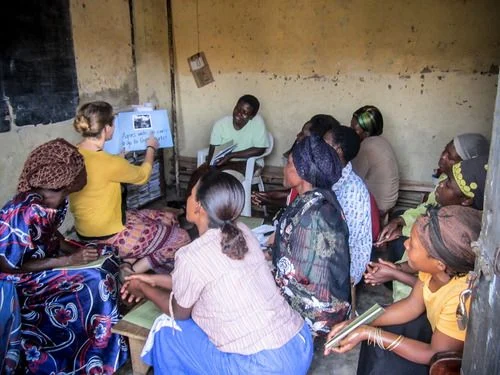
Marginalized groups such as Indigenous peoples, refugees, people with disabilities, and low-income communities often lack access to platforms that influence decisions. Social research, particularly community-based participatory research (CBPR) and qualitative inquiry, enables researchers to center lived experiences rather than sideline them.
Key Points:
- Marginalization isn’t just social; it’s structural.
- Traditional research often extracts data; ethical social research elevates experience.
- Listening becomes a method; empowerment becomes a goal.
How Social Research Gives Power to the Silenced

Social research amplifies voices from the margins by:
- Documenting lived realities through in-depth interviews, storytelling, and ethnography.
- Elevating local knowledge as valid and essential evidence.
- Collaborating with communities, allowing co-ownership of the research process and its outcomes.
- Influencing decision-makers by translating real experiences into actionable recommendations.
Best Methods for Inclusive Social Research
To truly amplify marginalized voices, researchers must:
- Use participatory methods where communities define priorities.
- Adopt intersectional frameworks that account for race, class, gender, and ability.
- Ensure feedback loops and transparency throughout the research cycle.
- Prioritize ethics and accountability participants are not subjects, but partners.
“Nothing about us without us” a guiding principle for inclusive research.
Building a More Equitable Future Through Research
When done right, social research doesn’t just study people it collaborates with them. It uncovers hidden truths, dismantles dominant narratives, and amplifies voices from the margins to drive meaningful change. In a world increasingly shaped by inequality, exclusion, and data-driven decision-making, inclusive research is no longer optional it’s essential. It is the bridge between lived experience and lasting impact.
By centering the people most often left out, we don’t just gather better insights we help build a more just, empathetic, and equitable future.
Partner With Experts in Inclusive Research
At Insight and Social, we believe research should serve the people it represents. As a global leader in social research, we specialize in community-based, participatory, and equity-centered methodologies that ensure marginalized voices aren’t just heard they lead the conversation.
We collaborate with governments, NGOs, academic institutions, and grassroots organizations to turn data into real-world impact.
Ready to Amplify Voices That Matter?
Contact Insight and Social to discuss your next research initiative or learn how our methods can strengthen your impact