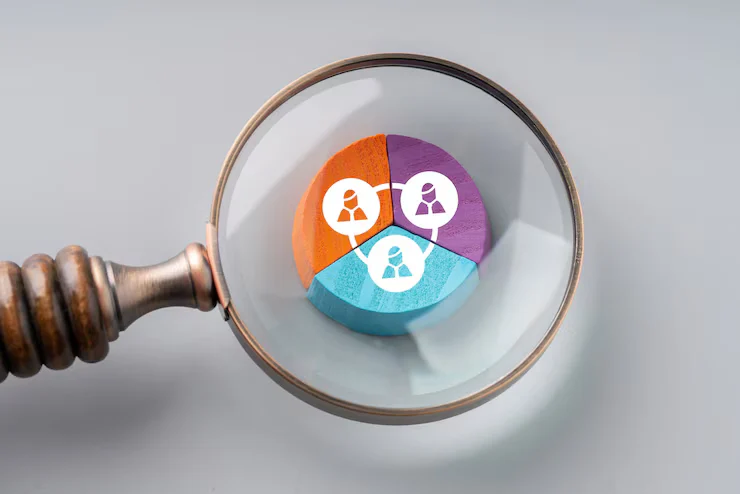



Invisible Impact is one of the greatest challenges in global mental health evaluation. Unlike physical health programs where success can be counted in vaccines administered or surgeries completed mental wellness often reveals itself in subtle, deeply personal ways:
- A survivor who finally sleeps through the night.
- A teenager who no longer avoids eye contact.
- A frontline worker who breathes before breaking down.
- A refugee who speaks instead of withdrawing.
These moments are profound yet rarely captured in traditional M&E systems.
So how do we measure healing when the evidence is inward?
How do we document transformation when success looks like silence, calm, or sleep?
At Insight and Social, we believe Invisible Impact is still impact and it can be measured when approached with sensitivity, innovation, and dignity.
1. Track Emotional Stability, Not Just Emotional Intensity
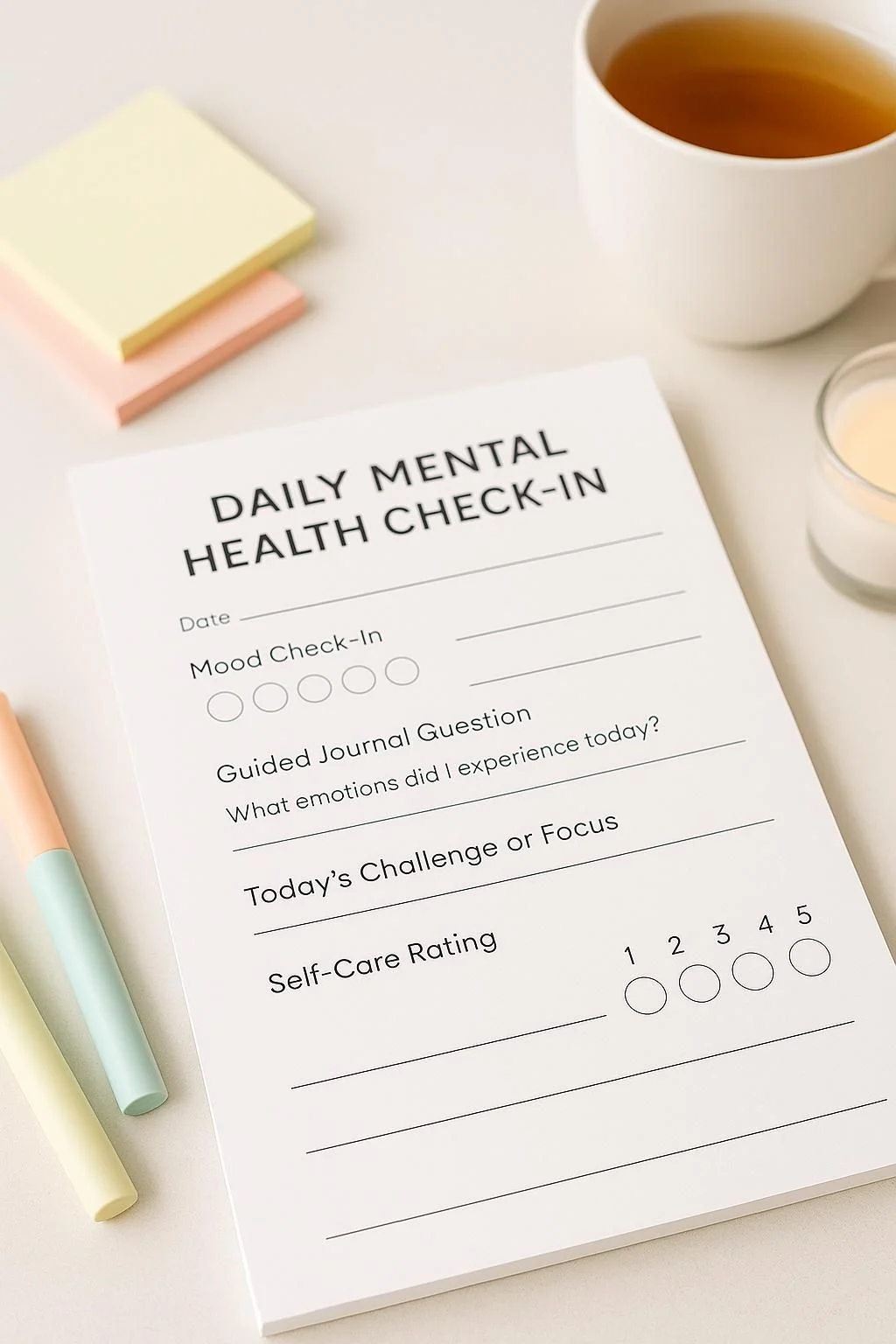
Instead of waiting for dramatic breakthroughs, evaluators should track consistency of emotional wellbeing fewer panic episodes, reduced absenteeism, longer moments of calm.
Stability becomes measurable progress.
2. Use Narrative Evidence as Data
Stories, voice notes, reflection diaries, and safe-space interviews can reveal Invisible Impact better than checkboxes. A participant saying “I feel safe now” is data narrative data.
Stories are evidence with soul.
3. Measure Restorative Behaviors, Like Sleep, Appetite, or Social Interaction

Success might be more meals eaten, more hours slept, or more conversations initiated. These “soft indicators” are often life changing.
Sleep can be statistical proof of progress.
4. Evaluate Relationships as Mirrors of Recovery

Mental health recovery is often visible in how people reconnect with others reduced anger, increased cooperation, and willingness to participate.
Improved interaction is proof of internal healing.
5. Share Ownership of Success Metrics-Let Participants Define Progress
Instead of imposing metrics, ask beneficiaries what healing looks like for them. Some may say “I want to stop crying at work.” Others may say “I just want to feel normal again.”
When people define success, evaluation becomes empowerment.
6. Incorporate Physiological Signals Where Possible
Wearables, sleep trackers, or stress monitors can provide biometric validation of calm heart rate reduction, longer sleep cycles, and steady breathing.
Science can validate Invisible Impact.
7. Train Evaluators in Trauma-Informed Data Collection
The quality of mental health measurement depends on how questions are asked. Enumerators and M&E officers must be trained to listen without triggering, collect without re-traumatizing.
Compassion is a data collection tool.
If We Don’t Measure Invisible Impact, We Risk Erasing It
Mental health programs are saving lives every day quietly. If we only reward the loud outcomes, we ignore the real victories: soft smiles, steady hearts, peaceful nights.
At Insight and Social, we help organizations design M&E frameworks that honor the Invisible Impact with dignity, scientific rigor, and humanity.
Let’s turn Invisible Impact into undeniable evidence.
Contact Insight and Social today to build your trauma-informed mental health evaluation system.