

What social researchers notice isn’t hidden in spreadsheets or locked away in reports. It’s right there in queues, conversations, silences, and habits we barely think about.
On a normal day, most people see routine.
Social researchers see patterns, power, trust, fear, and inequality quietly playing out.
This Friday-friendly read pulls back the curtain on what social researchers notice in everyday life and why these small moments reveal big social truths.
1. Who Waits Patiently and Who Doesn’t

Queues are social laboratories.
Social researchers notice:
- Who feels entitled to skip
- Who apologizes for taking space
- Who complains loudly vs who stays silent
These behaviors often reflect class, gender, age, and trust in systems. Where people expect fairness, they wait. Where they don’t, they negotiate, push, or opt out.
2. Who Talks First in Meetings
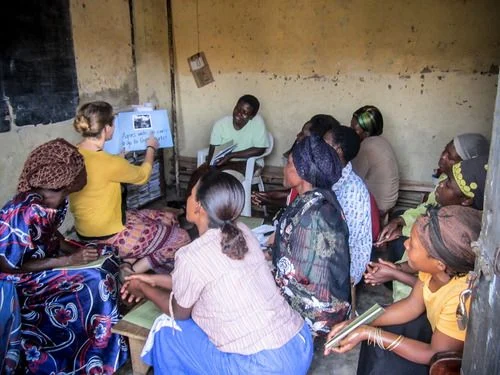
In meetings community forums, workshops, even Zoom calls social researchers notice who speaks first and who never speaks at all.
Silence often signals:
- Power imbalance
- Fear of consequences
- Learned exclusion
This is why participation data alone is misleading. Social research asks who feels safe enough to speak and why.
3. What People Say Online vs What They Do Offline
Social media is loud. Real life is quieter.
Social researchers notice the gap between:
- Public opinions online
- Private decisions offline
People may post outrage, but still avoid surveys, town halls, or voting. This gap explains why online sentiment often fails to predict real-world behavior a key insight for policy and M&E work.
Public Fatigue with Politics article on Insight and Social
4. How People Answer “Sensitive” Questions

Ever noticed how people pause before answering certain questions?
Social researchers notice:
- Overly positive answers
- Nervous laughter
- “Safe” responses
This isn’t dishonesty it’s social desirability bias. People answer in ways that protect them socially. That’s why observation, trust-building, and mixed methods matter.
5. Who Trusts Systems and Who Doesn’t
From banking apps to health services, social researchers notice who uses systems confidently and who avoids them.
Avoidance often signals:
- Past exclusion
- Institutional failure
- Fear of punishment
Low uptake is rarely ignorance. It’s usually experience.
6. What People Do When No One Is Watching

Behavior changes when observation disappears.
Social researchers notice:
- How rules are followed (or ignored)
- How public resources are treated
- How norms shift without enforcement
This is why behavioral data often tells a more honest story than opinions.
7. Silence Is Data Too
One of the most important things social researchers notice is silence.
Who didn’t respond?
Who dropped out?
Who refused to participate?
Silence often reflects:
- Distrust
- Fatigue
- Fear
- Disengagement
Ignoring silence leads to biased conclusions. Studying it leads to better insight.
Seeing the Ordinary Differently
What social researchers notice isn’t magic it’s attention.
By observing everyday life carefully, social research turns ordinary behavior into evidence that improves policy, programs, and decision-making.
Understanding what social researchers secretly notice in everyday life helps organizations, governments, and NGOs design interventions that actually reflect how people live, decide, and interact.
So next time you’re stuck in traffic, waiting in a queue, or scrolling online remember society is speaking. You just have to know how to listen.
Turning Everyday Behavior into Actionable Insight
Insight and Social conducts rigorous social research, public opinion studies, and monitoring and evaluation to help development institutions, NGOs, and policymakers understand how people actually live, decide, and engage. Partner with us to translate social behavior into evidence that informs action.