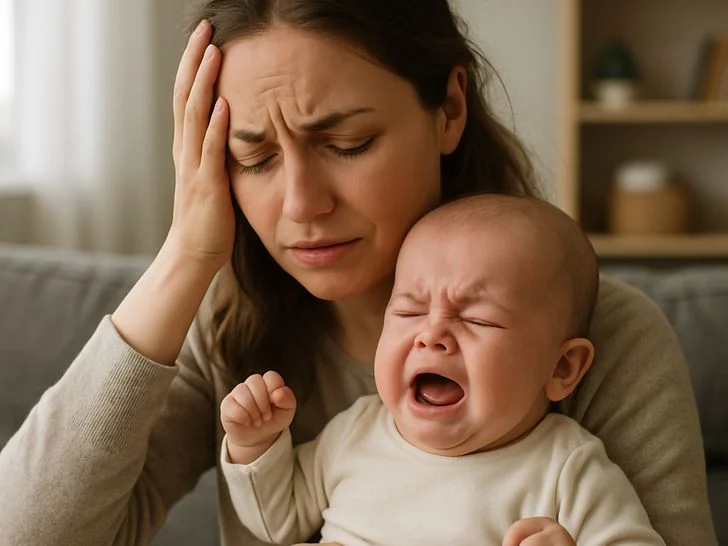

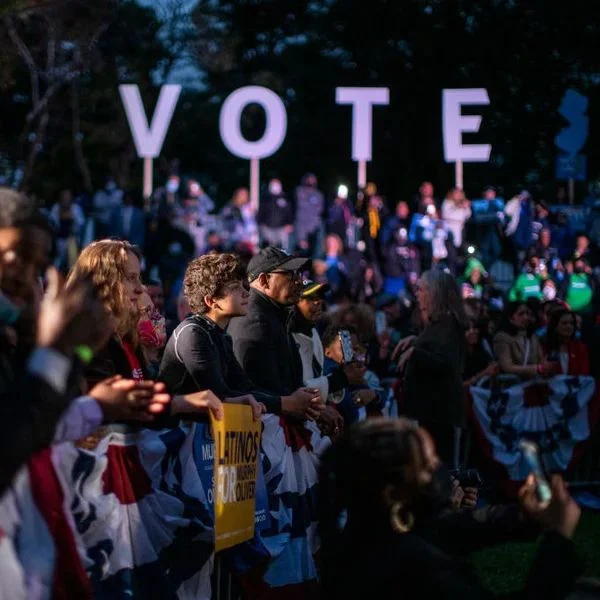
Public fatigue with politics is no longer subtle. Across Africa, Europe, and parts of the Global South, voter turnout is declining, political conversations are thinning out, and citizens are quietly withdrawing from civic life even in countries that have recently held elections.
From Nigeria and Senegal to Kenya, South Africa, Uganda and beyond, elections still happen, but enthusiasm does not follow. This shift is often labeled apathy. Social research tells a more uncomfortable truth: political disengagement is increasingly a rational response to repeated disappointment, unmet expectations, and institutional fatigue.
This article examines public fatigue with politics not as indifference, but as a socially learned survival strategy and explores what this means for democracy and social cohesion.
Political Withdrawal Is Not the Same as Apathy
One of the biggest analytical mistakes is confusing silence with indifference.
Public fatigue with politics reflects:
- Emotional exhaustion
- Learned distrust
- Repeated exposure to broken promises
Citizens are not disengaged because they don’t care. They disengage because caring has become costly.
From a social research perspective, withdrawal is often protective behavior, not civic failure.
Post-Election Disappointment as a Pattern
Recent elections across Africa and beyond have followed a familiar cycle:
- High expectations
- Intense campaigning
- Electoral participation
- Rapid post-election disillusionment
In Nigeria and Senegal, for example, elections generated strong youth interest followed by swift emotional withdrawal when outcomes failed to match expectations.
Public fatigue with politics emerges when this cycle repeats without meaningful institutional change.
When Participation Stops Feeling Effective
Democracy relies on the belief that participation matters.
Public fatigue with politics grows when citizens perceive that:
- Votes don’t translate into accountability
- Institutions remain unresponsive
- Power feels distant and insulated
At this point, disengagement becomes a rational recalibration, not laziness.
People conserve emotional energy where outcomes feel predetermined.
The Emotional Cost of Caring Too Much
Social research increasingly points to political burnout.
Citizens experience:
- Anger without resolution
- Hope without reward
- Engagement without impact
Public fatigue with politics is often the result of emotional overinvestment in systems that fail to reciprocate trust.
Disengagement becomes a form of emotional self-preservation.
Youth Are Not Apathetic: They Are Recalculating
Young people are often blamed for declining civic participation. Evidence suggests otherwise.
Across Nigeria, Kenya, South Africa, and even established democracies:
- Youth remain politically aware
- They follow events closely
- They distrust formal political channels
Public fatigue with politics among youth reflects strategic distancing, not ignorance.
They redirect energy into:
- Migration
- Digital spaces
- Economic survival
Social Media Did Not Fix Political Fatigue

Digital platforms amplified political voices, but they also intensified fatigue.
Constant exposure to:
- Polarization
- Disinformation
- Online harassment
has accelerated public fatigue with politics.
Instead of empowerment, many users now experience digital political overload, leading to silence rather than action.
What This Means for Democracy
Public fatigue with politics has serious implications:
- Lower voter turnout
- Reduced accountability pressure
- Shrinking civic participation
Democracy risks becoming procedural rather than participatory.
When citizens disengage quietly, systems lose corrective feedback.
The Threat to Social Cohesion
Beyond democracy, public fatigue with politics affects:
- National trust
- Collective identity
- Social solidarity
When people stop believing in shared political futures, societies fragment into private survival strategies.
This weakens long-term stability.
Rebuilding Trust Requires More Than Elections
The solution to public fatigue with politics is not more campaigns or slogans.
Social research suggests recovery requires:
- Institutional responsiveness
- Tangible post-election accountability
- Inclusion beyond election cycles
Without this, disengagement will deepen quietly but steadily.
Conclusion: Silence Is a Signal
Public fatigue with politics is not a crisis of interest.
It is a crisis of belief.
Citizens are not turning away because they don’t care they are turning away because systems have not earned continued emotional investment.
Understanding this distinction is essential for rebuilding democracy, restoring trust, and strengthening social cohesion.
Evidence for Democratic Resilience
Insight and Social conducts rigorous social research, political analysis, and monitoring and evaluation to help development institutions, governments, and NGOs understand civic behavior, trust, and participation. We partner with organizations to generate evidence that strengthens democratic practice and social cohesion. Contact us today!