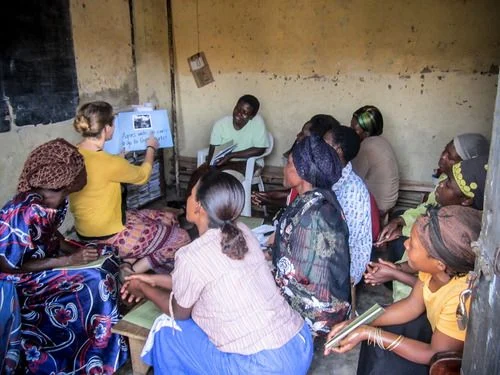


Social research has evolved into one of the most powerful decision-making tools in today’s complex and unpredictable world. Governments face growing citizen expectations, NGOs operate within layered social realities, and brands must connect with increasingly conscious and dynamic consumers. Across all sectors, one truth remains consistent: decisions that ignore human context rarely succeed.
Beyond statistics and surface-level metrics, social research explores the beliefs, motivations, fears, aspirations, and lived experiences that shape behavior. It explains the gap between awareness and action, policy intent and community response, product availability and actual adoption.
This is why leading institutions no longer ask whether social research is necessary they ask how deeply it should be integrated into strategy.
By transforming human experiences into structured insight, social research enables governments, NGOs, and brands to design initiatives that are not only effective but also trusted, inclusive, and sustainable.
Revealing the Reality Behind Assumptions

One of the most common reasons policies, development programs, and brand initiatives fail is the reliance on assumptions formed within organizational environments rather than lived community realities.
Social research challenges these assumptions by uncovering the invisible forces influencing behavior cultural expectations, power structures, economic pressures, informal support systems, and deeply rooted beliefs.
For governments, this might mean understanding why citizens resist otherwise beneficial policies.
For NGOs, it may involve identifying hidden barriers preventing program participation.
For brands, it often reveals emotional and social drivers influencing purchasing decisions beyond price or accessibility.
This depth of understanding prevents costly missteps and ensures strategies reflect real experiences rather than perceived realities.
Designing Truly People-Centered Policies and Programs
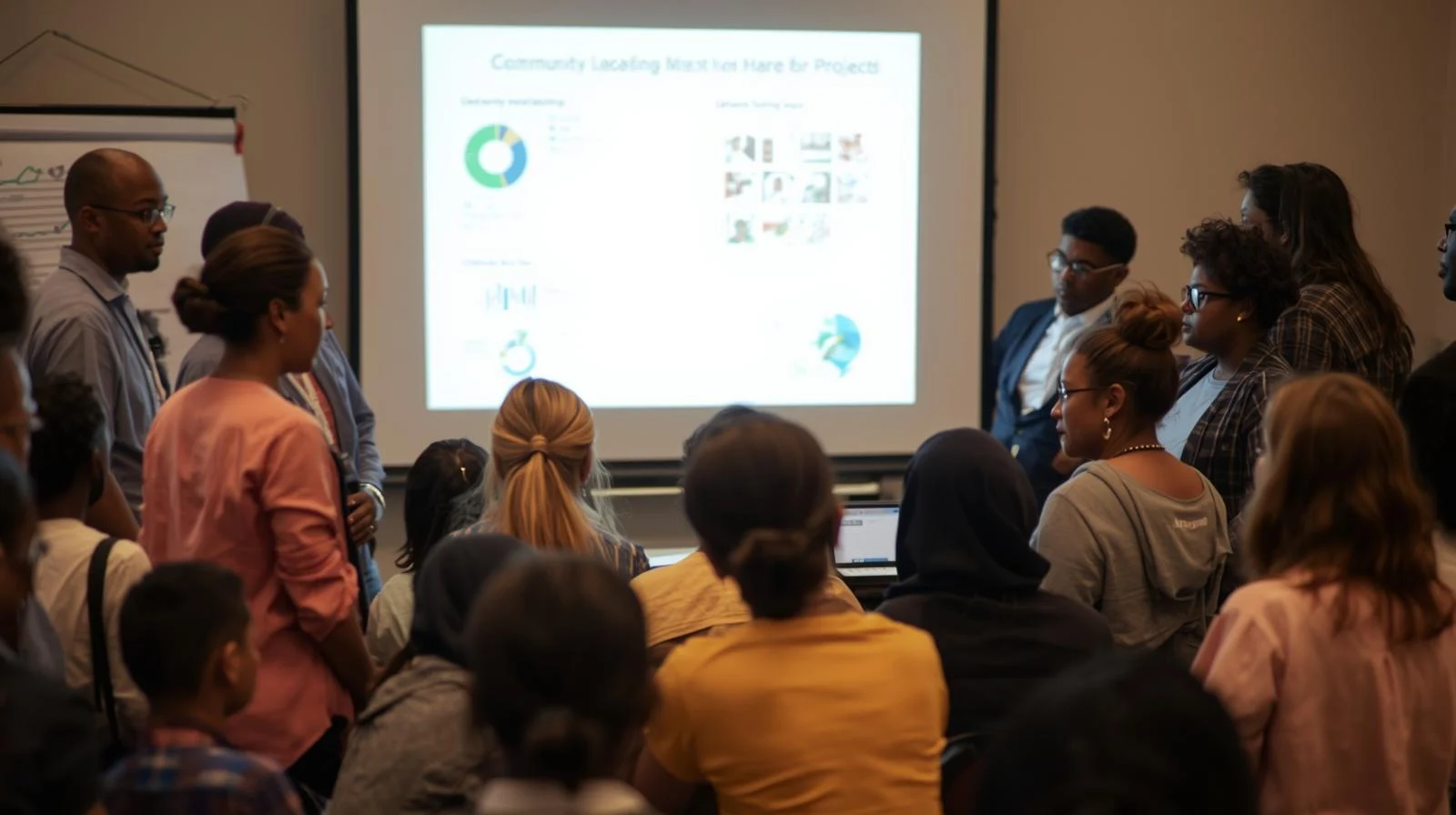
Impact is rarely determined by the scale of an initiative but by its relevance to the people it intends to serve.
Social research introduces community voices into decision-making processes, enabling organizations to design policies and programs that feel collaborative rather than imposed. It highlights priority needs, identifies overlooked groups, and reveals contextual nuances that influence acceptance.
For NGOs and development agencies, this approach strengthens program ownership and long-term sustainability. For governments, it improves policy legitimacy and reduces resistance. For brands, it leads to solutions that integrate naturally into daily life.
People-centered design powered by social research shifts development and innovation from delivery-focused to experience-focused, significantly improving outcomes.
Strengthening Trust, Legitimacy, and Public Engagement
Trust has become one of the most valuable and fragile assets across sectors. Misinformation, historical experiences, and perception gaps often shape how communities respond to institutions more than factual information does.
Social research helps organizations understand how trust is formed, where it is broken, and how it can be rebuilt. It examines communication credibility, emotional triggers, and community influencers who shape opinion and behaviour.
This insight allows governments to communicate policies in ways that resonate, NGOs to engage communities with authenticity, and brands to build relationships grounded in transparency and empathy.
In environments where skepticism is high, social research becomes essential not just for understanding behavior but for rebuilding confidence.
Anticipating Behavior Change and Overcoming Adoption Barriers
Awareness campaigns frequently fail because they assume knowledge automatically leads to action. Social research demonstrates that behaviour is influenced by a complex interaction of beliefs, environment, incentives, social pressure, and perceived risk.
By identifying these drivers, organizations can design interventions that address real barriers rather than surface symptoms.
For example, a health program may struggle not due to lack of awareness but because of stigma, accessibility concerns, or conflicting cultural beliefs. A financial inclusion initiative may face resistance rooted in trust deficits rather than technological limitations. A product launch may underperform because of identity perceptions rather than functional shortcomings.
Understanding these dynamics allows decision-makers to design strategies that reduce friction, strengthen motivation, and sustain long-term behavioral shifts.
Enabling Evidence-Based Resource Allocation
Scarcity is a defining reality across public, development, and private sectors. Budgets are limited, priorities compete, and the cost of ineffective investment is high.
Social research guides smarter resource allocation by identifying where interventions are most needed, which populations face the greatest barriers, and which strategies generate the strongest outcomes.
This prevents resource dilution and ensures investments are directed toward high-impact areas. It also strengthens accountability by providing evidence that supports funding decisions and demonstrates measurable value.
For NGOs and development partners, this improves donor confidence. For governments, it enhances fiscal responsibility. For brands, it maximizes return on investment while reducing strategic risk.
Driving Innovation Through Deep Human Insight

Innovation rarely emerges from data alone it emerges from understanding unmet needs and unarticulated frustrations.
Social research reveals coping strategies people develop when formal systems fail, aspirations shaping future expectations, and emotional experiences influencing decision-making. These insights often expose opportunities invisible through traditional market analysis.
Brands can design products that feel intuitive rather than disruptive. Governments can develop services that reflect real citizen journeys. NGOs can create interventions aligned with everyday survival strategies rather than theoretical frameworks.
This human-centered innovation leads to solutions that are not only adopted but also valued.
Measuring Impact Beyond Quantitative Metrics
Outputs alone cannot capture lived impact. Participation numbers, distribution figures, or awareness levels rarely explain whether an intervention meaningfully changed experiences.
Social research provides the qualitative depth needed to understand how people perceive change, why certain outcomes occur, and what unintended effects may emerge. It reveals emotional responses, perceived value, and long-term behavioural shifts that numbers cannot fully explain.
This deeper evaluation strengthens learning, improves future program design, and ensures impact measurement reflects reality rather than reporting requirements.
Why Social Research Is Increasingly Critical in a Complex World
Rapid urbanization, digital influence, migration, economic volatility, and shifting identity dynamics are making societies more layered and less predictable. Decision-makers must navigate environments where behaviour cannot be understood through demographics alone.
Social research offers a lens into these complexities, helping organizations anticipate emerging risks, understand evolving expectations, and design adaptive strategies.
In this context, social research moves from being a supportive function to becoming a strategic necessity.
The End of It All
At its core, social research is about listening with intention and acting with understanding. It transforms uncertainty into clarity, assumptions into evidence, and initiatives into meaningful experiences.
Governments gain legitimacy, NGOs strengthen impact, and brands build relevance when decisions reflect real human realities.
The organizations that will lead in the coming years are not those with the most data, but those with the deepest understanding of people.
And that understanding begins with social research.
Insight & Social partners with governments, NGOs, and organizations to uncover the human realities shaping behavior, perception, and impact.
If your decisions must resonate with real communities, social research is not optional it is foundational.
Partner with Insight & Social to generate meaningful insight, design evidence-driven strategies, and create impact that lasts.