

Why people say one thing and do another is a question that sits at the heart of human behavior. In market research, policy design, and monitoring and evaluation, this gap between what people report and what they actually do shows up again and again often with serious consequences for decision-making.
If you work in market research, policy, or monitoring and evaluation, you’ve seen it happen countless times.
People say they will buy healthier food but reach for fast options.
They say they support a policy, but don’t comply with it.
They say they prefer one brand yet consistently choose another.
This gap between words and actions is exactly why people say one thing and do another and it’s not because they’re lying.
It’s human behavior.
Understanding why people say one thing and do another is one of the most important behavioral insights for anyone trying to design better products, policies, or programs.
This blog explores why people say one thing and do another, and why this gap matters for anyone working with human data.
Let’s break it down.
1. Social Desirability Bias: The Need to Look “Good”
One of the biggest reasons people say one thing and do another is social desirability bias.
Simply put, people want to appear:
- Responsible
- Smart
- Ethical
- Informed
- “Like everyone else”
So, when asked questions in surveys or interviews, respondents often give answers they believe are acceptable, not answers that reflect what they actually do.
Examples:
- “I always recycle.”
- “Price is not important to me.”
- “I follow all the guidelines.”
In reality, behavior is often more complex and less ideal.
This doesn’t mean surveys are useless. It means that what people say is shaped by how they want to be perceived.
2. Fear, Pressure, and Social Norms Shape Responses
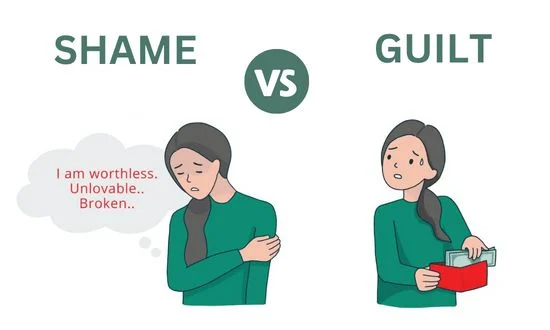
Another reason people say one thing and do another is pressure sometimes subtle, sometimes obvious.
People respond differently when:
- Authority figures are present
- They fear judgment or consequences
- Social norms push them toward a “correct” answer
In policy research, respondents may support an intervention publicly but quietly resist it in practice.
In workplace studies, employees may express satisfaction while disengaging behind the scenes.
What people say is often influenced by:
- Fear of standing out
- Desire to fit in
- Expectations of the interviewer
- Cultural norms around respect and agreement
Behavior, however, happens in real life where these pressures play out differently.
3. Intentions Are Not the Same as Actions
A key behavioral insight: intention does not equal behavior.
Many people genuinely intend to act in a certain way. When they answer surveys, they’re often answering based on:
- Who they want to be
- What they plan to do
- What feels right in the moment
But real-world constraints interfere:
- Time
- Cost
- Convenience
- Habit
- Environment
This is another reason people say one thing and do another not because of dishonesty, but because life gets in the way.
4. Why Observation Matters as Much as Surveys

If words and actions don’t always align, how do we get closer to the truth?
By observing behavior, not just asking about it.
This is why strong research designs combine:
- Surveys and interviews
- Behavioral observation
- Usage data
- Ethnographic methods
- Passive measurement
When we observe what people actually do how they choose, react, delay, or ignore we see patterns that self-reported data alone can’t reveal.
For researchers, evaluators, and policymakers, this is critical.
Understanding why people say one thing and do another helps prevent flawed conclusions and ineffective decisions.
Understanding why people say one thing and do another requires combining what people report with what they actually do in real-world settings.
What This Means for Research, Policy, and M&E
If your work depends on human behavior, this insight changes everything.
- Don’t treat self-reported data as absolute truth
- Design tools that reduce pressure and judgment
- Combine stated preferences with revealed behavior
- Pay attention to context, incentives, and constraints
When you accept that people say one thing and do another, you start designing research that reflects reality not idealized answers.
And that’s where real insight lives.
The gap between words and actions isn’t a problem to eliminate.
It’s a signal to understand.
Because when we stop asking only what people say and start paying attention to what people do, we move closer to decisions that actually work.
Why This Matters for Insight-Led Work
Understanding why people say one thing and do other sits at the heart of insight-led work from market research and policy design to monitoring and evaluation. This perspective is essential when examining why people say one thing and do another across social, market, and policy environments.
For practitioners, this gap is not an error to correct, but a signal to interpret. It reminds us to look beyond stated responses and design research that captures real behavior, real context, and real constraints.
At Insight and Social, we explore the ideas, methods, and debates shaping how evidence is generated and used. Continue exploring our insights to strengthen how you design, interpret, and act on research. Contact us today!
Explore our blogs for more past write-ups on behavioral insights, research methods, and evidence-based decision-making across social and market contexts.