
Climate change and environmental degradation are no longer distant environmental issues. They are affecting how communities live, work, farm and access basic resources.
The World Meteorological Organization’s 2026 climate update says global temperatures are expected to remain near record levels between 2026 and 2030, with a 91% chance that at least one year will temporarily exceed 1.5°C above the 1850–1900 average.
But temperature is only part of the story. The bigger issue is the 7 Shocking Impacts of climate change and how environmental change affects people.
Extreme weather
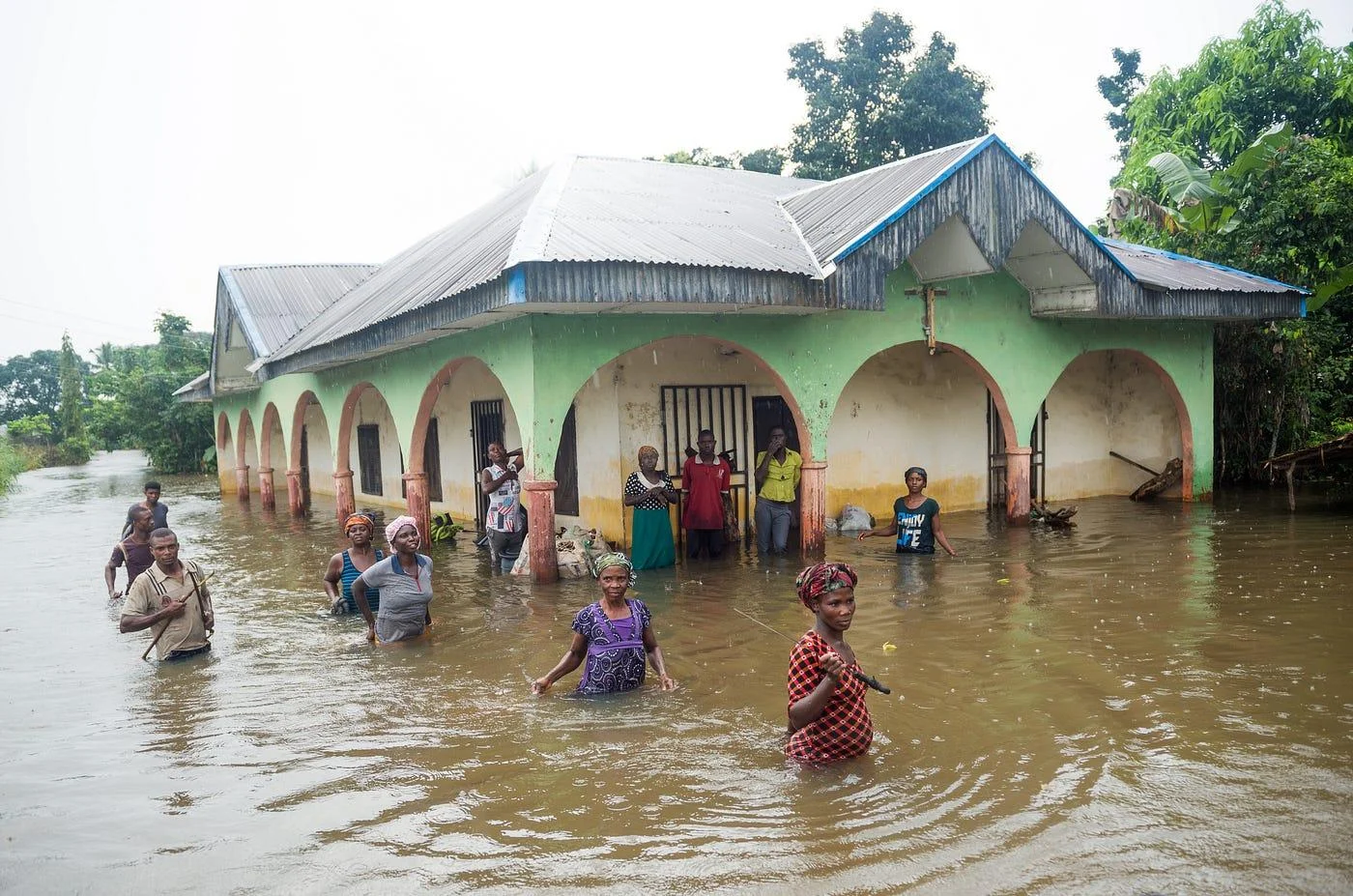
One major effect of climate change and environmental degradation is increasing pressure from extreme weather.
The IPCC’s assessment of climate change in Africa reports that heatwaves are expected to increase in magnitude and duration, while heavy rainfall and flooding risks also rise with additional warming.
For communities, this can mean damaged homes, interrupted businesses, lost crops and displacement.
A flood may last for days, but its economic and social effects can continue for months
Water pressure
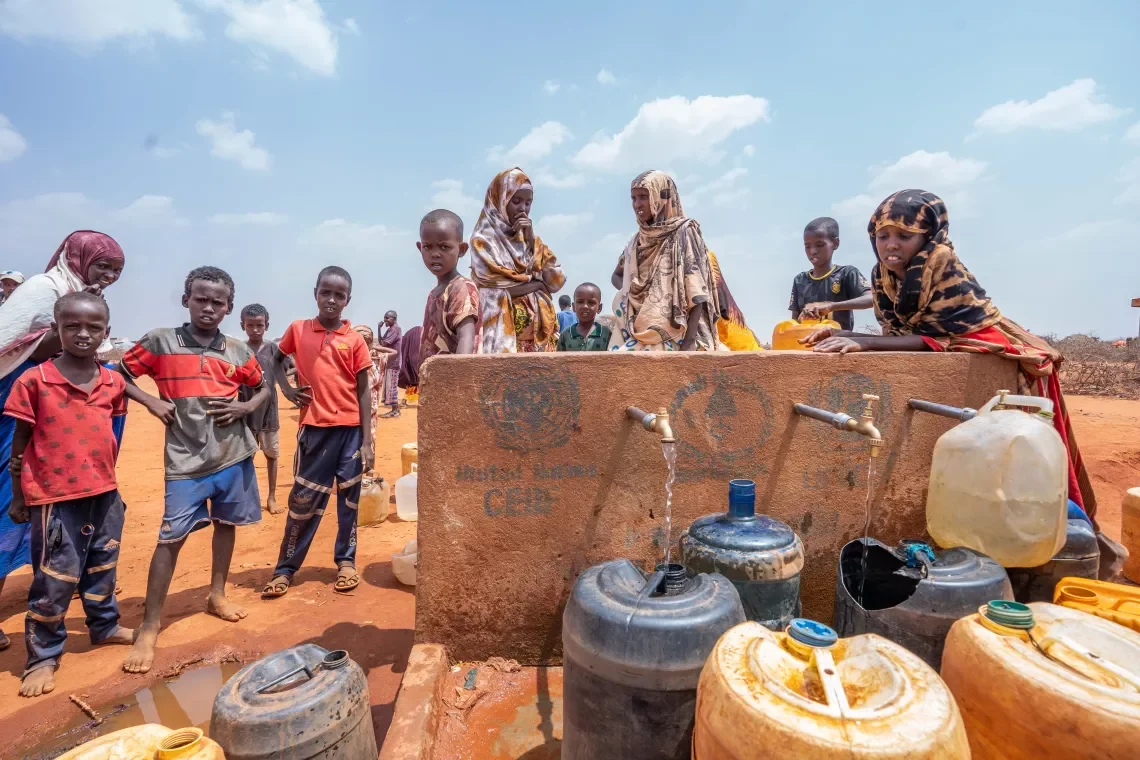
Water is another major concern.
The IPCC reports that rainfall variability and water scarcity across Africa can affect water supply, agriculture, health, energy and livelihoods.
When water becomes harder to access, households may spend more time and money finding it. Farmers can also face greater uncertainty when rainfall changes.
The challenge is therefore not only about how much water is available. It is also about who can access it and how communities adapt.
Food security
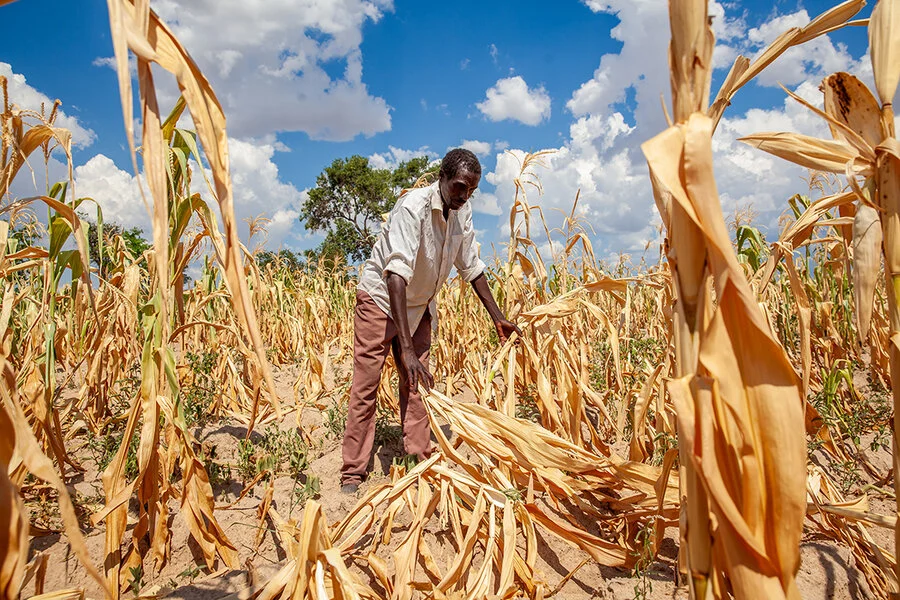
Agriculture is closely connected to climate conditions.
Rising temperatures, drought and changing rainfall can affect crops, livestock and fisheries. The IPCC’s Africa chapter identifies food-production losses among the risks facing communities that depend on climate-sensitive livelihoods.
For a farming household, a poor harvest can quickly become an income problem.
It can also affect food prices and household spending.
This is why environmental change must be examined alongside the social and economic conditions of the people experiencing it
Rising urban heat
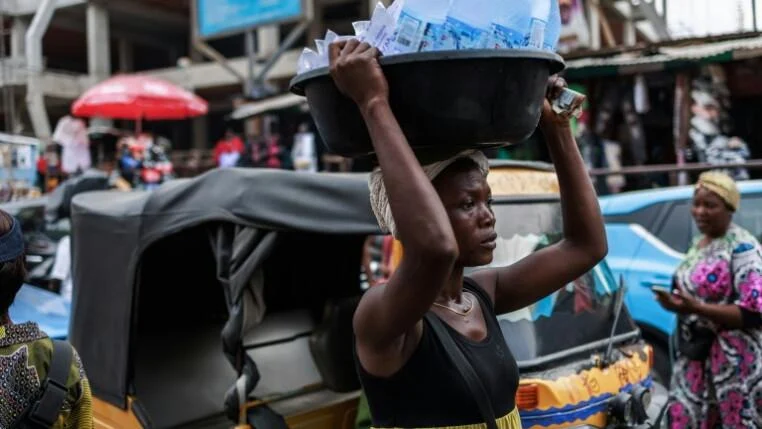
Cities face another problem: heat.
Concrete, asphalt and limited vegetation can contribute to urban heat, while the loss of green spaces can reduce natural cooling.
Research on African cities has found a relationship between higher land-surface temperatures, impervious surfaces and the distribution of green space.
The OECD also notes that trees and green spaces can help reduce heat exposure in African cities.
For more on the human effects of rising temperatures, Insight & Social’s article on extreme heat in Africa explores how heat can affect everyday life, health and productivity.
Erosion and ecosystem loss

Environmental degradation extends beyond climate change.
It also includes soil erosion, land degradation, forest loss, pollution and biodiversity decline.
The UNDP Nigeria climate and environment programme identifies climate change, air and water pollution, soil erosion, land and forest degradation and biodiversity loss as important environmental concerns in Nigeria.
When ecosystems are damaged, communities can lose natural resources that support livelihoods and protect against environmental hazards.
The effects may not always be immediate.
But repeated environmental damage can reduce resilience over time.
Nigeria’s growing challenge
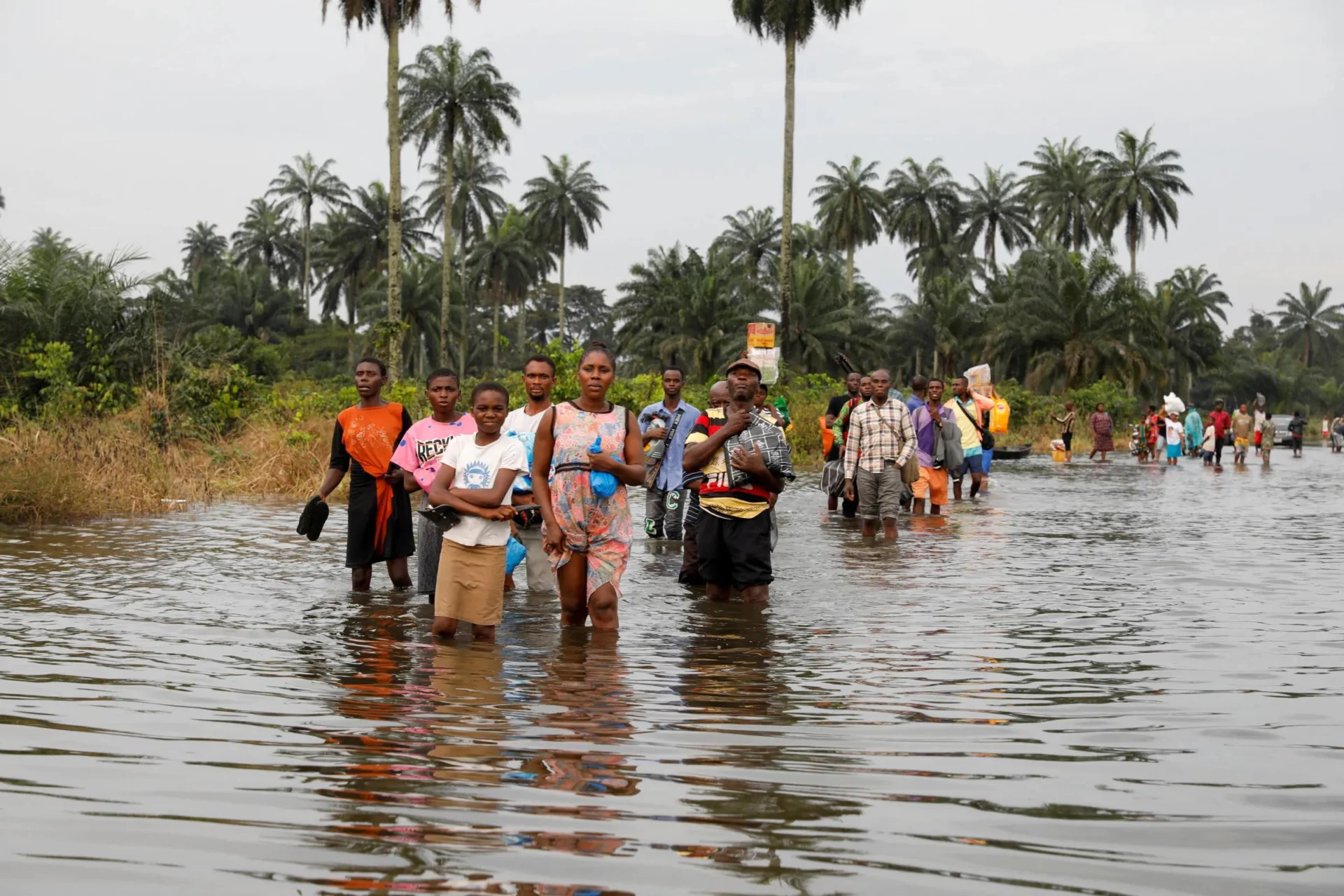
Nigeria is experiencing several environmental pressures at once.
The UNDP’s work on climate change and environment in Nigeria highlights the importance of natural-resource management, climate adaptation and disaster resilience.
That makes reliable local information especially important.
National statistics can show broad trends, but community research can reveal how those trends affect households, businesses and vulnerable groups.
For example, research can help identify how flooding affects small businesses or how extreme heat changes people’s daily routines.
Why social research matters

Climate change and environmental degradation cannot be understood through environmental data alone.
Researchers also need to understand people’s experiences.
How are households adapting?
Which communities are most exposed?
What happens to income after an environmental shock?
Are climate programmes reaching the people they are designed to support?
Insight & Social’s article on Social Research: 7 Powerful Reasons It Shapes Everyday Life and Drives Positive Change explains how social research can uncover the human realities behind major development challenges, including climate change.
This is where environmental research and social research meet.
Good environmental data can show what is changing.
Social research can help explain how people are experiencing that change.
Conclusion
The effects of climate change and environmental degradation are visible in extreme weather, water pressure, food systems, urban heat and damaged ecosystems.
For Africa, understanding these changes requires more than global statistics.
It requires local evidence and community voices.
As climate risks continue to evolve, reliable social research can help organisations understand vulnerability, measure impact and design responses around real community needs.
The environment is changing. Are we listening closely enough to the people living through it?