

Human trafficking, what if victim is not someone desperately searching for a way out, but someone searching for a better opportunity?
That question is becoming harder to ignore.
Human trafficking is evolving. Recruitment no longer always begins with a stranger approaching someone on the street or a criminal network operating openly in a community. Today, the first step can look surprisingly ordinary: a job advertisement, a social media message, an offer to travel, a business opportunity, or a promise of a better life.
For someone facing unemployment, financial pressure or limited opportunities, that offer may not look dangerous. It may look like the opportunity they have been waiting for.
The recent rescue of two Colombian women from a suspected trafficking network in Lagos is another reminder that human trafficking does not fit neatly into one nationality, one location or one recruitment method. Trafficking networks can cross borders, exploit technology and adapt their approach to changing economic and social realities.
And that creates a major challenge for human trafficking prevention.
How Human Trafficking Recruitment Is Changing

The digital world has created new ways for people to connect, find jobs, make money and travel. Unfortunately, it has also created new opportunities for traffickers to find and manipulate people.
A recruiter may present themselves as an employer. A social media account may appear legitimate. A travel opportunity may come with attractive promises. A stranger may spend weeks building trust before making an offer.
Some victims may even believe they are making a completely informed decision.
This is one of the most important things to understand about human trafficking: vulnerability does not always look like vulnerability.
Someone may have a phone, access to social media, an education and a job. Yet unemployment, financial hardship, family responsibilities, migration aspirations, limited information or the pressure to improve their circumstances can make a seemingly attractive opportunity difficult to reject.
The question, therefore, is not simply, “Why did they accept the offer?”
It is:
What made the offer believable in the first place?
7 Ways Traffickers Can Exploit Opportunity and Trust

1. Fake job opportunities
A job offer can be a powerful recruitment tool, particularly where unemployment is high and people are actively looking for work.
Advertisements promising high salaries, overseas employment, accommodation or quick recruitment can attract people who may not have the resources or information to verify the opportunity.
2. Social media recruitment
Social media has made it easier to reach potential victims directly.
Recruitment can begin through a message, a comment, a professional-looking profile or an online relationship. Because the interaction happens through a familiar platform, people may feel a level of trust before they fully understand who is behind the account.
3. Promises of travel and migration
For people hoping to study, work or build a new life abroad, an offer to facilitate travel can be highly attractive.
Traffickers can exploit migration aspirations by promising employment, visas, accommodation or financial support, while concealing the conditions that await the person after arrival.
4. Financial desperation
Economic vulnerability can significantly influence decision-making.
When someone is struggling to meet basic needs or support their family, a risky opportunity may appear more acceptable than it would under different circumstances.
Understanding this is essential for effective trafficking prevention. Awareness alone may not be enough if the underlying economic pressures remain unaddressed.
5. False relationships and emotional manipulation
Not every recruiter behaves like a recruiter.
Some may build friendships or romantic relationships before introducing an opportunity. Trust can be established gradually, making it harder for the individual to recognize manipulation.
6. Recruitment into forced criminality
Human trafficking is also increasingly connected to forced criminality, where victims are exploited and compelled to participate in criminal activities.
The issue has gained particular attention as trafficking networks exploit people through scam operations and other forms of organized online crime.
This changes how we think about victims. Someone involved in a criminal operation may themselves be experiencing exploitation.
7. Offers that simply seem too good to refuse
Sometimes, the warning sign is not one dramatic red flag.
It is a combination of small inconsistencies: pressure to decide quickly, vague job details, requests for money, unusual travel arrangements, secrecy or promises that are difficult to verify.
Understanding which warning signs people recognize and which ones they overlook is critical to strengthening prevention efforts.
What Makes People Trust These Opportunities?

This is where the conversation around human trafficking needs to go deeper.
Telling people to “be careful online” is useful, but it does not explain why someone may trust an opportunity in the first place.
Researchers need to understand the decisions behind that trust.
What economic pressures make an offer attractive?
What information do people look for before accepting a job or travel opportunity?
Who influences their decisions?
Do people know how to verify an employer?
What trafficking warning signs do they recognize?
Which ones are dismissed because the opportunity appears too valuable to lose?
And when exploitation occurs, what determines whether a survivor reports it, seeks support or remains silent?
These are questions that arrest figures and trafficking statistics alone cannot answer.
They require us to understand people, perceptions, choices, behaviors and vulnerabilities.
Why Social Research Matters in Human Trafficking Prevention
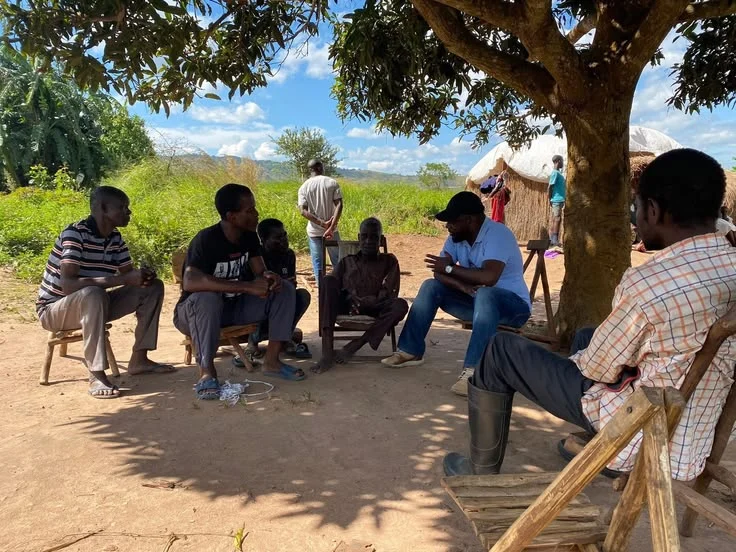
Effective human trafficking prevention begins with understanding the communities and people most likely to be affected.
At Insight & Social, we use social research to help organizations understand the realities behind complex social issues. Through qualitative and quantitative research, community-level studies, stakeholder engagement and Monitoring & Evaluation, we help turn lived experiences and social data into evidence that can inform better decisions.
For human trafficking research, this can include identifying:
- Vulnerable populations and emerging recruitment patterns
- Perceptions of employment, migration and online opportunities
- Knowledge of trafficking risks and warning signs
- Barriers to reporting and accessing support services
- The experiences, needs and priorities of survivors
- Community attitudes toward trafficking and exploitation
- Gaps in awareness and prevention programs
- The reach and effectiveness of anti-trafficking interventions
- Whether programs are reaching the people they were designed to protect
This evidence can help governments, NGOs, development organizations, humanitarian agencies and other stakeholders design trafficking prevention programs that respond to actual community realities rather than assumptions.
Awareness Is Important. Evidence Makes It Stronger.
A campaign can tell people not to trust suspicious job offers.
But research can tell you which job offers people consider trustworthy and why.
A program can encourage survivors to report trafficking.
But research can help uncover why some survivors do not report, who they trust and what prevents them from seeking help.
An intervention can target vulnerable groups.
But Monitoring & Evaluation can help determine whether the intervention is actually reaching them and making a difference.
That distinction matters.
Human trafficking prevention cannot rely solely on awareness campaigns, enforcement or statistics. These are important parts of the response, but they need to be supported by a deeper understanding of human behavior and social conditions.
Traffickers Adapt. Research Must Too.

Technology will continue to change.
Recruitment strategies will change with it.
The platforms may change. The language may change. The promises may change. Even the way victims are identified and approached can change.
What should not change is our commitment to understanding what is happening beneath the surface.
The fight against human trafficking needs enforcement.
It needs survivor support.
It needs stronger prevention.
But it also needs evidence, listening and research.
Because if we want to prevent trafficking, we must understand not only how traffickers operate, but also why their approaches work, who is most vulnerable, what communities believe and where existing interventions fall short.
At Insight & Social, we help organizations turn social realities into actionable evidence. Through research and Monitoring & Evaluation, we help uncover the realities behind complex social issues so that interventions can be better targeted, more responsive and more effective.
Understanding the problem is the first step toward designing a better response.
And when it comes to human trafficking, better understanding can help us move from reacting to exploitation to preventing it.
