


IRB in Africa is a critical consideration for organizations that undertake market research, social research, public health studies, and development evaluations involving people. An Institutional Review Board provides guidance on research design and implementation that upholds participants’ rights, protects their welfare, and mitigates ethical risks.
Academic and commercial entities conduct studies among children, rural households, health workers, displaced communities, consumers, and vulnerable groups. Such insights help improve business strategies, government policies, and development interventions. However, getting reliable information raises ethical issues related to consent, confidentiality, safety, and regulatory approvals.
Ethical review ensures that proposals contain appropriate approvals from relevant institutional review boards or research ethics committees. For organizations initiating, supporting, or regulating research, understanding IRB in Africa and other ethical review policies facilitate effective project planning and execution.
IRB in Africa: Understanding Research Ethics Committees

An Institutional Review Board (IRB) is an independent entity that evaluates proposed research studies and ongoing investigational procedures to determine whether their designs and implementations adhere to ethical principles and standards. The board conducts reviews of the study’s objective, methodology, recruitment strategy, informed consent procedure, risks and mitigations, and confidentiality measures.
Depending on the country and organization, an IRB may also be called the Research Ethics Committee (REC) or Ethics Review Committee (ERC). While many institutions use different names, the entities have similar mandates to ensure that proposed studies meet ethical standards.
According to the World Health Organization, ethical review is necessary to respect participants’ dignity and promote their rights and welfare.
Not all research requires ethical review or approval. Most commercial studies, such as generic consumer surveys, have fewer ethical concerns compared to health studies, clinical trials, and research involving sensitive information and vulnerable populations. Therefore, the level of ethical oversight depends on the study’s scope, design, risks, regulatory requirements, and funders’ conditions.
Researchers must conduct preliminary analyses to determine whether their proposals need IRB or REC approval.
Ensuring the Rights, Dignity, and Welfare of Study Participants
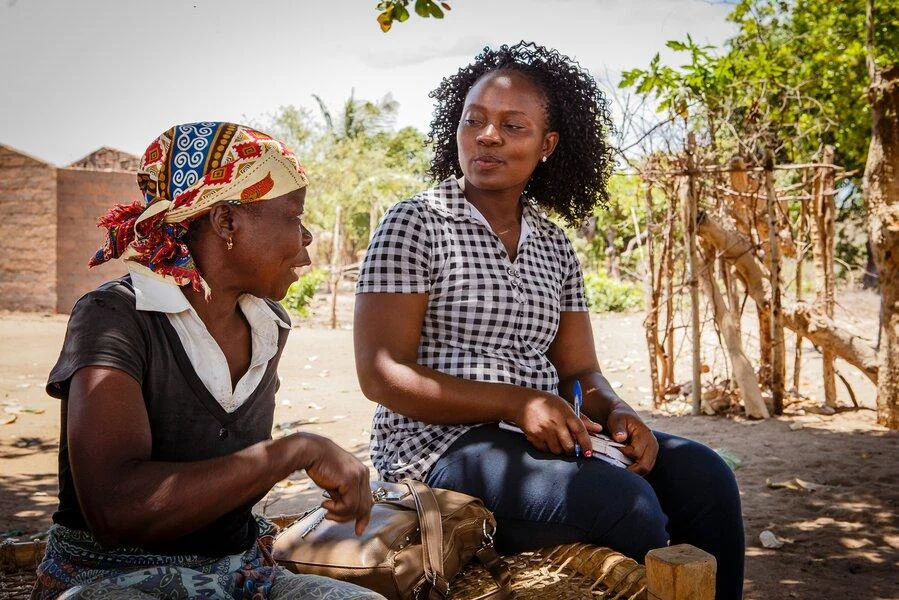
The primary purpose of ethical review is to ensure that research participants’ rights, dignity, and welfare are protected. Therefore, it is essential to design studies that do not expose participants to unacceptable risks and allow them to make autonomous decisions regarding their involvement. Informed consent is a vital ethical principle that should be applied in all research undertakings. Generally, it is advisable to develop informative documents that the subjects can read and understand.
Researchers must provide adequate information and clarify any questions that the participants may ask before requesting their consent to proceed with the study. The subjects should understand the research’s purpose, their role, and the confidentiality terms. In addition, they should be aware that their participation is voluntary, and they can withdraw from the study at any time. Where possible, researchers should refrain from pressuring participants to provide oral or written approval and ensure that their answers are not misconstrued.
Studies involving vulnerable groups require ethical review and additional safeguards. Where appropriate, researchers should get the legal guardians’ consent and ensure that the children give assent. Where possible, they should conduct interviews in isolation to guarantee the participants’ privacy and minimize the risk of harm. The safeguards should include appropriate actions, such as disclosing sensitive information and responding to the participants’ distress.
Furthermore, research teams must uphold participants’ privacy and confidentiality by limiting the scope of information collected and ensuring that only essential data is shared. Investigators should develop appropriate storage, retrieval, disclosure, and retention policies and limit access to confidential information. For sensitive studies, it is advisable to conduct interviews in private and protect respondents’ identities.
Generally, ethical review prevents researchers from subjecting participants to unacceptable risks, such as exploitation, psychological discomfort, and physical harm.
Enhancing Research Quality and Integrity
Research ethics enhances the quality and credibility of findings by enabling researchers to build trust with prospective participants. For instance, studies that utilize informed consent have higher chances of enrolling respondents than those that do not involve the subjects in the approval process. In addition, ethical review assists investigators in designing reliable research undertakings, which builds public confidence in the research sector.
When considering submitting a research proposal for ethical review, it is essential to remember that the IRB will evaluate the study’s methodology, recruitment strategy, data collection procedures, and analysis plan. The reviewers assess whether the proposed interventions are feasible and will not subject participants to undue harm. Some ethical principles, such as informed consent and privacy, are integral to all research undertakings and should always be considered.
Researchers should use appropriate sampling techniques when recruiting study participants. The selection strategy and procedures for obtaining informed consent must be simple, accessible, and easy to implement. Focus group discussions require moderators to develop ground rules and remind participants that they cannot compel others to share information they are not comfortable disclosing. When conducting telephone interviews, investigators should state their names and organizations, introduce the study’s purpose, and request the respondents’ consent to proceed.
Moreover, research integrity is a fundamental ethical principle that demands that researchers avoid fabricating information, falsifying findings, and misrepresenting results. Supervisors can enhance research integrity by frequently visiting fieldworkers, reviewing collected data, and taking disciplinary action when necessary. For clients, funders, and collaborating entities, research ethics demonstrates a researcher’s commitment to completing the project with honesty and accuracy.
For instance, an ethical review process ensures that the study procedures are well-designed, and investigators have the necessary skills to execute the project successfully. In addition, it confirms that the findings will be reported accurately, without omitting undesirable results or misinterpreting the collected information.
Complying With National Research Ethics Regulations and Approvals
Research ethics requirements differ across African countries. Specific studies require approval from institutional review boards and ethics committees, while others mandate research permits, regulatory clearances, or verifications from relevant agencies. For instance, the National Health Research Ethics Committee (NHREC) oversees ethical reviews of health-related studies in Nigeria.
Researchers must identify the appropriate national regulations, policies, and competent ethics review bodies that will assess their proposals. In addition, they must understand whether their studies require research permits, approvals, or authorizations from government agencies and institutions.
The ethical review process is distinct from research permits and data protection regulations. Therefore, researchers must determine which bodies to engage and the requirements to fulfil when submitting a research application or protocol.
For organizations conducting multinational studies, ethical review procedures and requirements vary across countries. For instance, a research study conducted in multiple African nations requires ethics approval in each country, although the processes and documentation might differ slightly. A research organization should always clarify whether studies conducted at a university require ethical review in the country where the entity is based. In addition, researchers must be mindful of the fact that ethical approval from a private company might not be sufficient in another nation. In short, researchers cannot assume that one ethics review or approval process fulfils all requirements, even when working with the same organization.
Failing to apply for the appropriate approvals can cause delays, hinder fieldwork, and raise questions about the research’s validity. Therefore, organizations must evaluate the requirements and document the relevant procedures to help planning and budgeting.
IRB in Africa: Ethical Review for Different Research Methods
Depending on the study’s objectives and design, different research methods require ethical review by appropriate bodies.
Face-to-face surveys: Household and community surveys must utilize appropriate consent procedures and ensure that the recruitment process and questionnaires do not expose respondents to unacceptable risks.
CATI: When conducting telephone surveys, researchers must state their organization’s name and the study’s purpose while respecting the respondents’ decisions. Surveys also require confidentiality and privacy, especially when the research involves sensitive topics. Therefore, investigators must ensure that the participants’ numbers are not misused and that their responses are not disclosed to third parties.
Focus group discussions: Focus group discussions involve recruiting participants using appropriate procedures and explaining the limitations of confidentiality. In addition, moderators must ensure that the group members do not force other respondents to share private information.
In-depth interviews and key informant interviews: Interviewers should inform the respondents of their confidentiality options and consider their concerns when discussing sensitive topics. For instance, researchers must ensure that professionals are not identified by their titles and refrain from asking probing questions about specific subjects.
Online studies: Organizations must develop appropriate consent procedures, data storage policies, and other safeguards for online surveys. In addition, they must consider the ethical implications of collecting and storing participants’ digital footprints, such as device identifiers and location data.
Most commercial surveys do not require formal ethical review. However, researchers must consult relevant guidelines and regulations to determine whether their proposals need ethical oversight. Conducting a study using CATI does not exempt a survey from ethical principles and guidelines. In addition, while the online methodology might seem convenient, it is essential to consider the ethical implications of collecting respondents’ electronic data.
Why IRB in Africa Matters in Social and Development Research
Social and development research encompasses a wide range of studies, including those related to social cohesion, gender-based violence, education, livelihoods, humanitarian assistance, and health. Such investigations require ethical safeguards to ensure that the research process and outcomes do not expose participants to unacceptable risks.
For instance, public health and epidemiological studies often involve collecting sensitive information from respondents regarding their medical history and behaviors. Therefore, such studies require ethical review to ensure that the confidentiality procedures and data security measures are adequate, and the recruitment process is appropriate for the target population. Research on gender-based violence requires investigators to implement confidentiality safeguards and take ethical considerations, such as ensuring that a respondent is not further harassed after revealing personal experiences. Humanitarian research among displaced populations and vulnerable groups should also consider ethical issues, such as not creating unrealistic expectations that the researchers can provide direct assistance beyond the study’s scope.
Social research often involves children, such as in education and child protection studies, and requires appropriate ethical considerations. Researchers must use informed consent documents suitable for minors and implement safeguards for child respondents, such as ensuring that interviews take place in isolation. Livelihoods research often involves discussing sensitive topics, such as the respondents’ income, and should consider the risks that such information could expose the subjects to.
Monitoring and evaluation assignments present ethical considerations, such as ensuring that the evaluation process does not undermine the intended program’s objectives. For instance, when evaluating a development intervention, the M&E team must ensure that services are accessible to the target population throughout the study period. In addition, the M&E staff should facilitate free expression of opinions to ensure that the stakeholders feel comfortable providing feedback. When submitting critical remarks about the implemented program, evaluators must consider the consequences to the affected parties and take a responsible approach when delivering the findings.
Ethical Approval for International Research in Africa
International research ethics guidelines and requirements apply to many organizations. Donors, universities, and implementing entities often set specific research ethics requirements and review processes for studies conducted in low- and middle-income countries. For instance, university research reviews might mean that a university-based evaluator submits the required protocols for ethical review. In addition, a donor might require that projects have ethical approval from a locally mandated review board before initiating fieldwork procedures.
Researchers must understand that international IRB approval does not override national regulations or institutional requirements. In addition, organizations must consult the appropriate guidelines while designing their research proposals, budgets, and ethical review applications.
As a research organization, it is essential to identify the relevant requirements and document the policies and procedures for fulfilling them. For instance, a university-based evaluation conducted by an external research firm might require both entities’ ethical review. In addition to university approval, the study might also require local government clearance. Understanding the requirements helps a research organization plan the submission, review, and approval timeline and budget accordingly. It is also advisable to request the appropriate documentation, such as the research protocol, participant consent form, informed assent documentation, recruitment strategy, and data protection regulations, to ensure that the project adheres to the set standards.
Challenges of Getting Ethical Approvals in Africa
Organizations conducting research in multiple countries encounter numerous difficulties when seeking ethics approvals. For instance, each nation has different application procedures, documentation requirements, administrative fees, and review timelines. Therefore, researchers must develop appropriate informed consent documents, recruitment strategies, and study protocols that are suitable for the targeted populations.
Multi-country studies are often more complex and time-consuming, especially when the nations have varying approval and permit requirements. In addition, the study’s commencement is dependent on a country’s ethical review, which can delay the entire fieldwork if one nation takes a long time to evaluate a proposal.
Best Practices for Ethical Market Research, Social Research, and M&E Firms
Market research, social research, and monitoring and evaluation organizations can strengthen their ethical review practices by adopting the following best practices:
Conduct a preliminary ethical assessment: Review the study’s objectives, target population, and the sensitivity of the questions to identify ethical concerns.
Determine the appropriate IRB: Based on the research area and funders’ requirements, identify the appropriate ethics review process.
Develop informed consent documentation: Prepare the recruitment procedure, informed consent form, and confidentiality assurances using the appropriate language for the target population.
Train fieldworkers: Ensure that fieldworkers understand the importance of voluntary participation, privacy, and refusal of participation.
Implement confidentiality procedures: Apply appropriate safeguards to protect participants’ data and information.
Maintain electronic and physical records: Store the approval letters, permitted exemption requests, and other relevant information.
Monitor the fieldwork: Where possible, conduct frequent field audits to ensure that the study adheres to the initial design and ethical principles.
Such steps will help ensure that the fieldwork procedures are practical and that the researchers understand their role in conducting ethical research.
Conclusion: The Importance of IRB to Businesses and Research Organizations in Africa
IRB in Africa is a crucial consideration for organizations that conduct research and evaluation studies among the general population, vulnerable groups, and other targeted populations. With the appropriate ethical oversight, businesses and research institutions can protect study participants’ rights and welfare while meeting the high-level requirements of clients, communities, and funders.
Although the requirements and procedures might differ for each country and study, all researchers must understand the importance of ethical review. In addition, research organizations must ensure that they utilize the appropriate ethics review and approval processes for all their projects. As a commercial research entity, Insight & Social conducts social research, and M&E assignments that require ethical review and approval. We prioritize responsible research practices that support its efforts to deliver high-quality insights to its clients while upholding the dignity and welfare of its study participants.