
Research Ethics in Africa
Type of IRBs in Africa help you determine the right review process and secure the appropriate approval for your research. Institutional Review Boards (IRB), Research Ethics Committees (REC) and Ethics Review Committees (ERC) help to ensure your research proposals have safeguarded the rights, welfare, privacy and safety of the participants.
There isn’t a single ethics approval body for the whole of Africa. Each country will have its own system and regulations in place. Universities, hospitals, research institutes and government bodies can also have their own committees. It will depend on the type of research you are carrying out, the discipline, design, participants and risk.
Whilst the terms IRB, REC and ERC are often used interchangeably they may not carry the same authority. Some will deal with health research, whilst others deal with social science, behavioral or multi-disciplinary research.
In addition, it is important to know what level of review your committee will carry out. For example, a university committee may require full committee review or an eligible expedited review. This guide on the types of IRBs in Africa will help you to the correct approval process for your research.
Types of IRBs in Africa National Research Ethics Committees
National Research Ethics Committees sits under your country’s research governance. They may provide ethical standards, review specific types of research, govern institutional committees or co-ordinate nationally.
You may need national ethics approval for certain types of research. This could include research involving specific health interventions, clinical trials, sensitive groups of participants or research carried out under specific national programs. Some countries will allow recognized/accredited institutional committees to review your protocol.
University & Academic IRBs in Africa
Check whether you will need to get national approval and if they will review your protocol.
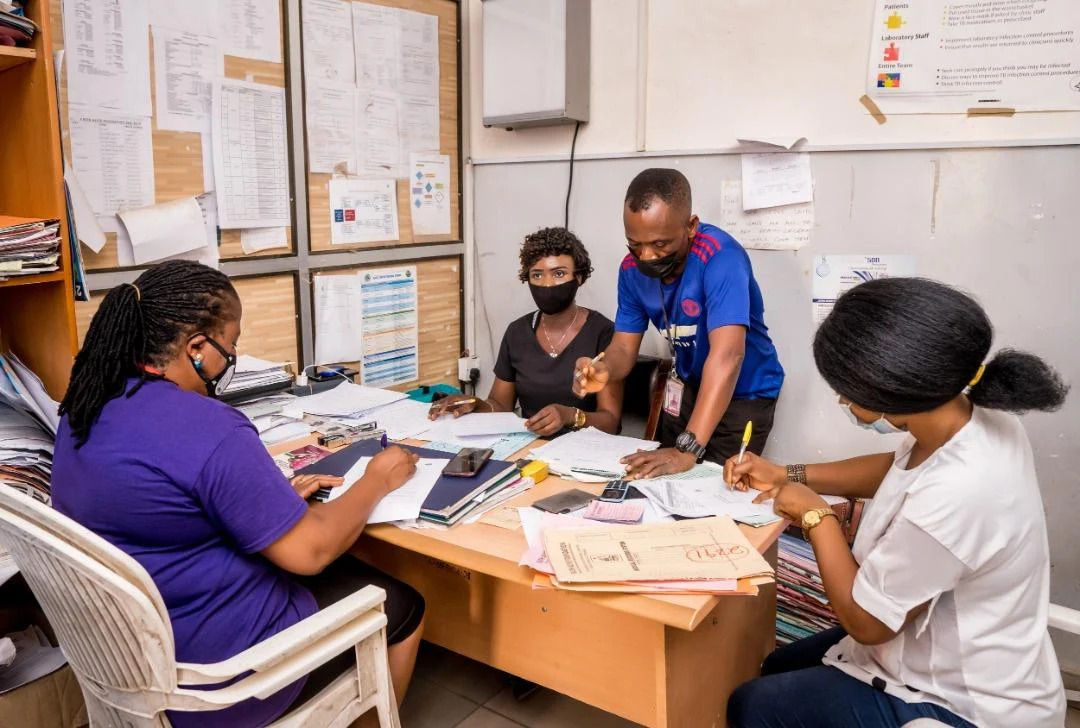
University and Academic type of IRBs in Africa reviews research from lecturers, students, postgraduate researchers and those affiliated. They may deal with public health, sociology, psychology, economics, education, political science and other areas of research involving humans.
If you are conducting market or social research, your academic committee may review your interviews, focus groups, online questionnaires, community research and behavioral research. If you are carrying out research with external sponsorship or for commercial bodies, then this may be covered.
Before you apply, check if they accept external applications and whether the research you are carrying out falls under their authority. You may still need national regulator, local institution or other organization approvals.
Hospital & Medical Research Ethics Committees
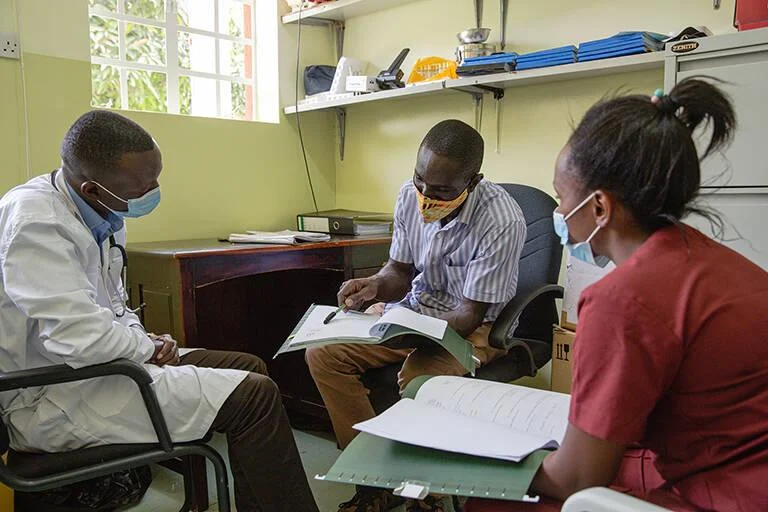
Hospital and Medical Research Ethics Committees will review research that involves patients, healthcare professionals, medical records and clinical procedures.
They may review clinical research, how participants will be recruited from a healthcare environment, how the researchers will protect patient confidential information and interviews with healthcare professionals.
You should understand the difference between having permission to enter a hospital and ethics approval. Whilst the hospital may give you permission to enter, you may require an ethics approval. This will depend on the national regulations and policies in place.
Public Health & Biomedical Ethics Committees
Public Health and Biomedical Ethics Committees will review research that involves public health, epidemiology, disease prevention, health systems and biomedical research. They may sit within a public health institute, medical research body or other authorized body.
You may be conducting research that falls under this category such as maternal & child health, vaccination, disease monitoring, community health and healthcare program evaluation.
Depending on your research design, you may require a review. A survey looking at general healthcare access may have different ethical issues compared to research involving biological samples, identifiable medical records or an intervention that may impact on participants.
You should outline how participants will be recruited, how risks will be managed and how sensitive health information will be protected.
Social Science & Behavioral Ethics Committees
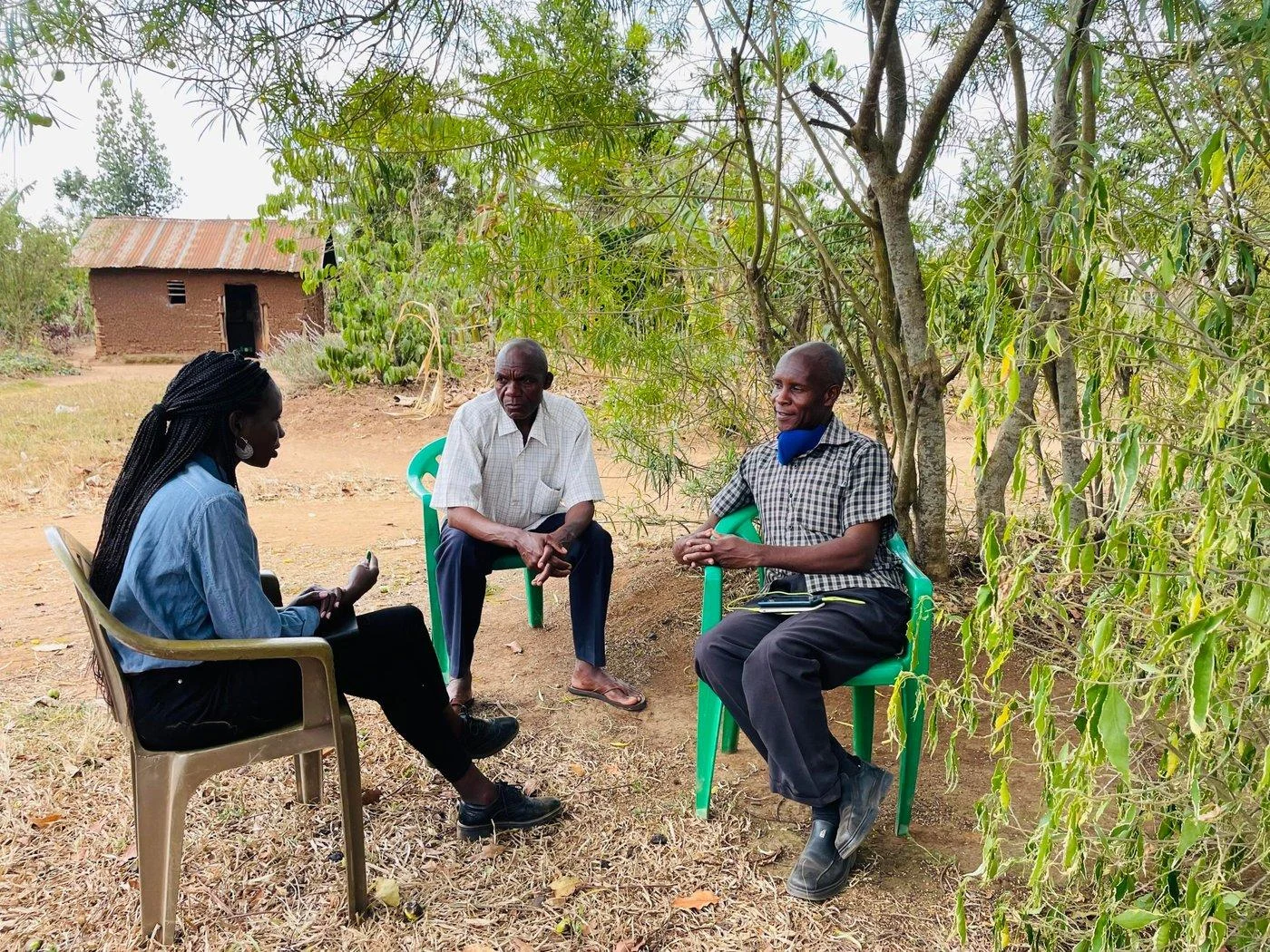
Social Science and Behavioral Ethics Committees will review research looking at human behaviors, relationships, attitudes, experiences and community factors.
This could include research into poverty, governance, public opinions, education, consumer behaviors, workplace experiences and community development.
Market research may involve interviews looking at general product preferences. If you are researching financial hardship, discrimination, domestic abuse or other sensitive topics then there may be different risks involved. Consider the questions being asked, what group of participants you are using and what could happen if information was disclosed.
To get ethical clearance for social research, ensure the relevant institution has a committee for social and behavioral research. Some may cover multiple disciplines.
Government & Sector Specific Bodies
Some government bodies, public bodies and sector specific research bodies may require permission for you to gain access to their facilities, records, staff or program beneficiaries.
For example, if you are carrying out education research then you may need permission from the relevant education bodies and schools. If you are carrying out research on a government healthcare program, then you may need permission from the relevant body.
Permission and ethics approval are different. Permission is to ensure you carry out your activities within the institution or program. Ethics approval ensures your research has safeguarded the participants.
Ensure you know what you will need for your research to avoid delays once you have set up your fieldwork.
Independent Ethics Committees
Independent ethics committees will review your research on behalf of a sponsor, researcher or institution. They will only be able to do this if they are recognized within the relevant regulatory framework.
You may want to consider using an independent ethics committee if you are carrying out privately funded research, commercial research or if you don’t have the right committee available. However, you should ensure they are recognized to approve the relevant type of research in the country.
Before choosing an independent committee, ensure they are recognized, have the correct remit, are accredited/registered and recognized by the relevant national body. You may also need extra local review or permission.
International Ethics Committees
If you are carrying out international research then you may have an ethics committee at your sponsor’s university, research body abroad or funding body. They may review the protocol from the institutional or regulatory perspective of the sponsor.
However, just because you have permission from an ethics committee abroad doesn’t mean you will be able to carry out research in an African country. You may still need to go through local ethical review, research licensing, institutional permission or other regulations.
If you are carrying out multi-site research, then ensure you understand what is required from each country and institution. Ensure you know who will be submitting the applications, how changes to your protocol will be communicated and who will be overseeing the activities.
Special Safeguarding Requirements
Some research will require extra safeguarding. This may be due to the participants, topic or research environment. This could include research with children/adolescents, gender-based violence, exploitation, harassment, displacement, humanitarian crises or sensitive personal information.
The ethics committee may require extra confidentiality, careful consent processes, appropriate referrals or safeguarding plans. You should consider if the participants could be at risk of stigma, retribution or other issues.
Having specialist safeguarding processes doesn’t mean you won’t need ethics approval. Ensure you know what review processes are needed and explain how you will prevent/minimize risks.
Community Advisory Boards

A community advisory board, local leaders or other community-based processes can help you understand what is important to the community. This can help improve communication and ensure the research processes are suitable.
This may be useful if you are carrying out research with a rural community, public health program or group that is often overlooked.
However, just because a community leader agrees to your research doesn’t mean you won’t need informed consent from eligible participants. You may also need ethics approval.
Ensure you understand how you will engage with the community and that individuals can opt out.
Examples of Country
Below are some examples of what research ethics committees you may encounter in different countries in Africa. This is to give an idea of what you may encounter but should not replace seeking regulatory advice.
Nigeria – The National Health Research Ethics Committee (NHREC) provides national oversight for health research ethics. They have information regarding registered ethics committees. Check to see what authority the relevant committee have and what additional requirements apply. NHREC – Health Ethics
Ghana – The Ghana Health Service Ethics Review Committee will review health research protocols. There may also be institutional committees.
Kenya – The National Commission for Science, Technology and Innovation (NACOSTI) provides oversight for a system with accredited Institutional Scientific and Ethics Review Committees (ISERC).
Uganda – The Uganda National Council for Science and Technology (UNCST) have information regarding accredited research ethics committees. They also publish guidance for national human participant research.
South Africa – The National Health Research Ethics Council (NHREC) have a registration system for research ethics committees. They also have information regarding registered committees.
Ethiopia – There are institutional review boards and national review processes. The Ethiopian Public Health Institute have an institutional review board for health and nutrition research. They have guidance on submitting research.
Rwanda – Contact the Rwanda National Ethics Committee and relevant bodies to see what reviews and permissions are required.
Requirements may change so ensure you contact the relevant bodies to understand what the current requirements are, what committees are recognized, what application processes are required and what licensing is needed.
Requirements may change so ensure you contact the relevant bodies to understand what the current requirements are, what committees are recognized, what application processes are required and what licensing is needed.
Choosing the Right Types of IRBs in Africa for Your Study
Understanding your research will help you choose the right committee. Before applying consider:
What is your research about? Is it health, clinical, social, behavioral, education or commercial?
Who will be your participant? Are they children, patients, vulnerable groups or talking about sensitive experiences?
What risks could occur? Physical, emotional, social, financial or privacy risks.
What committee have authority? What is their jurisdiction, are they recognized and what will they review?
What permissions are needed? National approvals, research licensing, institutional access and site permissions.
How much time will this take? How long will it take to put your application together, attend committee meetings, make changes and get extra permissions.
This will help you choose the right approval process and ensure it fits within your project timeline.
Navigating Diverse Review Systems
The different types of IRBs in Africa will depend on the variety of research institutions, regulations and disciplines. You may need a national committee, university IRB, hospital committee, public health body or an independent review body.
As a market or social researcher, you should ensure you have the right committee with the correct authority. Understand what risks your research may cause and ensure you have all the approvals. Local consultation, institutional permission and informed consent should also be considered.
By thinking about these requirements at the planning stage, you can ensure your research organization will create a thorough application. This will help avoid any unnecessary delays.
Types of IRBs Processes
| Review process | Typical application |
| Full committee review | Studies requiring review by a convened committee, often because of higher risks or complex ethical issues |
| Expedited review | Eligible studies reviewed through a designated reviewer under the committee’s rules |
| Exemption determination | A formal decision that a study meets applicable exemption criteria, where such a process exists |
| Continuing review | Ongoing oversight where required by the applicable rules or approval conditions |
| Amendment review | Assessment of proposed changes to an approved research protocol |
| Multisite or collaborative review | Review arrangements for studies involving multiple locations, institutions or collaborating organizations |
Researchers should never assume that a study is exempt or eligible for expedited review simply because it uses interviews or questionnaires. The relevant committee or authority must determine the appropriate route.
How Insight & Social Supports Research Ethics and Fieldwork
Insight & Social can help you with research, monitoring and evaluation projects. We can help with research projects focusing on understanding people’s experiences, the needs within a community and development outcomes. We can help with projects that include interviews, surveys, focus groups and community engagement.
Planning your research project to be ethical is an important part of any project. If you are researching vulnerable people, sensitive topics or personal details it is important to understand what ethics approval you will need. You should ensure informed consent is obtained where necessary; participants are kept confidential and the research is carried out as per the approved research.
Find out more about our research and monitoring and evaluation service. Services – Insight & Social