
Extreme heat in Nigeria is more than an uncomfortable weather condition. It is a public health and community resilience concern. As temperatures rise, some people face greater risks because of their age, health, work or living conditions.
A Climate Impact Lab analysis has warned of the potential health burden of extreme heat. One reported estimate projects 31,400 additional heat-related deaths in Nigeria between September 2026 and February 2027. This is a projection, not a confirmed death toll.
Here are 7 groups that need particular attention.
1. Outdoor Workers
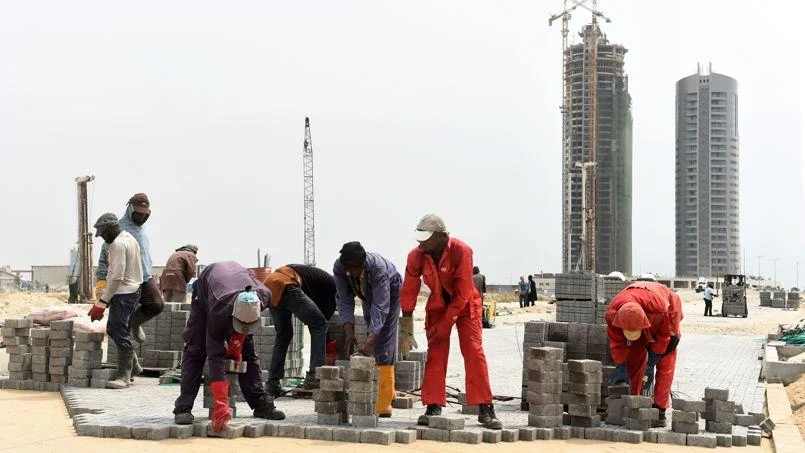
Farmers, construction workers, street traders, transport workers, security guards and other outdoor workers may spend several hours exposed to high temperatures.
For many, avoiding the sun is not a realistic option. Their income depends on being outside, serving customers or completing physical tasks. Taking a break or stopping work during the hottest part of the day may mean losing money they need to support their families.
A 2025 study of outdoor construction workers in Lagos found that all 174 respondents experienced some degree of heat stress. The study also identified considerable exposure to direct sunlight and recommended measures such as shaded rest areas, hydration schedules and structured work breaks.
This shows why protecting outdoor workers requires more than telling them to stay indoors.
Employers, government agencies and development organisations need to consider working conditions, access to drinking water, opportunities to rest and the financial pressures that may prevent people from reducing their exposure.
What needs to change?
Workplaces should provide drinking water, shaded rest areas, appropriate breaks and clear procedures for responding to heat-related illness.
Research can also help organisations understand the challenges workers face and identify practical ways to improve their safety.
2. Older Adults
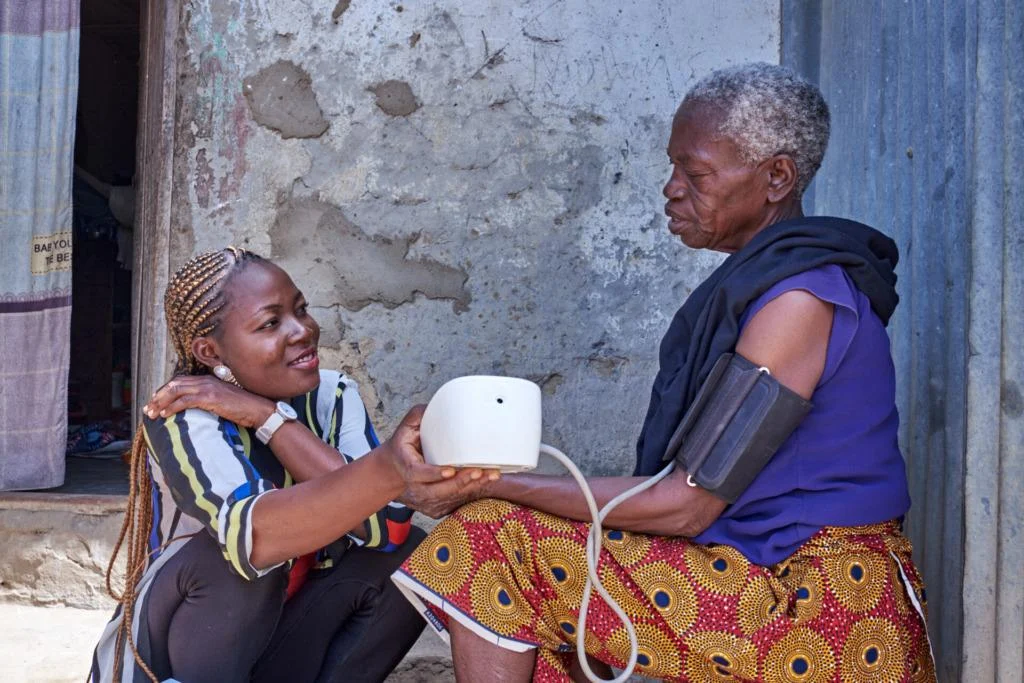
Older adults may be more vulnerable to heat-related illness because the body’s ability to regulate temperature can become less effective with age. Some may also have existing health conditions or take medication that affects their response to heat.
For an older person living alone, the risk may be greater if nobody regularly checks on their well-being.
Access to healthcare, drinking water, suitable housing and reliable information can also influence how well older people cope with extreme temperatures.
What needs to change?
Community health workers, local authorities and social support organisations can help identify older people who may need additional assistance.
Community outreach, regular welfare checks and accessible heat-safety information can help ensure that older residents are not overlooked during periods of extreme heat.
3. Infants and Young Children
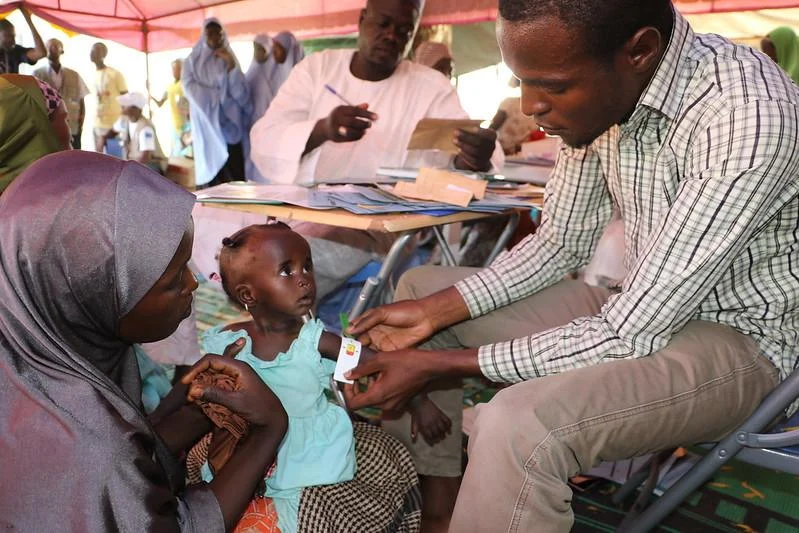
Infants and young children require special attention during periods of extreme heat. Their bodies respond differently to heat than adults, and they depend on caregivers to recognise when something is wrong and provide appropriate care.
Young children may become dehydrated, particularly when they are unwell or exposed to high temperatures without adequate care. Hot classrooms, crowded homes, outdoor activities and unreliable electricity can also increase their exposure.
Caregivers need clear information about keeping children cool, recognising possible signs of dehydration and seeking medical attention when necessary. Schools and childcare centres also need practical measures to reduce children’s exposure during very hot periods.
Public health agencies can help by sharing accessible guidance with parents, teachers and community health workers. This is especially important in communities where access to healthcare, reliable electricity or suitable housing may be limited.
Community-based health programmes can also help families understand how to protect young children and where to seek assistance when heat-related illness is suspected.
4. People Living With Chronic Health Conditions
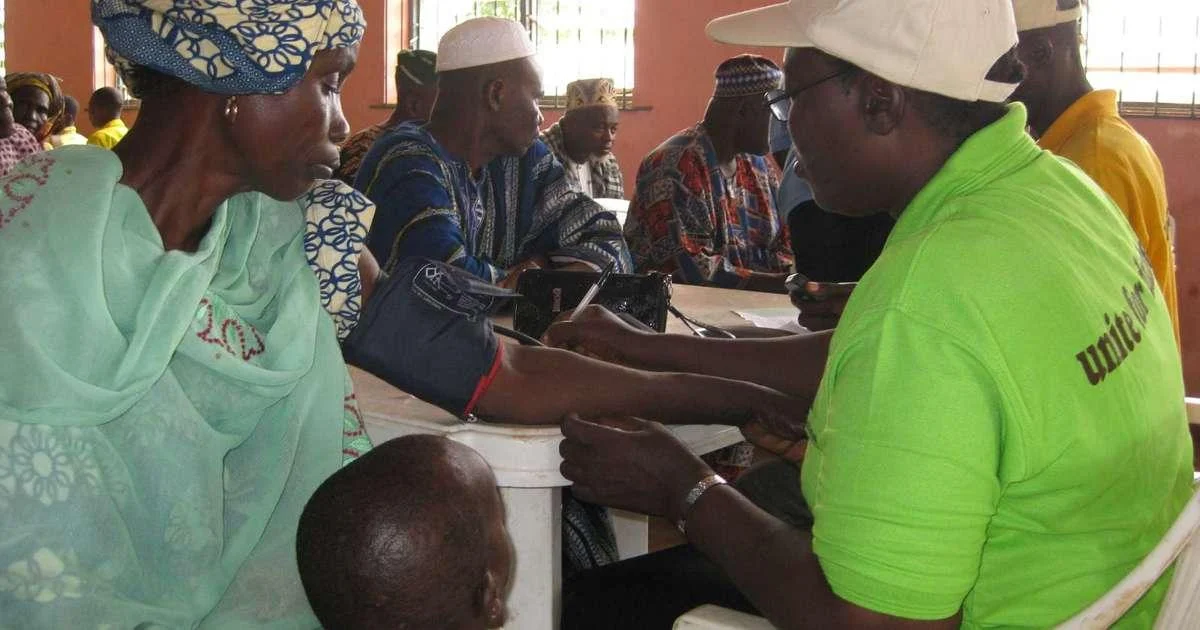
People living with chronic health conditions may face additional risks during extreme heat. Conditions such as heart disease, respiratory illnesses, kidney disease and diabetes can make it harder for the body to cope with high temperatures.
Heat can place additional strain on the cardiovascular system, while dehydration may create further complications for some people with existing medical conditions. Certain medications may also affect sweating, fluid balance or the body’s ability to regulate temperature.
The risks vary depending on the individual’s condition, medication and overall health. People should therefore seek advice from qualified healthcare professionals about managing their specific health needs during periods of extreme heat.
The World Health Organization’s guidance on heat and health explains how high temperatures can affect health and why protective measures are important.
Healthcare providers, public health agencies and community organisations can help by sharing appropriate information and ensuring that people who need medical support know how to access it.
Understanding the needs of people with existing health conditions is also important when designing community health programmes and emergency responses.
5. Low-Income Households
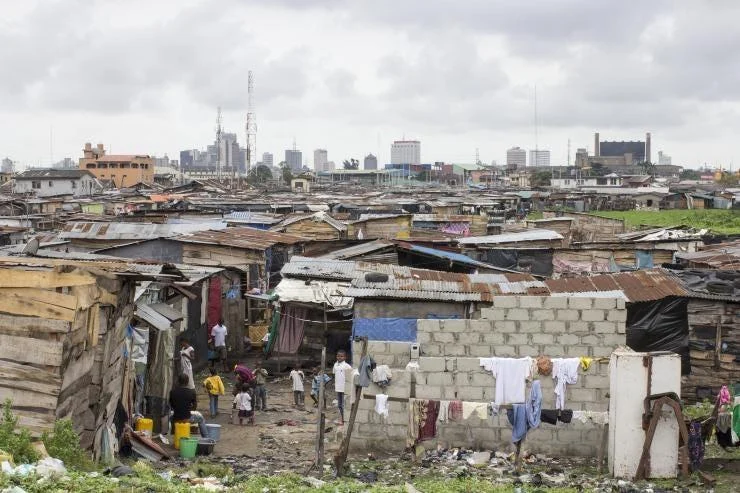
Extreme heat can be more difficult to manage for households with limited financial resources. Access to air conditioning, reliable electricity, well-ventilated housing and sufficient drinking water can influence how safely people cope with high temperatures.
Some households live in crowded buildings that retain heat, while others may be unable to afford fans, electricity bills or improvements that would make their homes cooler.
For people who earn daily wages, staying indoors during the hottest part of the day may also mean losing income. This can make it difficult to follow heat-safety advice, even when people understand the risks.
These challenges are connected to wider environmental and social inequalities. Our article on climate change and environmental degradation discusses related environmental issues that affect communities.
Addressing heat risks in low-income communities requires practical solutions that reflect people’s living conditions. These may include access to drinking water, public cooling spaces, better housing conditions, community information and support for workers whose income depends on outdoor activities.
Social research can help identify which communities face the greatest challenges and what forms of assistance are most useful to them.
6.Pregnant Women
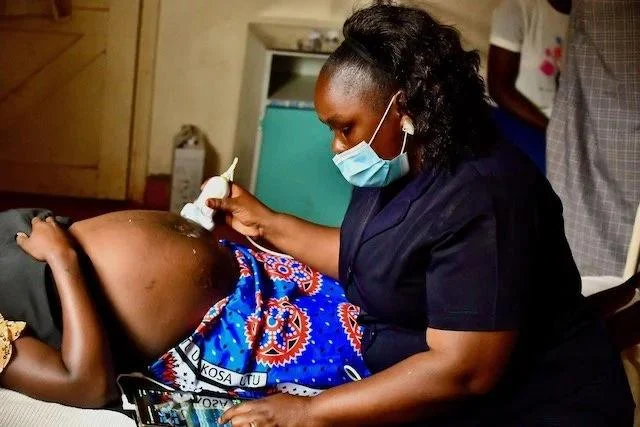
Pregnancy can increase the importance of managing heat exposure carefully. High temperatures can contribute to dehydration and physical discomfort, while prolonged exposure may pose additional health concerns during pregnancy.
The risks can be more difficult to manage for pregnant women who work outdoors, live in hot or poorly ventilated homes, have limited access to drinking water or face challenges attending antenatal appointments.
Access to appropriate healthcare and clear information is therefore important. Pregnant women should receive guidance from qualified healthcare professionals about managing heat exposure and recognising symptoms that require medical attention.
Community health workers and antenatal care providers can help share relevant information and support women who may have difficulty accessing health services.
Practical measures such as drinking water, resting in cooler environments when possible and reducing strenuous activity during very hot periods can help. Individual advice should take account of each woman’s health and circumstances.
7. People With Disabilities and Those Living Alone
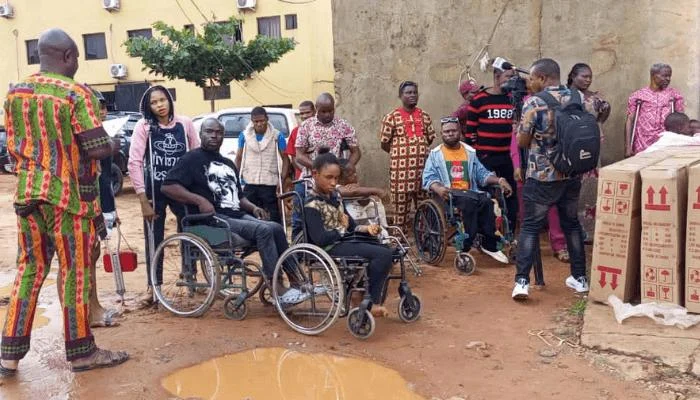
People with disabilities and those living alone may encounter additional barriers when trying to protect themselves during extreme heat. However, their needs and experiences vary, and not everyone in these groups faces the same level of risk.
Some people may need assistance accessing drinking water, reaching a cooler location, attending medical appointments or receiving emergency support. Others may face communication barriers that make public warnings difficult to access or understand.
People who live alone may also have fewer opportunities for someone else to notice when they are becoming unwell.
Heat-safety information should therefore be accessible to people with different disabilities and communication needs. Community organisations and local authorities can also consider how emergency plans will support people who may need assistance.
Local assessments can help identify barriers to healthcare, transport, cooling facilities and emergency information. This makes it easier to plan support around the needs of specific communities rather than assuming that one solution will work for everyone.
Why Identifying These Groups Matters
A national projection of heat-related deaths can draw attention to the scale of a public health concern, but it does not explain the circumstances of every community or household.
People experience heat differently depending on their health, age, occupation, housing, income and access to essential services. These differences matter when governments, NGOs and other organisations plan interventions.
For example, an intervention designed for outdoor workers may not address the needs of older adults living alone. Likewise, a general public awareness campaign may not reach people who have limited access to the internet or cannot easily access the information provided.
This is where research, community engagement and Monitoring and Evaluation become important.
Through Monitoring and Evaluation in Africa, organisations can better understand the importance of assessing programmes in their local context. Similarly, Monitoring and Evaluation for Social Impact Projects explains the role of monitoring and evaluation in assessing whether interventions are meeting their intended objectives.
For heat-related programmes, this could involve identifying vulnerable groups, assessing access to protective services, gathering community feedback and tracking whether interventions are reaching the people who need them.
Conclusion
Extreme heat in Nigeria affects health, livelihoods and access to essential services. Understanding which groups face the greatest risks can help organisations develop more targeted public health and climate-resilience programmes.
At Insight & Social, we support organisations with social research, data collection and Monitoring and Evaluation to help them understand community needs, assess interventions and make evidence-informed decisions.
Planning a public health, climate resilience or community development programme? Visit Insight & Social to learn how we can support your work.